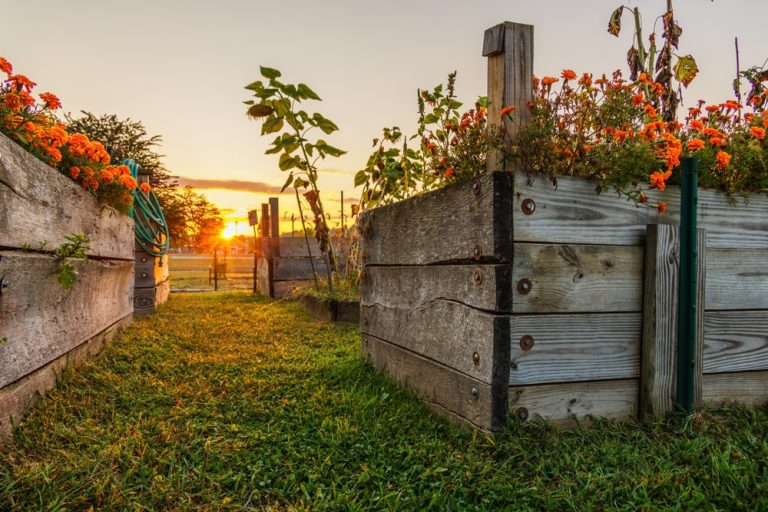
Fall garden cleanup used to mean cutting every perennial to the ground, raking out every leaf, and leaving beds nearly bare before winter. We now know that some of what looks like garden debris is actually valuable shelter for bees, butterflies, moths and other beneficial insects spending winter in our yards. That doesn’t mean you…
garden tips
How to Protect Tender Herbs From Sudden Frost
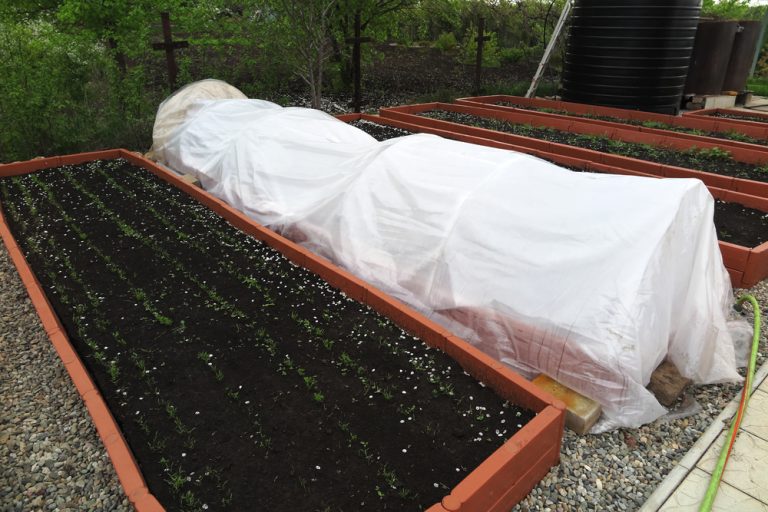
One chilly night can wipe out months of herb growth surprisingly quickly, especially when a warm fall suddenly turns cold. Basil is particularly vulnerable, but container-grown rosemary and other tender herbs may also need help when temperatures tumble. Fortunately, protecting herbs from frost doesn’t require an expensive greenhouse or a cart full of garden supplies….
Cold-Frame Crops That Can Stretch Your Growing Season
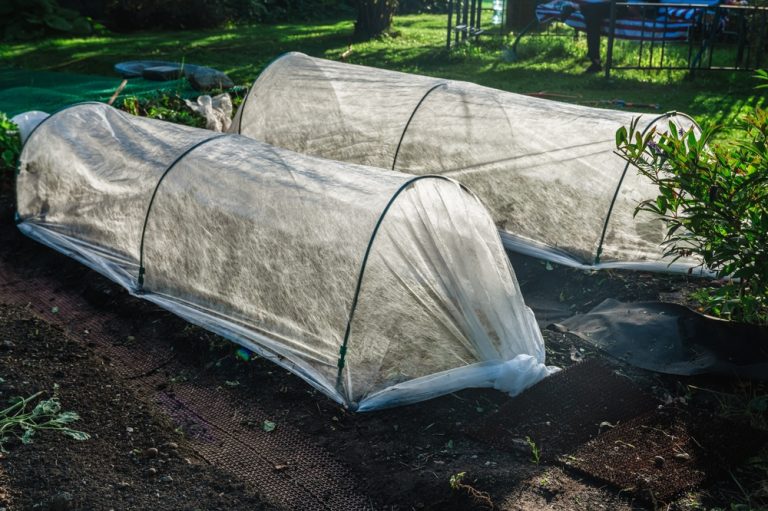
The first frost doesn’t necessarily have to end your vegetable garden, and you don’t need an expensive heated greenhouse to keep harvesting. A simple cold frame—a low, enclosed growing space topped with glass, polycarbonate or another transparent material—captures solar warmth during the day and provides plants with additional protection from cold nights. The trick is…
How to Prepare Raised Beds for Cold-Weather Growing
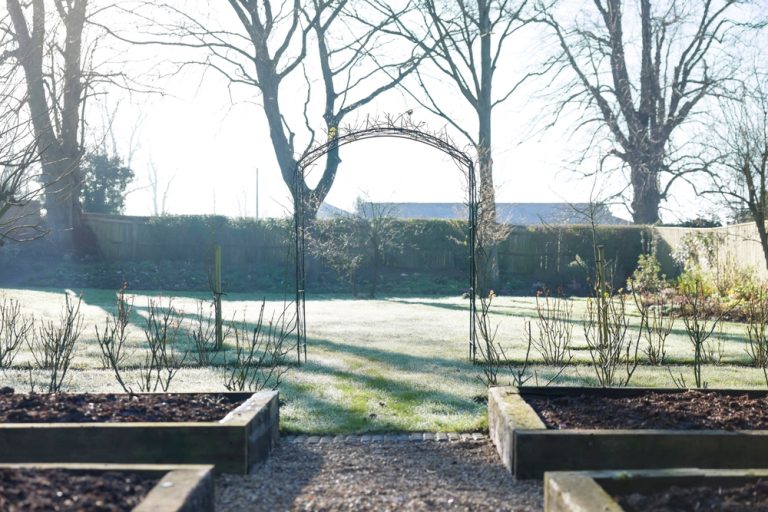
Your summer tomatoes may be finished, but that doesn’t necessarily mean your raised beds need to sit empty until spring. With the right crops and a few inexpensive adjustments, cold-weather raised beds can keep producing lettuce, spinach, kale, carrots and other hardy vegetables well beyond the traditional gardening season. Raised beds are particularly convenient for…
Leaf Mulch Uses That Feed Garden Soil All Winter
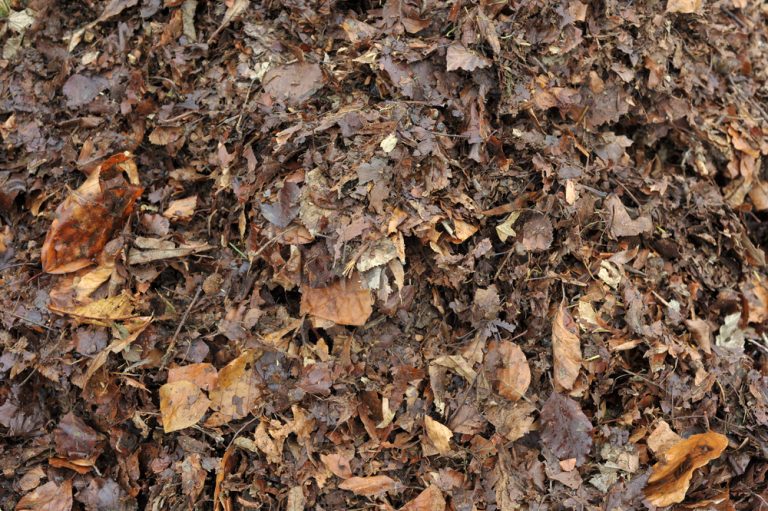
Every fall, gardeners fill bags with something they may turn around and pay to replace a few months later. Fallen leaves can become mulch, compost and organic matter, making them one of the most useful free materials your yard produces. Instead of hauling them away, strategic leaf mulch uses can protect exposed soil, suppress winter…
October Lawn Care Tasks That Protect Your Grass Before Winter
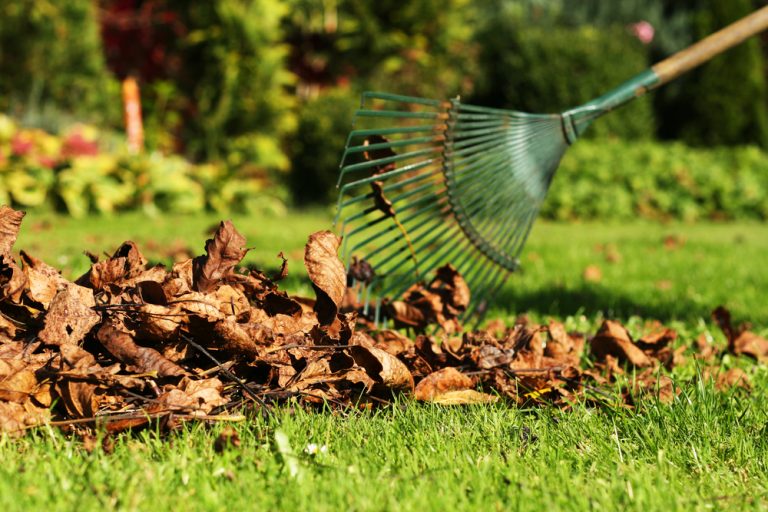
By October, the lawn mower may be running less often, but putting lawn care completely on hold can create problems that show up next spring. Grass type, climate and local frost dates determine exactly what your yard needs, yet several October lawn care jobs can protect turf through colder weather without requiring an expensive lineup…
Fall Pruning Mistakes That Can Weaken Spring Growth

Fall cleanup has a satisfying rhythm: pull the annuals, rake the leaves, put away the hoses and trim everything that looks unruly before winter. But reaching for the pruning shears simply because a shrub looks messy can create problems that won’t become obvious until months later. Some fall pruning mistakes remove flower buds that have…
The Best Garlic Planting Window Before Winter Sets In
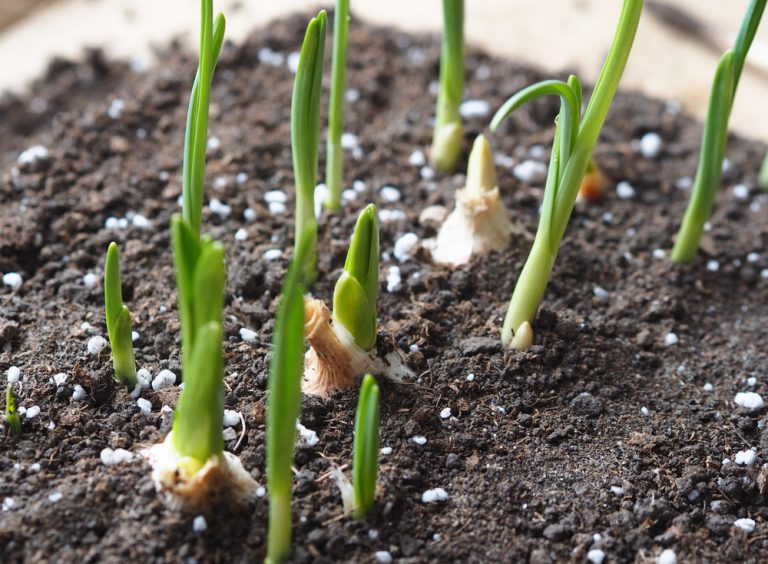
Garlic is one of those crops that asks you to think about next summer while you’re still cleaning up this year’s garden. Plant too early, and warm fall weather can encourage more top growth than you want before winter; wait until the soil is frozen solid, and you’ve missed the easiest opportunity for the cloves…
What Happens If You Leave Carrots in the Ground All Winter?
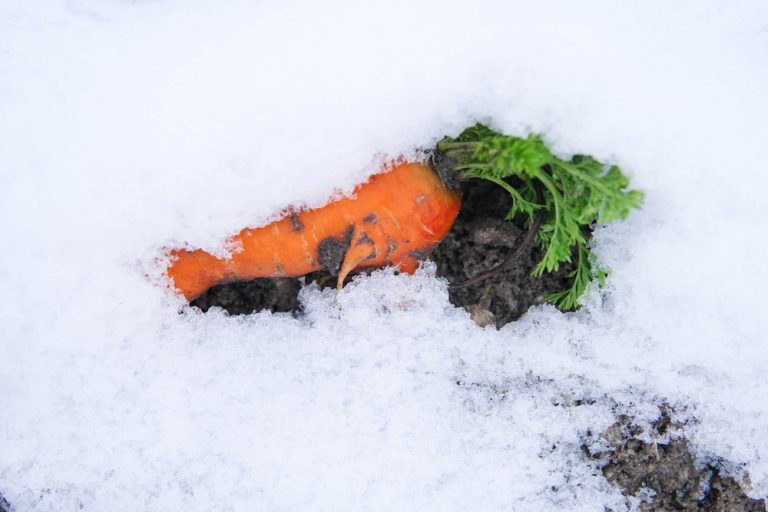
When fall cleanup arrives, you don’t necessarily have to pull every carrot from the garden and make room for bags of produce in the refrigerator. In many climates, overwintering carrots lets the soil serve as a surprisingly effective storage space, allowing you to dig fresh roots weeks or even months after the normal harvest season….
10 Bulbs to Plant in October for Strong Spring Color

October can feel like the month when gardening starts shutting down, but one of the year’s best opportunities is sitting in bags and boxes at garden centers right now. Plant the right spring flowering bulbs this fall, and you’ll get weeks of color next year without buying trays of annuals or starting dozens of seeds….