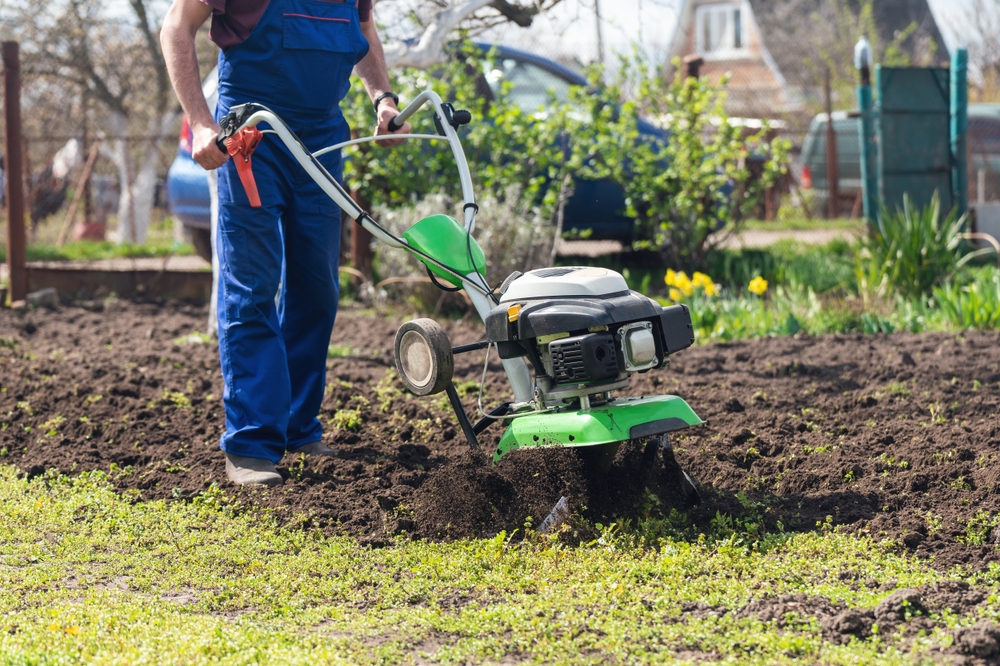
You can sabotage an entire spring garden before you plant a single seed.
The culprit does not look dramatic. It does not arrive with pests or disease. It hums in your garage, promises fluffy soil, and makes you feel productive on a mild March afternoon. Yet this one common soil habit—aggressive spring tilling—undermines root systems, destroys soil structure, and sets the stage for weaker plants all season long.
Tilling has its place in agricultural history, and for generations gardeners have relied on it to prepare beds. But modern soil science paints a much more complicated picture. If you care about healthy tomatoes, crisp lettuce, and sturdy sunflowers, you need to rethink what happens between your shovel and your soil.
The Cult of the Rototiller
Few tools inspire as much enthusiasm as the rototiller. The first time you run one across compacted ground, the transformation feels almost magical. Hard earth turns into soft crumbs, weeds vanish, and the surface looks ready for anything.
That visual transformation tricks a lot of gardeners into equating fluffy soil with healthy soil. In reality, structure matters far more than softness. Healthy soil forms stable aggregates—tiny clusters of sand, silt, clay, organic matter, fungi, bacteria, and microscopic life that bind together in a way that creates air pockets and drainage channels. When you till aggressively, you shatter those aggregates. You expose delicate fungal networks, including beneficial mycorrhizal fungi that help plants absorb nutrients and water. You also disrupt earthworm tunnels that naturally aerate the soil.
Research shows that frequent tilling reduces organic matter over time because it introduces oxygen that accelerates decomposition. Organic matter fuels soil life and improves water retention. When you burn through it too quickly, you end up with soil that crusts on top, compacts underneath, and struggles to hold moisture during hot spells. What looks perfect in April can turn stubborn and lifeless by July.
Fluffy Today, Compacted Tomorrow
Freshly tilled soil feels light and workable, but that softness rarely lasts. Rainfall, irrigation, and even gravity collapse the loosened particles back together. Without stable aggregates and organic matter to hold everything in place, the soil can settle into a dense layer beneath the surface.
This phenomenon forms when repeated tilling at the same depth compacts soil just below the worked layer. Roots encounter that dense zone and hesitate. Shallow roots lead to plants that dry out quickly and struggle in heat waves. Deep roots, on the other hand, anchor plants, improve drought tolerance, and allow access to nutrients deeper in the profile.
You can test your own garden with a simple shovel. Dig a small hole and look at the sidewall. If you notice a distinct dense layer several inches down, your tiller may have created it. Instead of reaching for more power, consider loosening compacted areas with a broadfork or garden fork, which lifts and aerates without pulverizing structure.
Soil Is Alive, and It Deserves Respect
Soil does not function as an inert medium that simply holds plants upright. It acts as a living ecosystem. A single teaspoon of healthy garden soil can contain billions of bacteria, miles of fungal filaments, protozoa, nematodes, and arthropods. These organisms cycle nutrients, build structure, and protect plant roots from certain diseases.
When you till, you expose this underground community to sudden shifts in temperature, light, and oxygen. Many organisms cannot adapt quickly enough to those changes. Beneficial fungi, in particular, struggle when you repeatedly break their networks. Those networks connect plant roots and help transport phosphorus and other nutrients.
Gardeners often respond to weak growth after heavy tilling by adding more fertilizer. That approach may push top growth, but it does not restore the biological web that supports long-term soil health. Instead of disrupting soil life each spring, feed it. Add compost to the surface. Use mulch to protect it from temperature swings. Grow cover crops in fall and cut them down before planting rather than turning them under. These practices support soil organisms rather than evicting them.
Weeds Love Disturbed Soil
Tilling seems like an efficient way to eliminate weeds before planting, and in the short term it does clear the surface. But it also brings buried weed seeds up into the light, where they can germinate. Many weed seeds remain viable for years, even decades, waiting for disturbance and sunlight.
When you churn the soil, you essentially reset the weed clock. Within weeks, a fresh flush appears. That cycle leads to frustration and often to more tilling, which continues the pattern.
The Compost Confusion
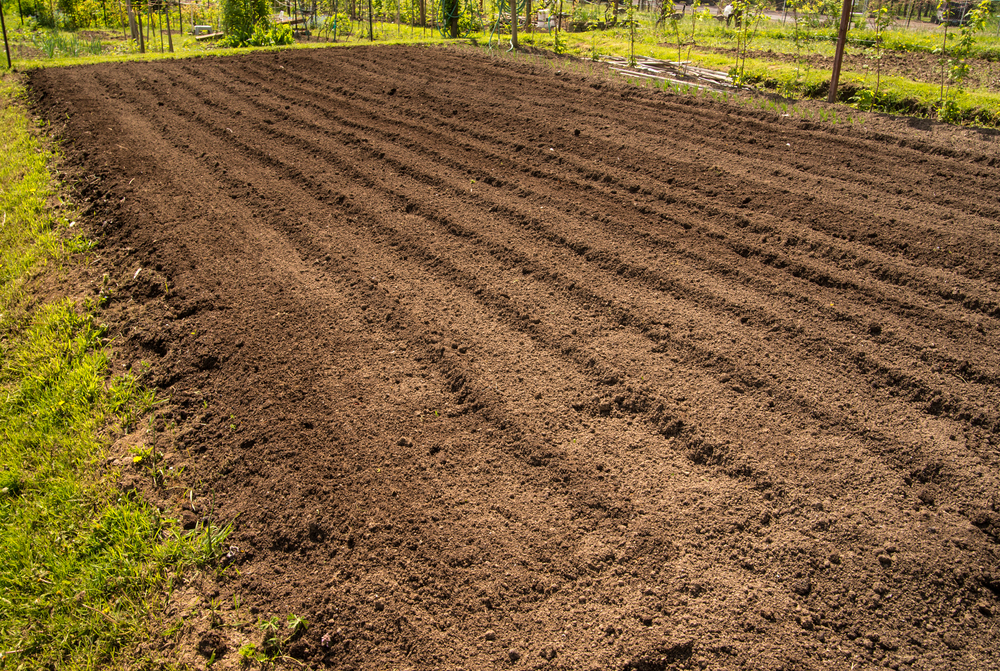
Many gardeners mix compost deeply into the soil each spring because they want nutrients close to plant roots. Compost absolutely benefits a garden, but the way you apply it matters. When you till compost into the soil, you accelerate decomposition and reduce the long-term structural benefits that compost provides.
Surface application, often called topdressing, offers a powerful alternative. Spread one to two inches of finished compost over your beds and let earthworms and natural processes incorporate it gradually. Rain and irrigation carry soluble nutrients downward. Soil organisms pull organic matter deeper as they feed. This method mimics how nutrients enter soil in natural ecosystems, where leaves fall and decompose on top rather than getting mixed in by machinery.
If you start a brand-new garden in heavily compacted ground, you may need an initial deep loosening. After that first correction, shift to a low-disturbance approach. Your soil improves year after year instead of starting from scratch every spring.
When Tilling Makes Sense—and When It Doesn’t
Not all tilling causes harm. Context matters. Large-scale farms with specific crop rotations sometimes use strategic tillage as part of a broader soil management plan. Home gardeners converting lawn to garden space may need to break sod initially.
The trouble begins when tilling turns into a yearly ritual without a clear purpose. If your beds already contain decent organic matter, drain well, and support healthy root growth, you gain very little from aggressive turning. In fact, you risk losing the progress you built over previous seasons.
Raised beds often benefit the most from minimal disturbance. Because gardeners rarely walk on them, they resist compaction. You can maintain them beautifully with compost, mulch, and careful planting without ever firing up a tiller again. Even in in-ground gardens, you can designate permanent beds and paths to reduce foot traffic and preserve structure.
Your Garden’s Turning Point
Every spring offers a choice. You can chase the temporary satisfaction of freshly tilled earth, or you can commit to long-term soil health that supports strong roots, steady growth, and better harvests. Soil rewards patience and thoughtful care more than force and noise.
When you protect structure, nurture soil life, and limit disturbance, you create a foundation that carries your garden through heat, drought, and heavy rain. You stop fighting the ground and start working with it.
Before you pull that cord or plug in that machine this year, ask yourself whether your soil truly needs turning—or whether it needs trust, compost, and a lighter touch instead. What changes will you make in your garden this spring? Let’s talk about it in the comments below.
You May Also Like…
Why Your Garden Hose Could Be Leaching Chemicals Into Your Soil
These 10 Garden Hacks Are Going Viral — But Experts Say Some Are Ruining Soil Health
These 5 Kitchen Items Are Secretly Contaminating Your Garden Soil
Why Gardeners in Texas Are Losing Entire Beds to This Soil-Borne Fungus
These 10 Plants Fix Bad Soil — Without Costly Amendments

Brandon Marcus is a staff writer for FrugalGardening.com at District Media, Inc., where he delivers practical gardening advice with a relatable, no-nonsense style. An avid amateur gardener, he holds a BA degree and with over ten years of professional writing experience, he is also an award-winning published author whose first book, Questions For Deep Thinkers, was released by Adams Media. His work has appeared in major publications including Fandom.com, CHUD.com, TheColdWire.com, and Fansided.com.
Leave a Reply