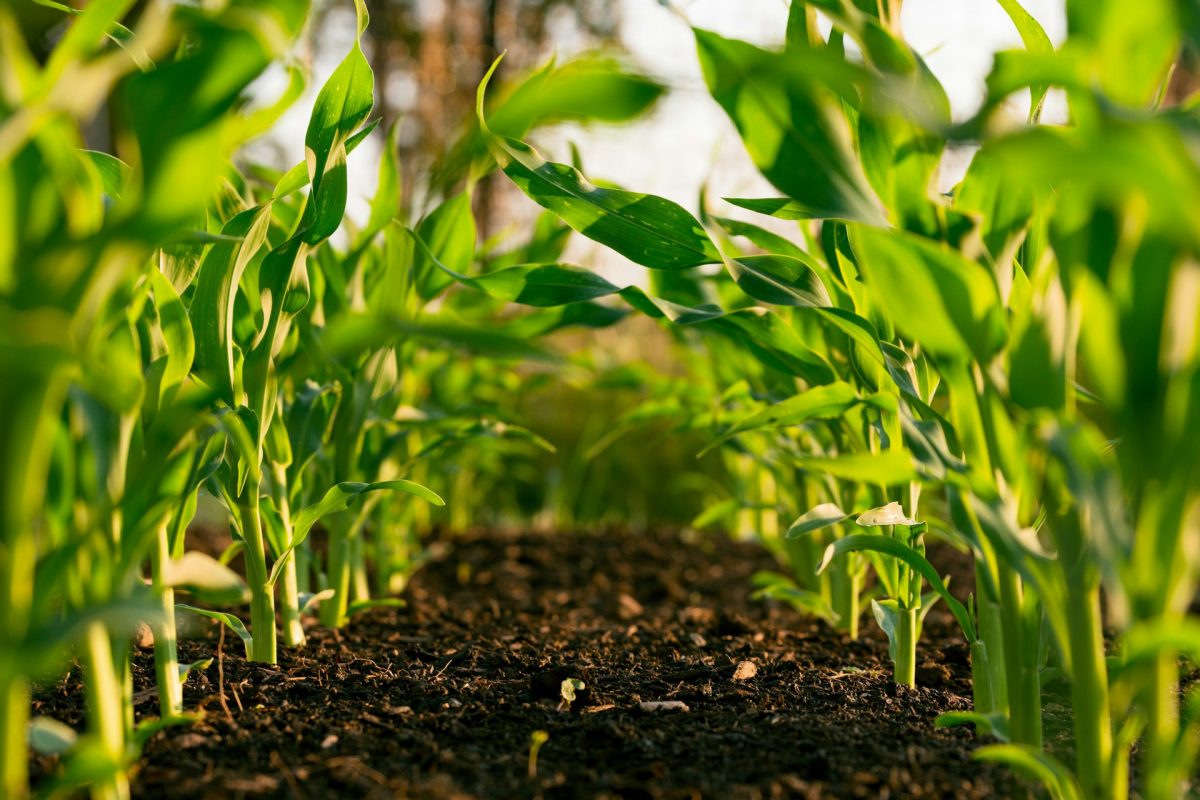
You’ve been taught that turning over your soil prepares the perfect bed for planting. It feels natural, satisfying even, to slice through the earth and watch it crumble beneath the blade. But here’s the hard truth: every time you till, you punch a hole in your soil’s life force.
With climate pressures intensifying and soil quality dropping faster than ever, the act of tilling isn’t just old-fashioned—it’s actively destructive. Soil is alive. It has ecosystems, networks of microorganisms, and delicate structures that take decades to form. Tilling tears all that apart, reducing fertility and setting your garden or farm back in ways you might not even notice until years later.
Tilling Is the Bulldozer of Microbial Life
Soil isn’t just dirt; it’s a bustling city of bacteria, fungi, protozoa, and nematodes, all working together to recycle nutrients and support plant growth. Tilling behaves like a wrecking ball, displacing and often killing these tiny workers. When you disrupt their environment, you interfere with essential processes like nitrogen fixation and organic matter decomposition.
That means the nutrients your plants need can disappear or become less available, forcing you to rely on chemical fertilizers to compensate. Eventually, the microbial population shrinks, and the soil becomes less resilient to pests, disease, and drought. Even a light till can create micro-disasters underground, undermining everything above ground.
The Soil Structure Collapses Faster Than You Think
Soil has layers, channels, and aggregates that trap water, air, and nutrients. When you till, you break these structures apart, leaving your soil more prone to compaction and erosion. Rainwater no longer seeps efficiently; it runs off, taking topsoil and precious organic matter with it. Compacted soil makes it harder for roots to penetrate and slows microbial activity, creating a feedback loop that drains fertility.
If you’ve noticed water puddling in spots that never held water before, or your plants struggling despite proper care, the problem might trace directly back to the plow or rototiller you’ve been using for years.
Carbon Loss Is the Invisible Enemy
Healthy soil stores carbon, keeping greenhouse gases at bay while fueling plant growth. Tilling flips carbon-rich layers to the surface, where it oxidizes into CO2 and escapes into the atmosphere. Each pass of a tiller is not just soil disruption; it’s a tiny carbon bomb.
When climate-conscious farming practices matter more than ever, losing soil carbon accelerates environmental damage and undermines long-term productivity. You don’t just erode soil—you erode the future. Practices like cover cropping, mulching, and minimal disturbance protect this invisible asset while keeping your soil vibrant.
Weeds Won’t Win If You Play Smart
One argument for tilling is that it controls weeds, but the reality is counterintuitive. Tilling often brings dormant weed seeds to the surface, giving them sunlight and a perfect germination environment. That means you might spend more time battling weeds after tilling than you would have without it.
Modern alternatives like mulching, crop rotation, and strategic cover crops suppress weeds naturally without destroying soil structure. These approaches require planning, but they reward patience with a self-sustaining ecosystem that favors crops over invaders.
Water Retention Isn’t Just About Rain
Tilled soil drains faster, but not in a good way. Instead of storing water for long periods, tilled soil often loses moisture quickly, stressing plants during hot spells. Microchannels that would normally funnel water directly to roots collapse, and evaporation accelerates. That’s why gardens and fields that see repeated tilling often demand more irrigation, especially in areas with irregular rainfall patterns.
By leaving soil intact and using organic matter as a protective layer, you can dramatically improve water retention and reduce dependency on sprinklers or hoses.
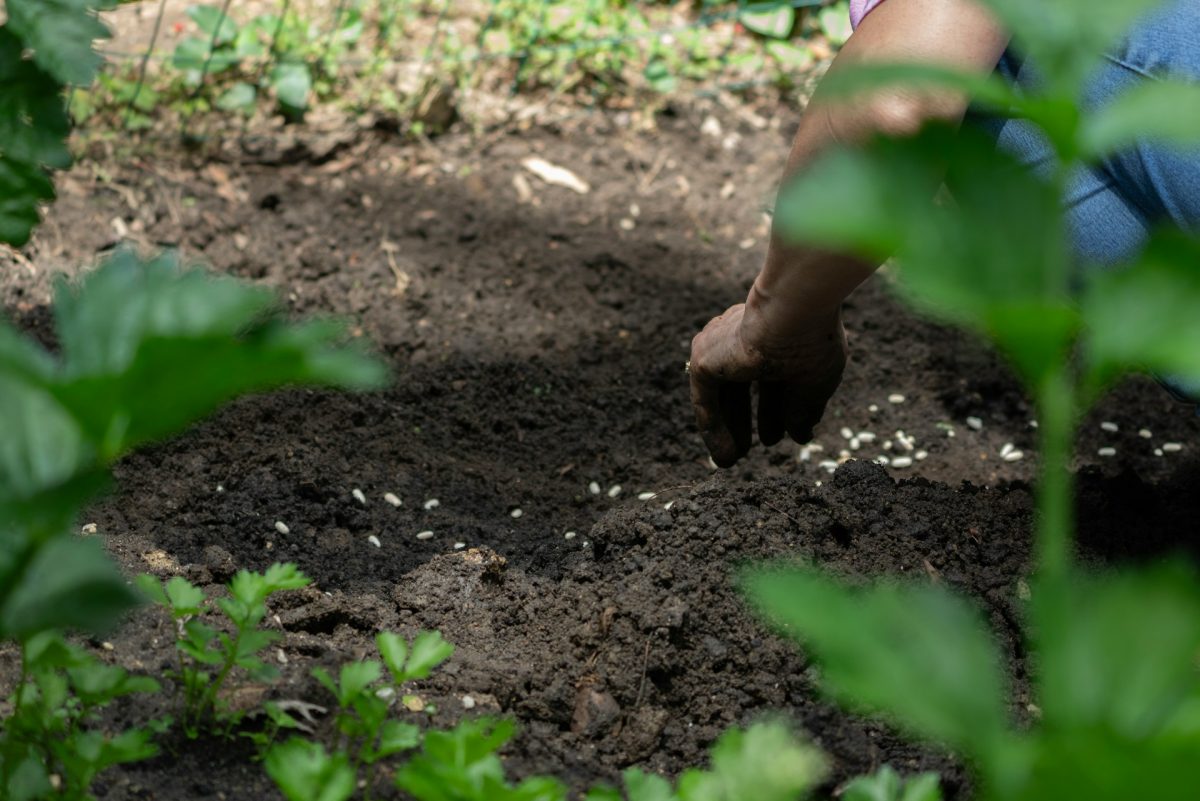
Embracing No-Till Doesn’t Mean Doing Nothing
No-till farming or gardening isn’t laziness; it’s strategic care. By skipping aggressive tilling, you allow natural processes to build healthy soil layers and sustain microbial networks. You can still plant efficiently using seed drills, transplanting methods, or minimal disruption tools.
Adding compost, rotating crops, and planting cover crops keeps soil nutrient-rich and resilient. Over time, this hands-off approach often produces more vigorous plants with fewer inputs, proving that sometimes doing less actually achieves more.
Cover Crops Are the Secret Weapon
Cover crops aren’t just green decoration—they’re living armor for your soil. Plants like clover, rye, and vetch fix nitrogen, improve structure, and protect against erosion. Their roots break through compacted layers, creating channels for water and air while feeding microbial life.
Even after they die, they leave organic matter that strengthens the soil for the next crop cycle. In a world where every nutrient counts and every inch of topsoil matters, cover crops act as both a shield and a fertilizer, quietly working while you focus on other tasks.
Soil Isn’t Disposable, and Neither Should You Be
The mindset of “till it and forget it” treats soil like an inert object rather than a living system. Once you recognize soil’s complexity, every action takes on weight. The choices you make about disturbance, organic matter, and cover management directly affect fertility, yield, and sustainability.
With extreme weather and global soil degradation becoming more visible, ignoring soil health is no longer optional—it’s risky. Investing in regenerative practices isn’t just environmentally sound; it’s economically smart, saving costs on fertilizers, water, and lost productivity over time.
Rethink Every Pass of the Tiller
Tilling may feel productive, but it often sets you back. Every blade in the ground should have a purpose, not just habit. Examine your land with a critical eye: where can you leave soil undisturbed, where can cover crops fill in, and where might minimal disturbance tools replace traditional plowing?
Shifting from routine tilling to intentional soil management transforms the way your land works, giving it longevity and resilience.
Soil Wins When You Step Lightly
The harsh reality is simple: tilling feels productive but undermines soil health in lasting ways. Microbes die, structure collapses, carbon escapes, and water drains too quickly. Alternatives like no-till, cover crops, composting, and crop rotation support a living, breathing soil that rewards patience with higher yields and healthier plants. Tilling is a shortcut that steals the long-term benefits from your land. The smartest farmers and gardeners step lightly, letting soil rebuild itself while reaping the rewards of a thriving ecosystem.
How will you change your approach to soil care this year? We want to hear your tips and ideas in the comments.
You May Also Like…
The Mulch That’s Causing Seizures in Cats — And It’s Still Being Sold in Stores
Why Your Garden Hose Could Be Leaching Chemicals Into Your Soil
These 5 Kitchen Items Are Secretly Contaminating Your Garden Soil
These 10 Garden Hacks Are Going Viral — But Experts Say Some Are Ruining Soil Health
Soil Scientists Warn: This Contamination Is Spreading Fast in Home Gardens Across the South

Brandon Marcus is a staff writer for FrugalGardening.com at District Media, Inc., where he delivers practical gardening advice with a relatable, no-nonsense style. An avid amateur gardener, he holds a BA degree and with over ten years of professional writing experience, he is also an award-winning published author whose first book, Questions For Deep Thinkers, was released by Adams Media. His work has appeared in major publications including Fandom.com, CHUD.com, TheColdWire.com, and Fansided.com.
Leave a Reply