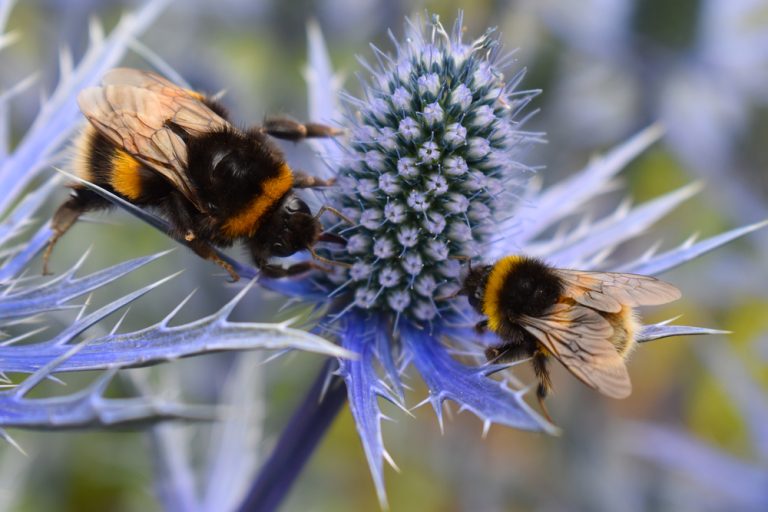
Brown coneflower stalks and dried bee balm may look like garden debris once fall arrives, but to some insects, those hollow stems look more like real estate. Native solitary bees, beneficial wasps, moths, spiders, and other small creatures can use dead plant material for nesting or shelter, which means an aggressive fall cleanup can remove…
garden tips
Buy Garden Supplies Now or Wait Until Spring? 7 Things That Are Often Cheaper Off-Season
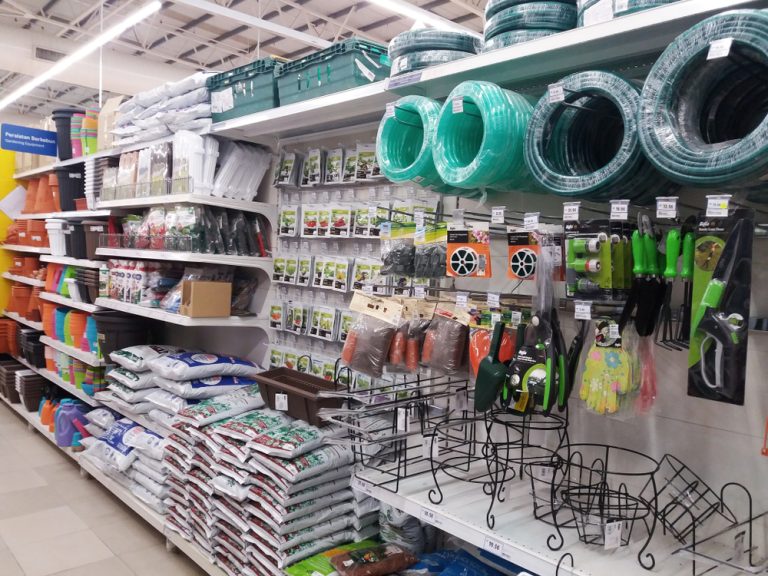
Spring has a way of making gardeners spend money quickly: the weather warms up, planting season suddenly feels urgent, and everyone seems to need the same shovel, planter, hose, and trellis at once. Fall flips that equation because retailers begin clearing seasonal merchandise to make room for winter inventory, creating opportunities to buy next year’s…
Leaving Soil Bare All Winter? You May Be Creating More Work for Spring
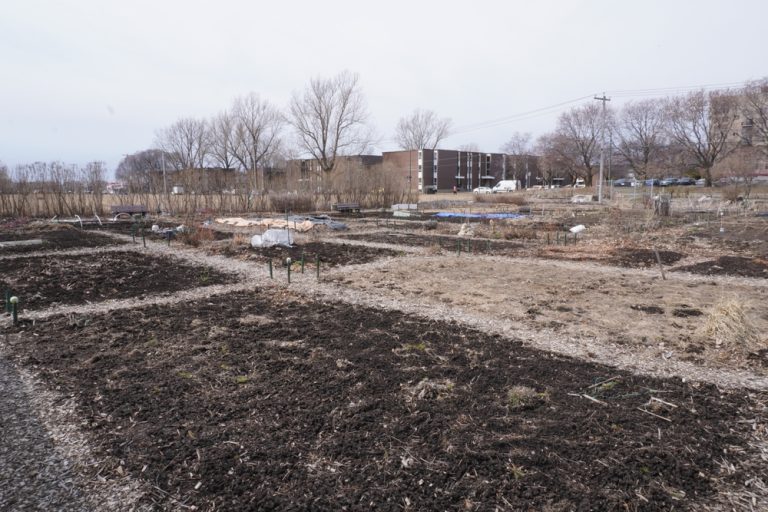
After the last tomatoes are picked and exhausted vegetable plants come out, a perfectly bare garden bed can feel satisfyingly clean. The problem is that soil doesn’t necessarily benefit from spending the next several months exposed to pounding rain, wind, weeds, freezing temperatures, and repeated freeze-thaw cycles. University of Minnesota recommends keeping garden soil covered…
7 Garden Cleanup Jobs That Can Actually Wait Until Spring
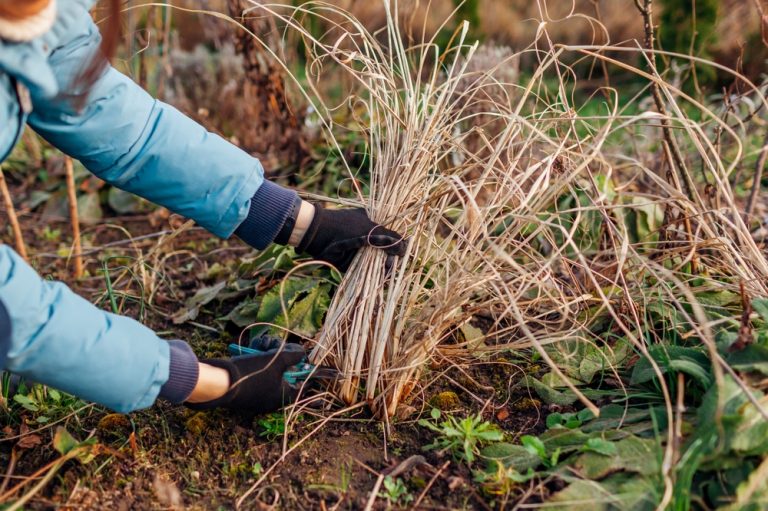
The first chilly weekend of fall can make gardeners feel like they’re racing a deadline: cut everything down, rake every leaf, clear every bed, and leave the yard spotless before winter arrives. But that traditional approach can create unnecessary work while removing winter habitat that birds, bees, butterflies, moths, and other beneficial creatures use until…
Don’t Store Garden Soil Like This Over Winter — You Could Ruin the Whole Bag
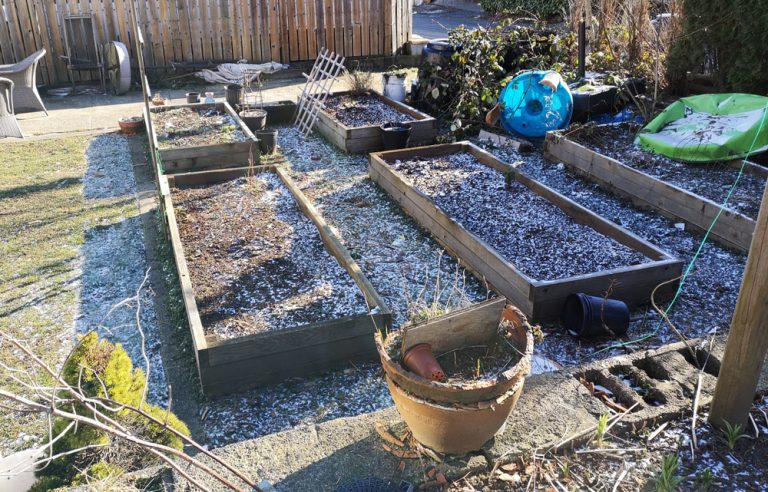
That half-used bag of potting mix left over from summer may represent $10, $15, or even $20 you won’t have to spend again next spring. But tossing an open bag behind the shed, leaving it where rain can reach it, or forgetting it beside your containers for several months can turn perfectly usable growing media…
You’re Still Watering Like It’s July — Your Fall Garden Doesn’t Need It
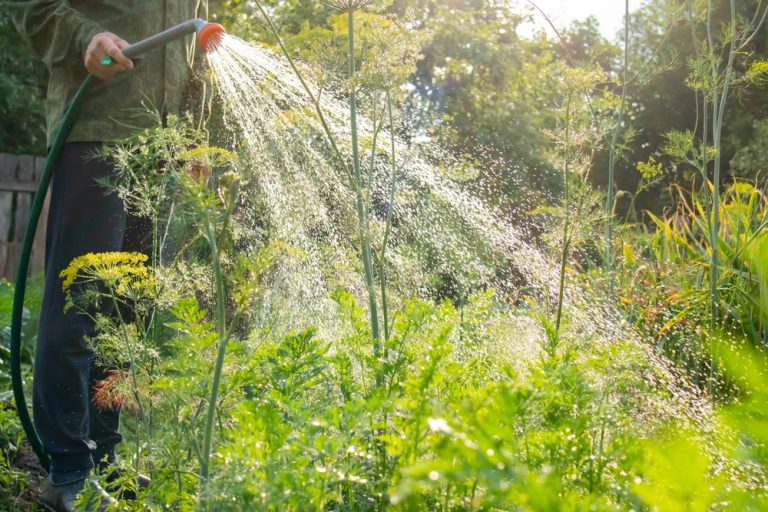
That automatic watering schedule that kept your tomatoes alive through July may be doing too much work by late September. Cooler days, longer nights, weaker sunlight, and seasonal rain can all change how quickly moisture disappears from garden soil, yet it’s easy to keep watering simply because that’s what you’ve done all summer. Too much…
Those Dead Flower Stems Look Ugly — Here’s Why Gardeners Are Leaving Them Until Spring
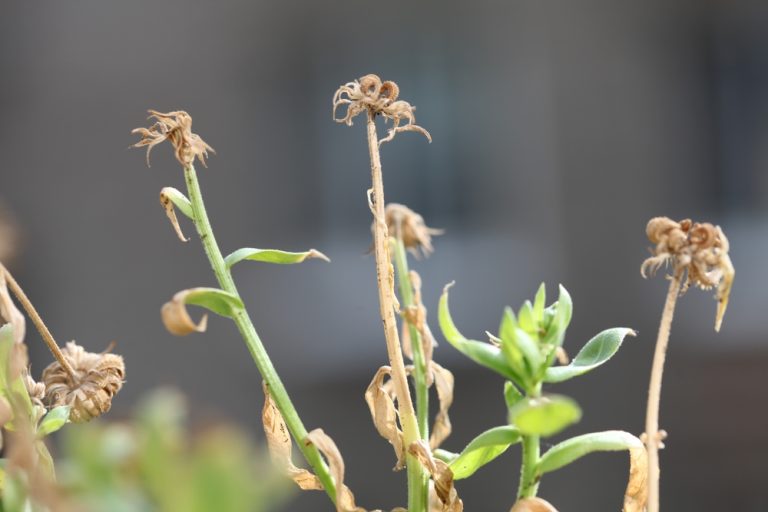
Once frost turns your flower garden brown, the instinct is understandable: grab the pruners, cut everything to the ground, bag the debris, and make the yard look tidy again. But what looks like a collection of dead stems to you may look very different to a bee, butterfly, bird, or other creature preparing for winter….
You’re Mulching Too Deep — And It Could Slowly Kill Your Trees
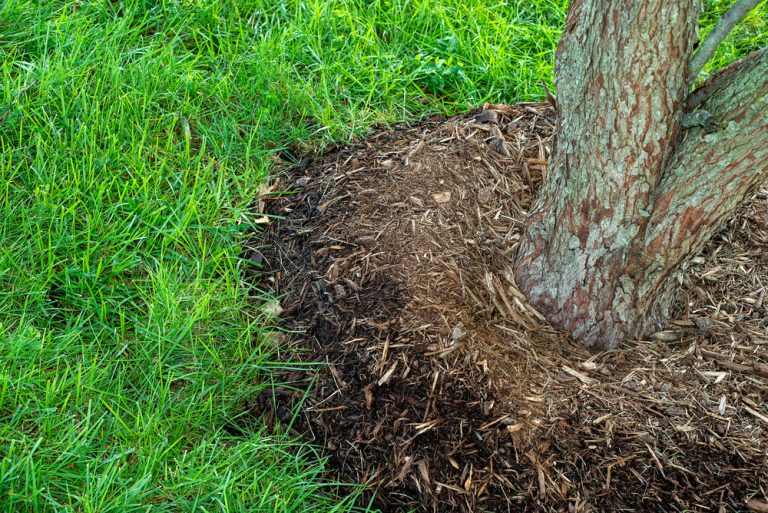
That perfectly shaped mountain of mulch around your tree might make the yard look professionally landscaped, but it could be doing more harm than good. Mulch is genuinely beneficial when used correctly because it conserves soil moisture, moderates temperature, suppresses weeds, and protects trees from lawn equipment. The problem starts when homeowners keep adding fresh…
7 Vegetables You Can Still Plant in Fall for One More Cheap Harvest
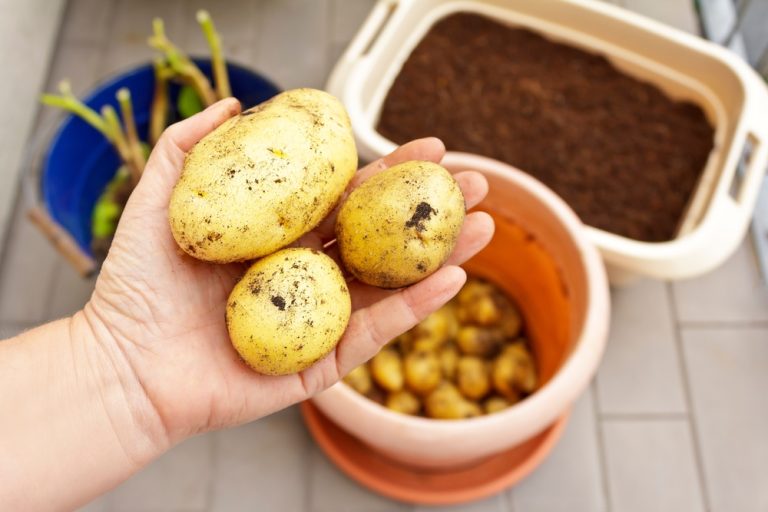
The tomato plants may be fading and the summer squash may have stopped producing, but that doesn’t necessarily mean your vegetable garden is finished for the year. Fall is an opportunity to squeeze another round of food from soil, containers, and garden beds you’ve already paid to prepare. Many cool-season vegetables tolerate frost, mature quickly,…
Raking Every Leaf Out of Your Garden? You May Be Throwing Away Free Mulch
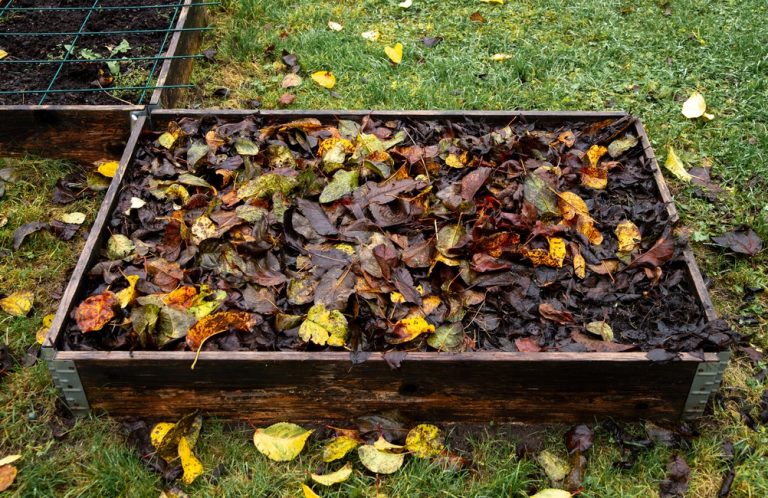
Every fall, homeowners rake up something valuable, stuff it into bags, haul it to the curb—and then head to the garden center a few months later to buy mulch. Fallen leaves aren’t just seasonal debris; they’re a source of free leaf mulch that can protect soil, suppress weeds, conserve moisture, and eventually return organic matter…