Every gardener believes they can outsmart nature, yet February has a sneaky reputation for undoing all that careful work. While snow may still blanket some regions, gardeners often get restless, itching to prepare beds, start seedlings, and plan their first crops.
This eagerness can backfire spectacularly. The real culprit is overzealous soil and plant management—especially the tendency to fertilize, plant too early, or disturb dormant soil. February feels safe, but the soil and dormant seeds have their own timetable, and forcing action now can reduce yields, invite disease, and stress plants before spring even arrives.
Overfertilizing Before the Soil Is Ready: A Recipe for Disaster
Applying fertilizer in February seems like a proactive step, yet it often does more harm than good. Cold soil slows down microbial activity, meaning that nitrogen and phosphorus don’t get absorbed efficiently. Instead of feeding plants, the nutrients can wash away, leach into groundwater, or encourage fungal growth. This misstep can stunt early sprouts, weaken roots, and delay growth when the soil finally warms.
Rather than dumping chemical or organic fertilizers on frozen or waterlogged ground, gardeners should test soil and plan amendments for the moment it reaches workable temperatures. Compost top-dressing or dormant-season amendments, applied carefully, prepare the soil without shocking it. Timing matters more than generosity: February’s instinct to “feed now” can quietly sabotage spring’s potential bounty.
Planting Early Seeds: Impatience Costs More Than Time
Starting seeds indoors in February is common, but jumping the calendar is risky. Certain vegetables—tomatoes, peppers, and eggplants—require stable warmth and light to thrive, and seedlings that germinate too early often become leggy, weak, or disease-prone. Even cold-tolerant crops like kale or broccoli can falter if seedlings are exposed to inconsistent temperatures or overly wet conditions.
Indoor lighting can help, but many gardeners underestimate the effect of February’s low sun angles. Forcing growth too soon triggers weak plants that struggle to establish once transplanted, effectively shrinking spring yields. Strategically staging seed starting according to each plant’s ideal growth timeline produces healthier, sturdier crops that reward patience.
Soil Disturbance in Dormancy: Leave It Alone
Gardeners often get carried away in February, tilling, turning compost, or rearranging beds. This instinct, while understandable, can devastate dormant soil ecosystems. Microorganisms, worms, and fungi hibernate or slow activity during cold months. Digging disrupts these essential organisms, exposes soil to erosion, and can accelerate nutrient loss.
Bare soil also dries faster or freezes in layers, leaving plants vulnerable. A better approach involves minimal intervention: monitor beds for debris, lightly mulch to protect the soil, and postpone deep digging until consistent warmth and moisture return. Respecting the soil’s downtime ensures a more vibrant, resilient spring garden.
Winter Weeds: Don’t Let Them Hijack Your Beds
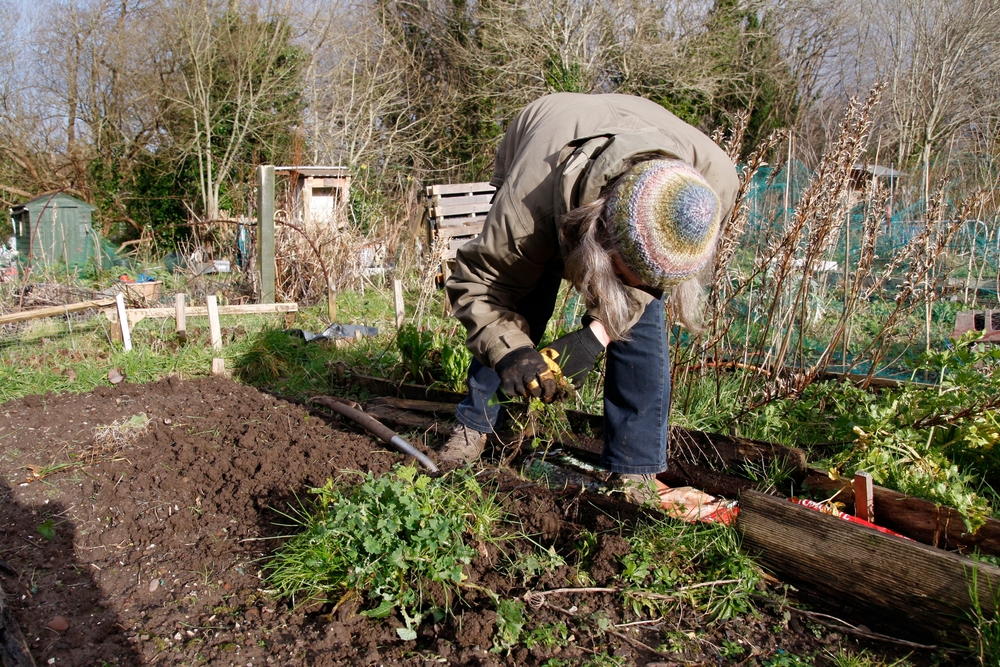
Winter weeds aren’t just an eyesore; they compete aggressively with young crops for nutrients and sunlight. February allows winter annuals like chickweed and henbit to spread unchecked if gardeners ignore them. Pulling them prematurely, however, can disturb soil and inadvertently expose dormant seeds, giving them room to germinate.
The ideal strategy involves gentle hand-weeding or using mulch as a preventive barrier. Cover crops planted last fall, like winter rye, can suppress weeds while adding nitrogen and improving soil structure. Managing weeds thoughtfully in February sets the stage for smoother, higher-yielding growth in spring without unnecessary stress on soil or seedlings.
Water Management Mistakes: Frozen or Flooded
Watering in February sounds harmless, but cold weather complicates matters. Overwatering can create ice layers, drown dormant roots, or encourage fungal problems, while underwatering leaves soil overly dry, reducing microbial activity. Both extremes compromise spring yields.
Checking soil moisture before adding water and relying on mulches to regulate temperature and moisture can prevent these problems. Patience is critical: soil naturally stores water through winter, and most plants don’t require extra hydration until growth resumes. February is the month to observe, not drench, letting nature handle most of the hydration work.
Pest Preparation: Not Too Soon, Not Too Late
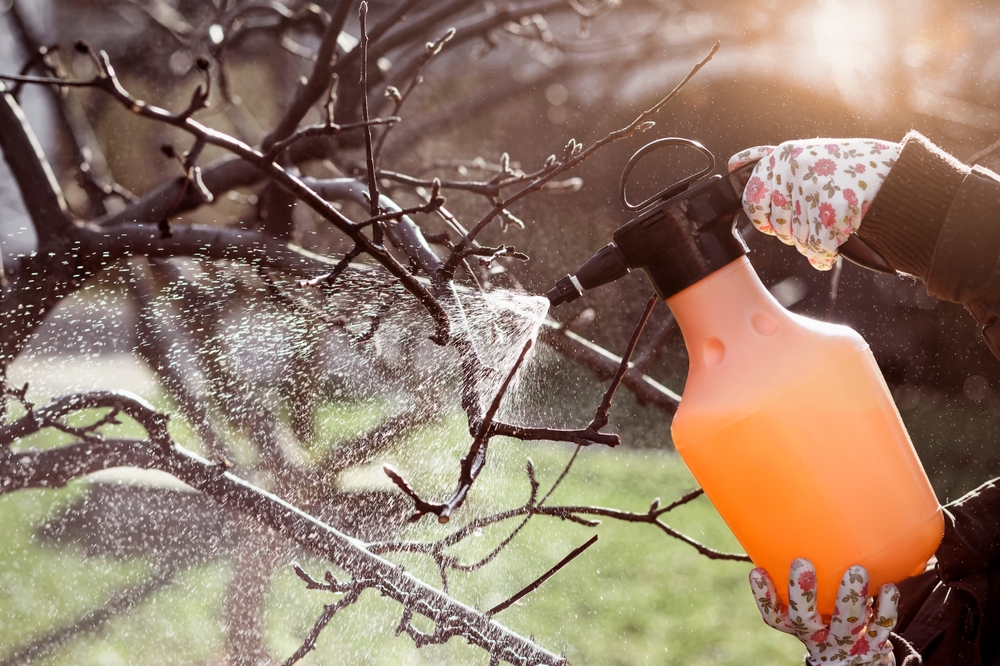
It might seem wise to start pest control in February, but timing determines effectiveness. Many insects remain dormant or hidden under soil, leaf litter, or mulch. Spraying or disturbing habitats now often misses pests entirely while stressing beneficial predators like ladybugs, spiders, and earthworms. Focus instead on preventive measures: clear debris carefully, check for rodent burrows, and plan for crop rotation and companion planting.
February is the month to strategize, not spray indiscriminately. Waiting until spring ensures that interventions target active threats and protect pollinators and natural predators crucial for strong yields.
The Power of Mulch: Your Secret February Ally
While avoiding too much disturbance, February still offers one highly effective tool: mulch. Applying organic mulch—straw, shredded leaves, or compost—provides insulation against temperature swings, suppresses weeds, and feeds the soil slowly as it breaks down. Mulch also maintains moisture and prevents erosion during rain or melting snow. For gardeners eager to “do something,” this step feels productive and genuinely benefits spring growth.
Layer mulch thoughtfully, keeping it away from plant crowns to prevent rot. This simple technique protects early growth without rushing the soil or seedlings, making it a low-risk, high-reward February activity.
Planning With Precision: The Calendar Is Your Friend
Ultimately, the best way to avoid February’s traps is meticulous planning. Map out when each crop will start indoors, when soil amendments should be applied, and when beds should be prepared for transplanting. Tracking local frost dates, soil temperatures, and daylight hours prevents hasty decisions.
Taking a few moments to visualize the spring garden before acting reduces errors and stress while increasing productivity. February is ideal for research, ordering seeds, organizing tools, and mapping out planting schedules. Preparation beats action in cold months, and patience now yields tangible rewards later.
Stop February From Sabotaging Your Spring
Spring gardening success depends on respecting the rhythms of the earth. Overfertilizing, disturbing dormant soil, planting too early, mismanaging water, or mishandling pests in February directly reduces yields. The best strategy involves careful observation, minimal disturbance, proper mulching, and strategic planning. r.
What February gardening mistakes have you fallen for, and how did you recover from them? Give your tips to others as we all try to get through this chilly season.
You May Also Like…
Vertical Gardeners Warned: These Popular Plants Are Failing in Winter Conditions
These ‘Unkillable’ Houseplants Are Dying in Droves This Winter — Here’s Why
Gardeners Warned: This Common Winter Cleanup Habit Is Spreading Fungal Disease in Raised Beds
This Winter Gardening Habit Is Spreading Mold and Root Rot, Experts Warn
10 Winter Watering Rules for Trees and Shrubs

Brandon Marcus is a staff writer for FrugalGardening.com at District Media, Inc., where he delivers practical gardening advice with a relatable, no-nonsense style. An avid amateur gardener, he holds a BA degree and with over ten years of professional writing experience, he is also an award-winning published author whose first book, Questions For Deep Thinkers, was released by Adams Media. His work has appeared in major publications including Fandom.com, CHUD.com, TheColdWire.com, and Fansided.com.
Leave a Reply