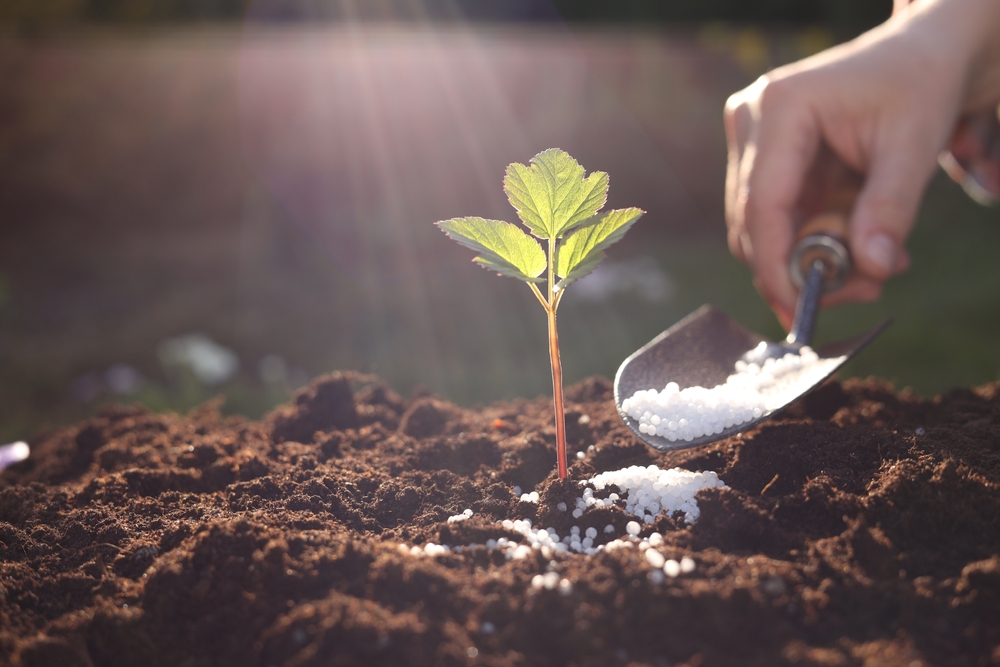
Have you ever dumped two fertilizers into your garden thinking you were giving your plants a supercharged boost, only to watch everything wilt like it forgot how to live? The truth is, some fertilizer combinations don’t just underperform—they can actively harm your plants, scorch their roots, and even damage the soil you’ve spent years nurturing.
Gardeners often obsess over the right ratios, micronutrients, and watering schedules, but mixing the wrong fertilizers can turn all that care into a one-way ticket to disaster. The problem isn’t just overdoing it; it’s about chemistry. Some fertilizers engage in full-blown chemical arguments the second they meet in water, leaving you with sludge, toxic gases, or soil so imbalanced your garden might take years to recover.
Salt Meets Acid: The Disaster of Potash and Acidic Fertilizers
Potassium-based fertilizers like potassium chloride or potassium sulfate are staples for fruiting plants, improving flower production and overall hardiness. Yet mix them with strong acidic fertilizers, such as ammonium phosphate, and you can create a highly saline environment around your roots. Excess salts draw water out of plant tissues, effectively dehydrating them even if the soil seems wet.
Plants under salt stress droop, lose leaves, and fail to thrive, which is ironic because you added these nutrients to make them healthier. To avoid this, apply acidic and potassium fertilizers on different days, and consider dissolving them separately if using liquid feed. Following this routine keeps your plants hydrated, happy, and fully able to absorb each nutrient.
Micronutrient Mayhem: Iron + Phosphate Don’t Play Nice
Iron chelates, zinc, and other micronutrient solutions are critical for preventing yellowing leaves and stunted growth. But pour in a phosphate-rich fertilizer at the same time, and these micronutrients can precipitate out of solution, forming a useless sludge that plants can’t absorb. You might think adding more nutrients equals faster growth, but this mistake actually starves your plants of the very elements they need most.
To avoid this, apply micronutrients in water separate from phosphate applications. Timing isn’t just convenient—it’s the difference between thriving, vivid foliage and a disappointing crop of limp, pale leaves.
Liquid Fertilizer Fiascos: Never Mix Calcium with Sulfates
Liquid fertilizers are a gardener’s dream for fast absorption, but the chemistry can go wrong quickly. Calcium nitrate, a common source of both calcium and nitrogen, should never meet a sulfate-heavy solution like magnesium sulfate or potassium sulfate in the same tank. The two can form insoluble precipitates that clog sprayers and drip systems, wasting nutrients and frustrating your watering schedule.
Beyond equipment headaches, plants miss out on the nutrients they were supposed to get, making the whole effort counterproductive. Splitting applications or using separate tanks ensures efficient delivery and avoids messy chemical fallout.
Organic vs. Chemical: Compatibility Isn’t Guaranteed
Just because an organic fertilizer is “natural” doesn’t mean it plays well with synthetic products. Manure, compost teas, or fish emulsions contain living organisms, delicate enzymes, and complex organic compounds. Mix them with concentrated chemical fertilizers, especially those with high nitrogen or salts, and you risk killing beneficial microbes that support soil health.
The result is a sterile environment where plants struggle to access nutrients, even if the soil looks rich. Apply organics at different times from synthetics to give each type space to work. This approach balances immediate nutrient availability with long-term soil vitality.
Safety First: Keep Fertilizers Away From Each Other and Yourself
Handling and using fertilizers may seem routine, but combining incompatible products can produce more than just poor plant results—it can release harmful gases, irritate skin, or even corrode equipment.
Always read labels, check compatibility charts, and store fertilizers separately. If you handle concentrated powders or liquids, wear gloves, eye protection, and a mask. The science of fertilization isn’t just about growth; it’s about doing it safely while preserving your soil, plants, and your own wellbeing.

Timing Is Everything
Even compatible fertilizers benefit from thoughtful timing. Soil needs time to adjust between amendments, and plants can absorb only so much at once. Overloading in a single session—even with safe fertilizers—can lead to nutrient lockout, where elements compete for absorption.
A strategic schedule, with intervals between major applications, maximizes nutrient uptake and prevents stress. Observing how plants respond over weeks lets you tweak timing and doses for the healthiest growth. This careful choreography separates the amateur from the gardener who truly understands their soil.
Plant Power Without Any Harm
Your garden doesn’t need explosive fertilizer combos to flourish. With proper knowledge, careful scheduling, and attention to detail, every plant can receive exactly what it needs without risking chemical chaos. Avoid the traps, respect the science, and your soil will reward you with strength, beauty, and resilience. After all, gardening is as much about patience and observation as it is about nutrients. Keep the chemistry in check, and watch every seed, shrub, and bloom thrive like it was meant to.
What fertilizer mix disasters have you encountered, and how did you fix them? Share your stories below.
You May Also Like…
The Organic Fertilizer Problem Gardeners Are Reporting in 2026 — And How to Fix It Cheaply
9 Flowers That Thrive With Less Fertilizer Than You Think
6 Vegetables That Don’t Need Premium Fertilizers
The Smart Gardener’s Guide: 4 Low-Cost Organic Fertilizers
7 Natural Fertilizers Found in Your Fall Kitchen

Brandon Marcus is a staff writer for FrugalGardening.com at District Media, Inc., where he delivers practical gardening advice with a relatable, no-nonsense style. An avid amateur gardener, he holds a BA degree and with over ten years of professional writing experience, he is also an award-winning published author whose first book, Questions For Deep Thinkers, was released by Adams Media. His work has appeared in major publications including Fandom.com, CHUD.com, TheColdWire.com, and Fansided.com.
Leave a Reply