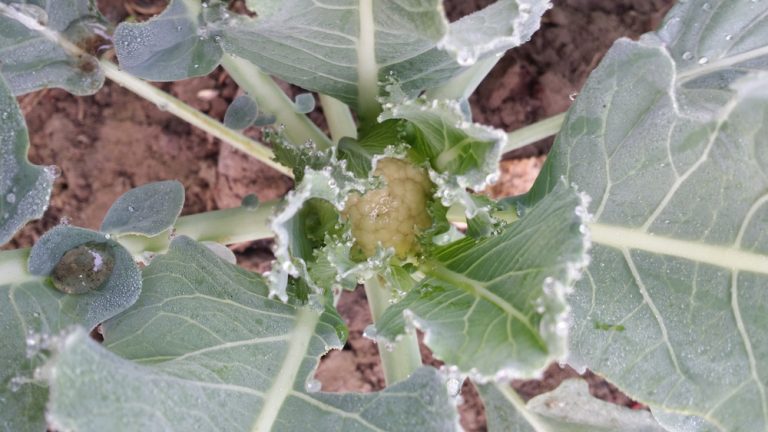
If your tomatoes are fading and the first frost is showing up on the forecast, don’t assume this year’s vegetable garden is finished. Several cool-season crops grow quickly enough to squeeze another harvest from beds that would otherwise sit empty, and some tolerate temperatures that would wipe out summer vegetables overnight. The trick is choosing…
garden tips
Fall Flowers That Keep Garden Beds Colorful After Summer Fades
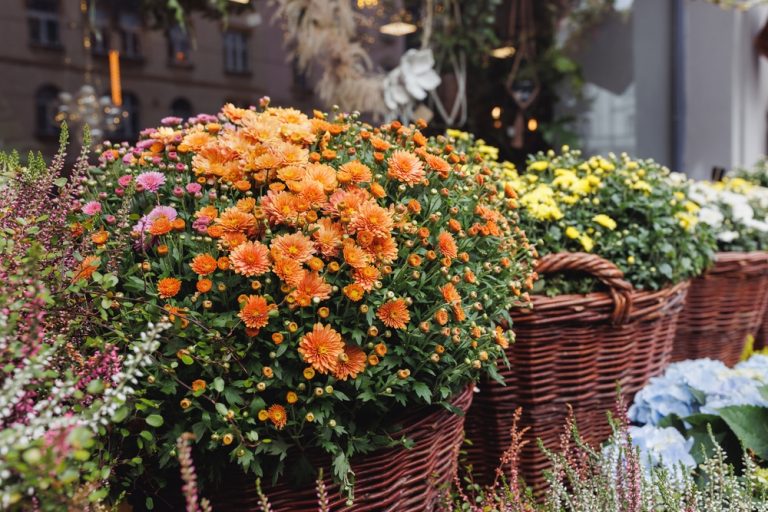
By September and October, a garden that looked spectacular in June can suddenly feel tired, brown, and surprisingly empty. That doesn’t mean you need to rip everything out or spend a small fortune filling the gaps with decorative pumpkins and disposable plants. The right fall flowers can keep beds and containers colorful well after many…
That Free Firewood Could Bring a Tree-Killing Pest Into Your Yard
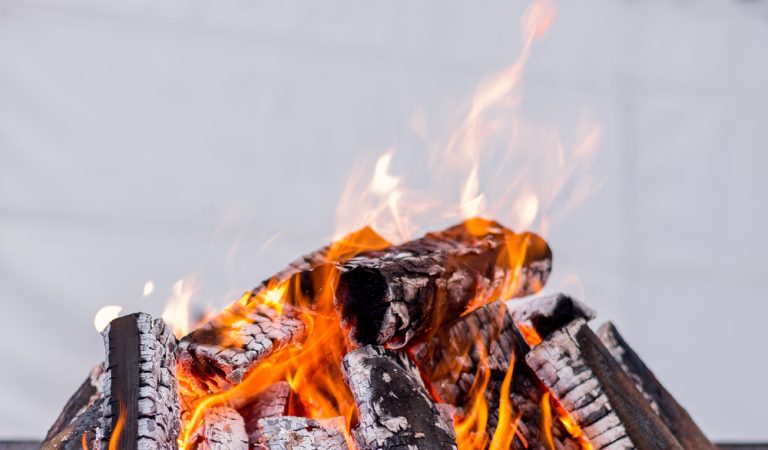
A neighbor cuts down a tree, posts “free firewood” online, and suddenly you can picture a winter’s worth of backyard fires without spending a dime. Before loading your truck, however, there’s one question worth asking: Where did that wood come from? The USDA Animal and Plant Health Inspection Service warns that invasive insects and diseases…
Your First Frost Is Coming — 8 Garden Jobs That Should Happen Before It Arrives
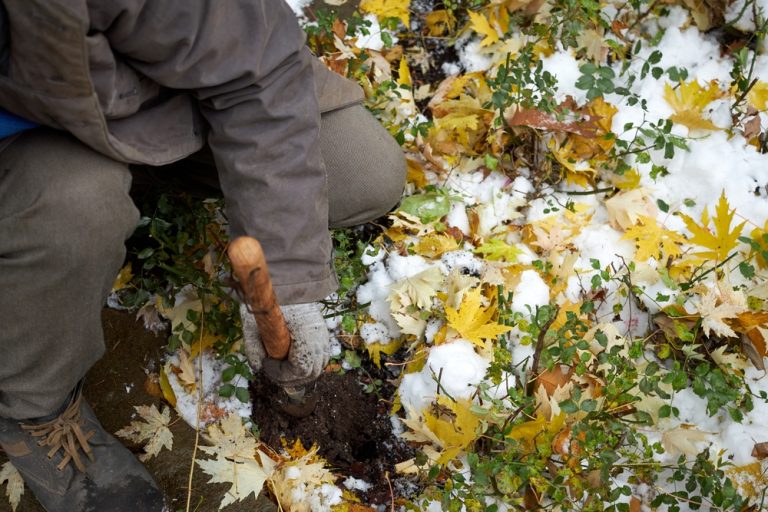
That first chilly weather forecast can send gardeners racing outside with pruners, buckets, and a vague feeling that everything needs to be finished immediately. Fortunately, most fall garden chores aren’t nearly that urgent, but a handful of garden jobs before first frost really do deserve priority because freezing temperatures can damage tender plants, ruin produce,…
Should You Leave Fallen Leaves on the Lawn? Yes and No
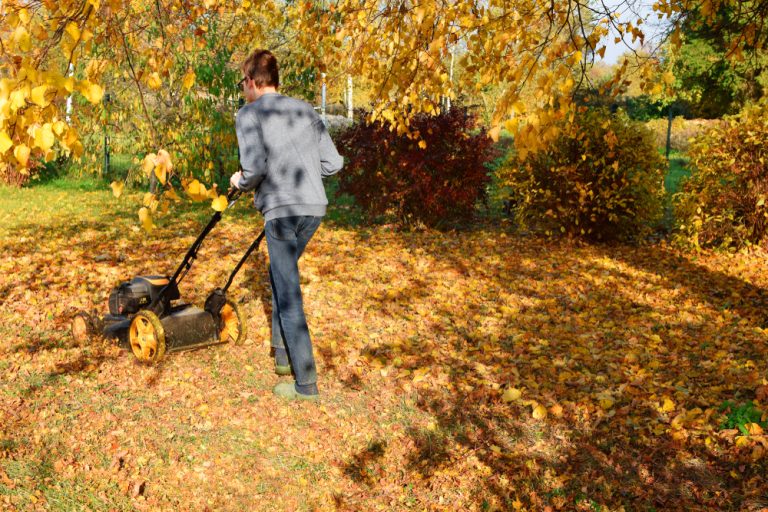
For years, the standard fall routine was simple: rake every leaf, stuff the pile into bags, and make the lawn look as though autumn never happened. Now gardeners are increasingly told to “leave the leaves,” which sounds wonderfully easy until a thick layer of wet maple leaves is plastered across the grass. The truth is…
Don’t Bag Those Fall Leaves — They Could Replace 3 Things You Pay for in the Garden
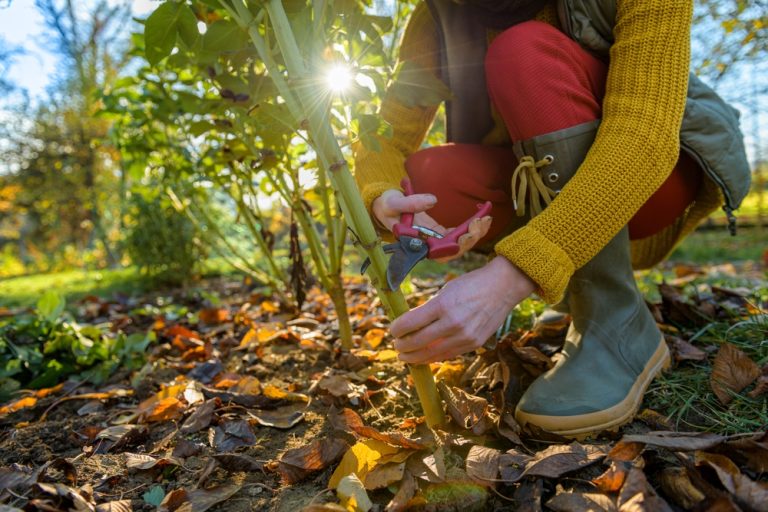
Every fall, homeowners rake up something useful, stuff it into bags, haul it away, and then head back to the garden center a few months later to buy products that do many of the same jobs. Fallen leaves aren’t simply yard debris; they’re a free source of organic material that can protect soil, suppress weeds,…
Can You Grow an Avocado Tree From the Pit — And Will It Ever Produce Fruit?
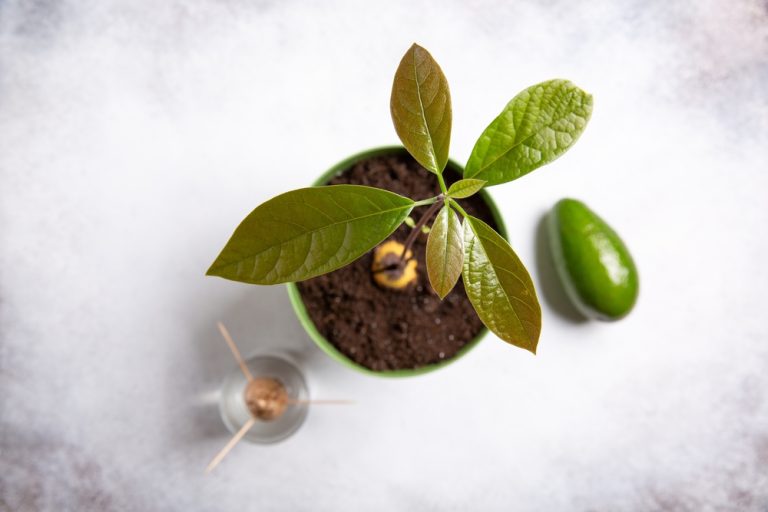
You finish an avocado, look at the enormous pit left on the cutting board, and wonder why you’d throw away something that appears perfectly capable of becoming another plant. The good news is that growing an avocado tree from a pit really does work, and you don’t need an expensive propagation kit to try it….
The $30 Perennial Is Now $8 — Can You Plant It This Late?
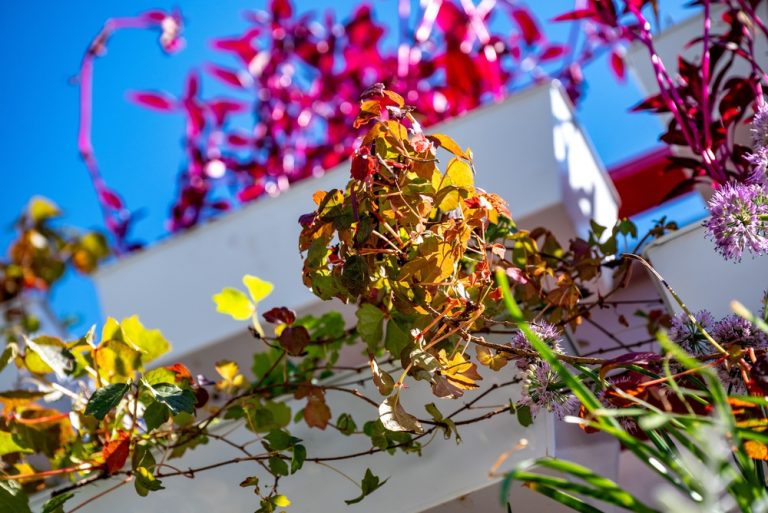
The garden center’s clearance table can become dangerously tempting in fall: that perennial you refused to pay $30 for in May is suddenly wearing an $8 sticker. Saving $22 sounds like a fantastic gardening win, but planting clearance perennials in fall only saves money if the plant survives long enough to return next spring. Fall…
Stop Fertilizing These Plants Before Winter — You May Be Encouraging the Wrong Growth
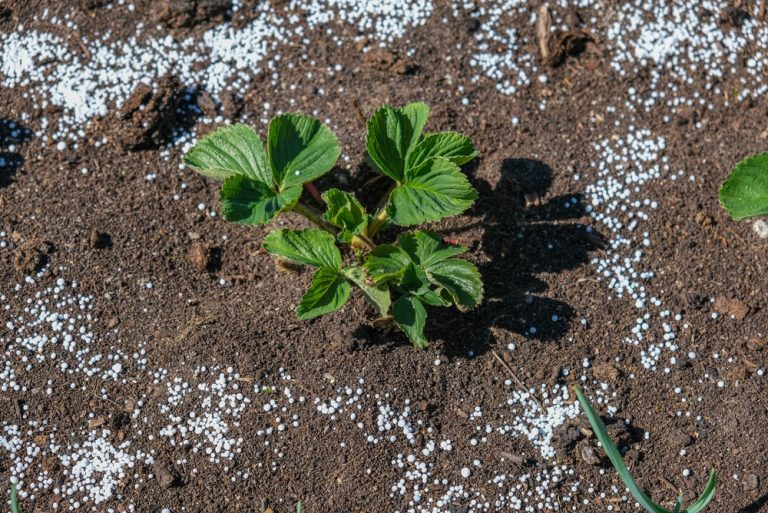
It seems logical that giving plants one final meal before winter would help them survive the cold, but the opposite can happen when fertilizer encourages growth at exactly the wrong time. As days shorten and temperatures fall, perennial and woody plants begin hardening off, a process that prepares living tissue to withstand winter conditions. Penn…
A $5 Bag of Garlic Could Become a Garden Full of It — Here’s When to Plant
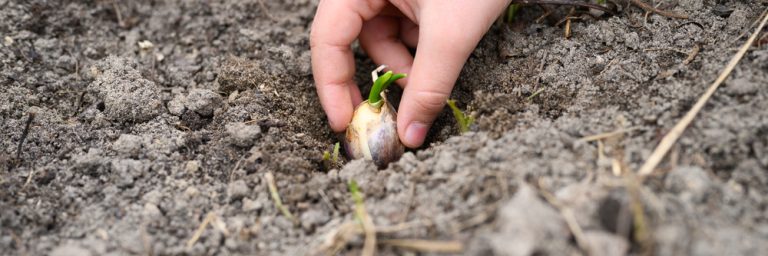
A bag of garlic looks like groceries, but biologically, you’re also looking at a surprising amount of potential planting material. Each bulb separates into individual cloves, and each healthy clove can potentially grow into an entirely new bulb, making planting garlic in fall one of the more satisfying ways to turn a small amount of…