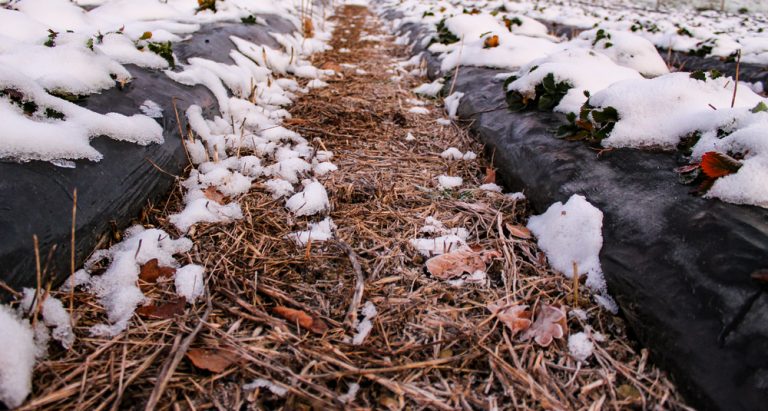
When cold weather arrives, gardeners often reach for extra mulch with a simple assumption: if a little insulation is good, a thick blanket must be better. Unfortunately, piling on too much can create its own problems, from trapping excessive moisture to reducing the oxygen reaching plant roots. The ideal winter mulch depth also isn’t identical…
garden tips
Why Raking Leaves Off the Lawn Still Matters
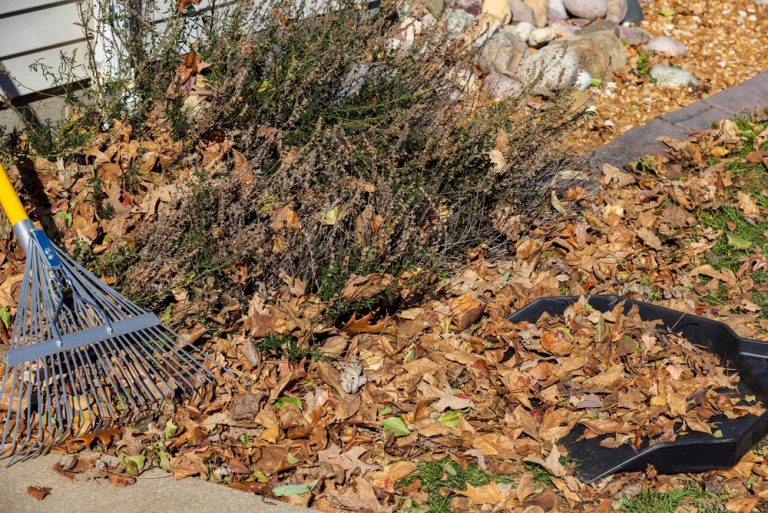
“Leave the leaves” has become popular garden advice, and there are good reasons not to send every fallen leaf to the landfill. Leaves provide organic matter, nutrients, mulch, and habitat, so the old idea that every yard should be spotless by November deserves reconsideration. But your lawn is one place where the advice needs some…
Why Cannas Need Special Care Before Winter Storage
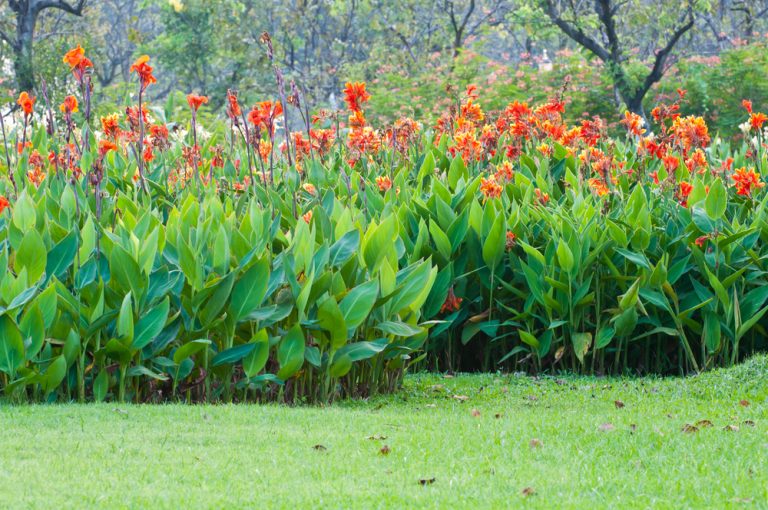
Cannas can make an ordinary garden look tropical all summer, with huge leaves and brightly colored flowers that sometimes continue until frost. The problem arrives when temperatures plunge, because these heat-loving plants aren’t equipped to handle frozen ground in colder climates. Their underground rhizomes can be saved and replanted, however, which means a little fall…
How to Lift and Store Dahlia Tubers Before Freezing Weather
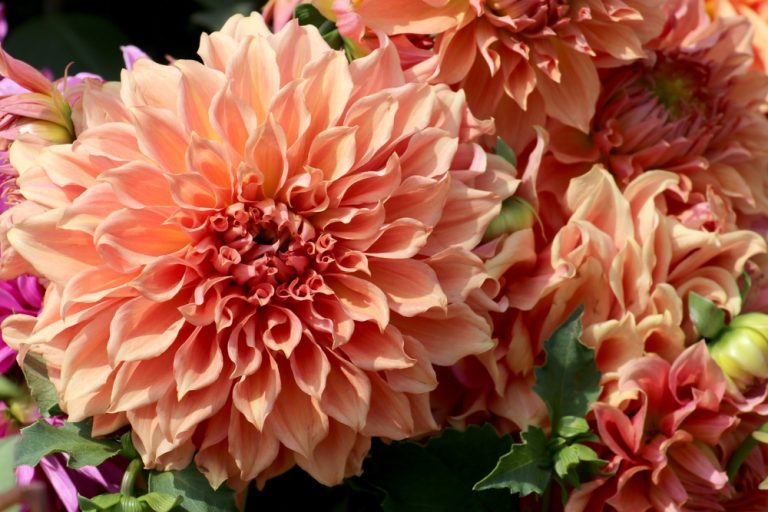
Dahlias can bloom spectacularly right into fall, which makes it painful to watch freezing weather turn a thriving plant black almost overnight. The flowers may be finished, but the valuable part of the plant is still underground: the cluster of tubers capable of producing next year’s plants. In colder climates, those fleshy tubers generally can’t…
The Right Way to Cut Back Hostas After Frost
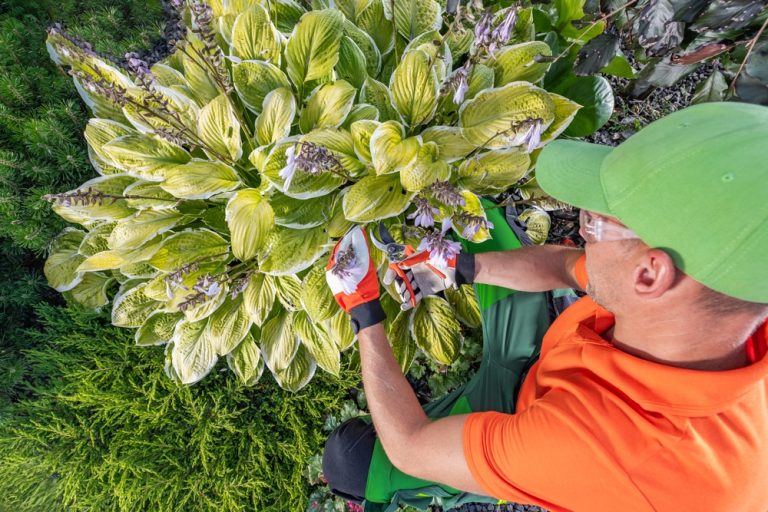
Hostas put on one of the best foliage displays in a shade garden all summer, but they aren’t particularly attractive once cold weather arrives. After a hard frost, those broad green leaves can quickly collapse into a yellow, brown or slimy mass lying over the soil. That’s normal: hostas are herbaceous perennials that go dormant…
Why Some Perennials Should Be Left Standing Through Winter
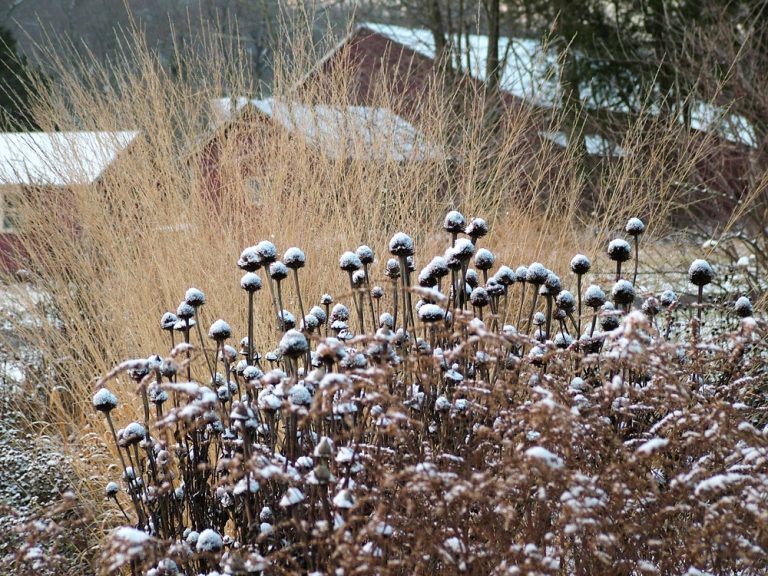
When the first hard frost turns a perennial garden brown, grabbing the pruners can feel like the obvious next step. But those dead-looking coneflowers, asters, and ornamental grasses may still be doing important work long after their flowers disappear. Standing stems can shelter overwintering insects, seed heads can feed birds, and dried plants can give…
How to Divide Daylilies Before the Ground Gets Too Cold
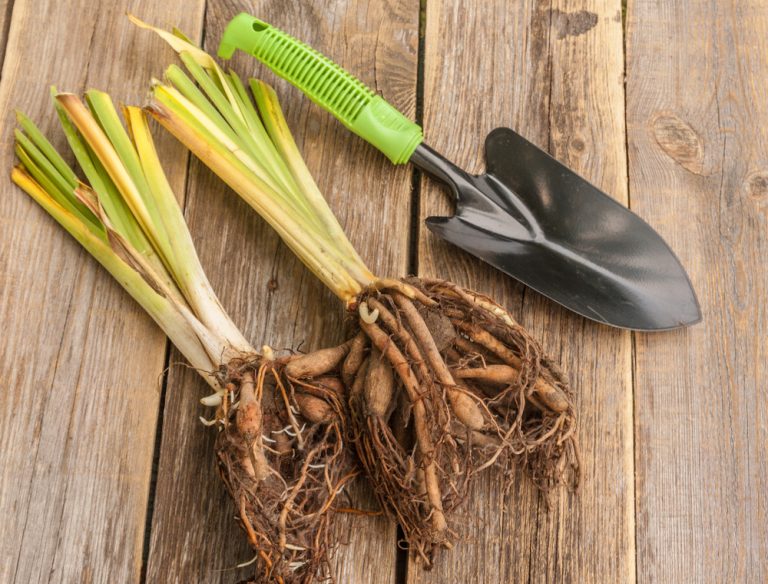
Daylilies have a way of quietly taking over a flower bed. A plant that once produced an attractive mound of foliage can eventually become a dense clump with fewer flowers in the center, signaling that it may be time for some attention. Dividing an established plant rejuvenates the planting while turning one daylily into several…
The Best Cover Crops to Sow Before Winter Arrives
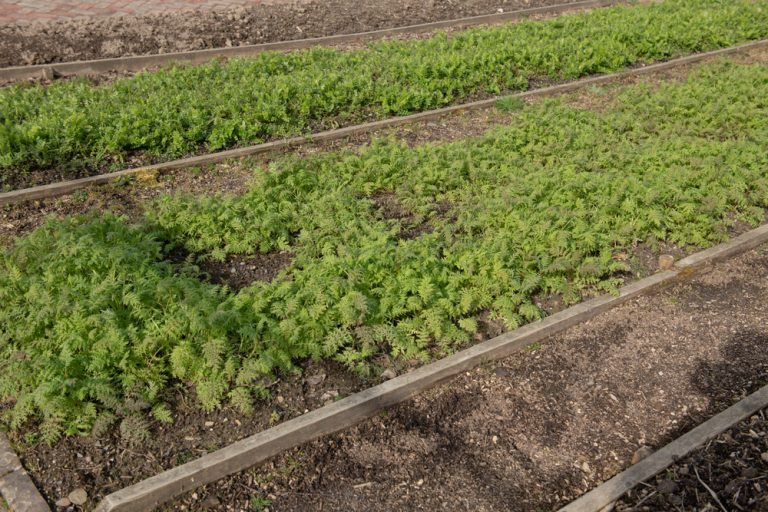
Once the tomatoes, peppers, and squash come out, an empty vegetable bed can look like it’s finished working until spring. In reality, bare soil can lose nutrients, erode during heavy rain and give winter weeds plenty of open territory, while planting winter cover crops can keep that same soil protected for pennies per square foot….
Fall Soil Testing Steps That Make Spring Planting Easier
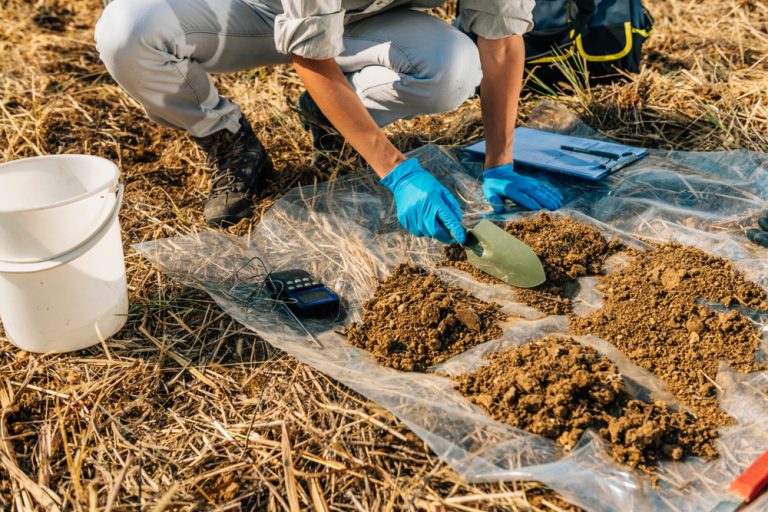
Spring garden centers have a way of convincing us that our soil desperately needs another bag of something. Fertilizer, lime, compost, sulfur and specialty amendments can quickly turn a simple vegetable bed into an expensive project, especially when you’re guessing about what the soil actually needs. Fall soil testing replaces much of that guesswork with…
What to Do With Tomato Plants After the Final Harvest
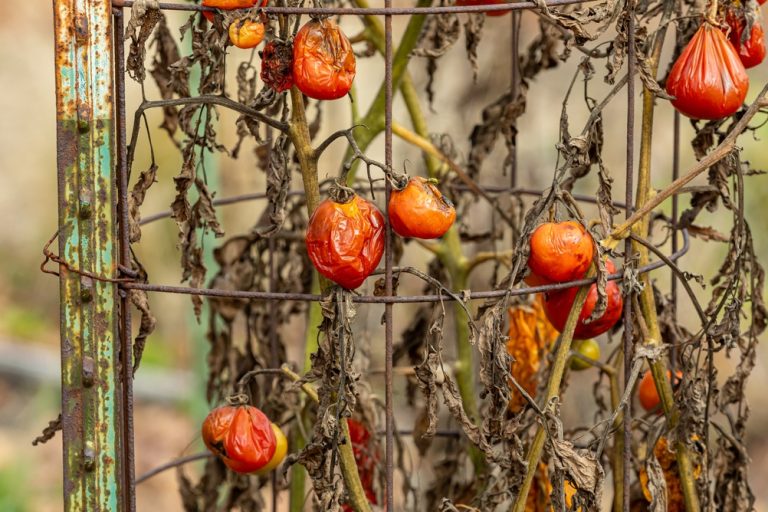
That last tomato may be off the vine, but your tomato season isn’t quite finished. What you do with those tired, brown plants now can affect disease pressure, garden cleanup, and even where you should plant next year’s crop. Simply leaving old vines sprawled across the bed until spring may allow infected plant debris to…