If growing a garden sounds like trying to decode an alien language, take a deep breath and relax—gardening doesn’t have to be complicated. In fact, some plants practically raise themselves while giving you the satisfaction of watching life sprout under your care.
First-time gardeners often fear failure, but the truth is that Mother Nature is remarkably forgiving. With the right picks, even the most nervous novice can enjoy fresh herbs, vibrant flowers, and crunchy vegetables without turning into a full-time horticulturist. The trick lies in starting simple and choosing plants that don’t demand constant attention, exact temperatures, or a green thumb you haven’t grown yet.
1. Lettuce Take It Easy
Lettuce deserves its spot at the top because it grows fast, forgiving, and actually encourages you to experiment. Plant it in a container, a raised bed, or even a sunny windowsill if outdoor space feels intimidating. You can sow seeds directly into soil and watch them sprout in less than two weeks, which makes it instantly gratifying.
Harvesting is flexible; you can clip leaves as you need them rather than uprooting the entire plant. Lettuce loves consistent moisture, so water it lightly but frequently, and watch it reward you with crisp, flavorful leaves that transform sandwiches and salads.
2. Basil—Your Flavorful Friend
Basil doesn’t just smell heavenly—it actively boosts confidence in beginner gardeners because it responds so well to care. It thrives in pots on sunny windowsills or balconies and grows quickly if you pinch the tips regularly. Harvest leaves frequently, and the plant rewards you with new growth rather than sulking.
Avoid overwatering, though; basil prefers slightly dry soil over soggy conditions. Pair it with tomatoes in dishes or simply tear it over fresh mozzarella, and suddenly, your homegrown efforts taste gourmet without stress.
3. Cherry Tomatoes That Smile Back
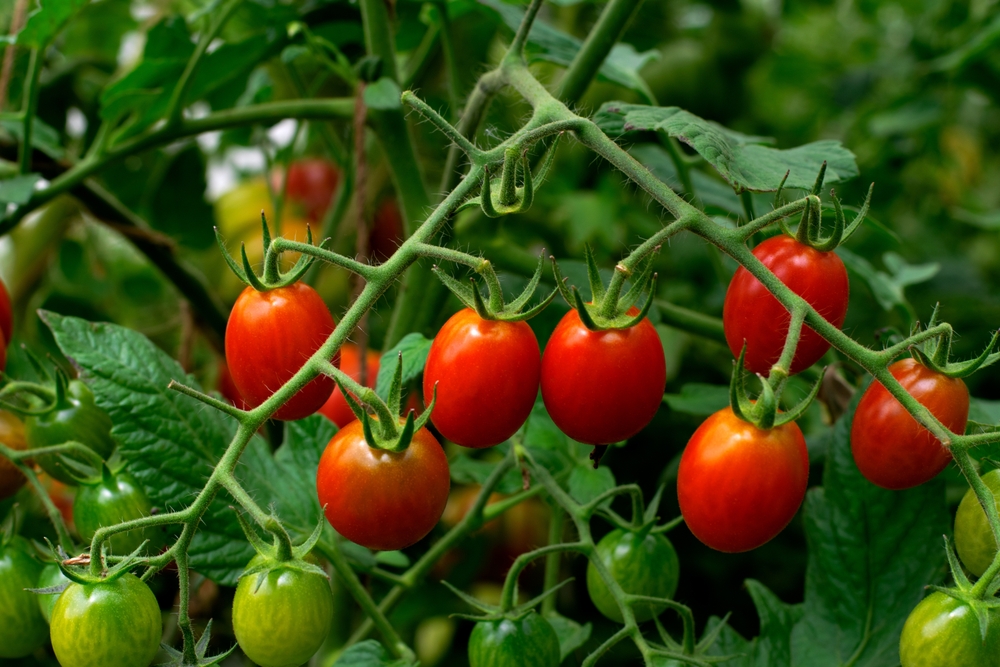
Cherry tomatoes are surprisingly forgiving, which is why they rank high for anyone learning the ropes. Start with small containers or hanging baskets and pick a sunny spot, as they need at least six hours of sun per day.
Water consistently and use stakes or cages to support the vines, and you’ll be rewarded with a rainbow of vibrant, bite-sized fruit. Pruning isn’t mandatory, but removing the lower leaves can help airflow and reduce disease risk. These little bursts of red flavor provide instant gratification, especially when eaten right off the vine.
4. Radishes That Pop
Radishes grow so quickly that even impatient gardeners can enjoy results in under a month. They don’t need rich soil or elaborate care, just well-draining dirt and steady moisture. Sow them in rows or scatter seeds in a container, thin them as they sprout, and watch them develop their signature spicy crunch.
Their short growth cycle makes them ideal for learning about germination and harvesting without feeling overwhelmed. Plus, the bright red and pink bulbs add a little flair to salads and plates.
5. Mint—A Wildly Friendly Herb
Mint is basically the plant version of a loyal friend: resilient, fast-growing, and impossible to ignore once it sets root. It spreads rapidly, which makes it great in containers to prevent it from taking over a garden bed. You’ll quickly discover how satisfying it is to pluck fresh leaves for tea, cocktails, or simple garnishes.
Mint enjoys partial sunlight and tolerates a variety of soil types, forgiving even a bit of neglect. The aroma alone makes your garden feel alive, and the risk of killing it is minimal—unless you actively try to.
6. Green Beans That Work Hard
Green beans deliver consistent success because they thrive in both garden beds and containers. They love sun, soil that drains well, and occasional watering, yet they aren’t fussy. Some varieties climb, making them perfect for trellises and vertical gardening, while bush varieties stay compact and manageable.
Regular harvesting encourages the plants to produce more, giving you a seemingly endless supply. The satisfaction of snapping beans straight from the vine is immediate, and it’s hard to overcomplicate such a straightforward plant.
7. Sunflowers—Instant Sunshine
Sunflowers aren’t just cheerful; they’re shockingly easy to grow, even for someone who has never touched a seed before. Scatter seeds in well-draining soil and watch them pop up tall and bold with minimal effort. They thrive in full sun, and some varieties even flower in less than two months.
Their height and bright faces create instant drama in a garden, teaching a beginner the joy of ornamental planting alongside edible options. Sunflowers also attract pollinators, adding a lively buzz to your outdoor space.
8. Zucchini—A Generous Grower
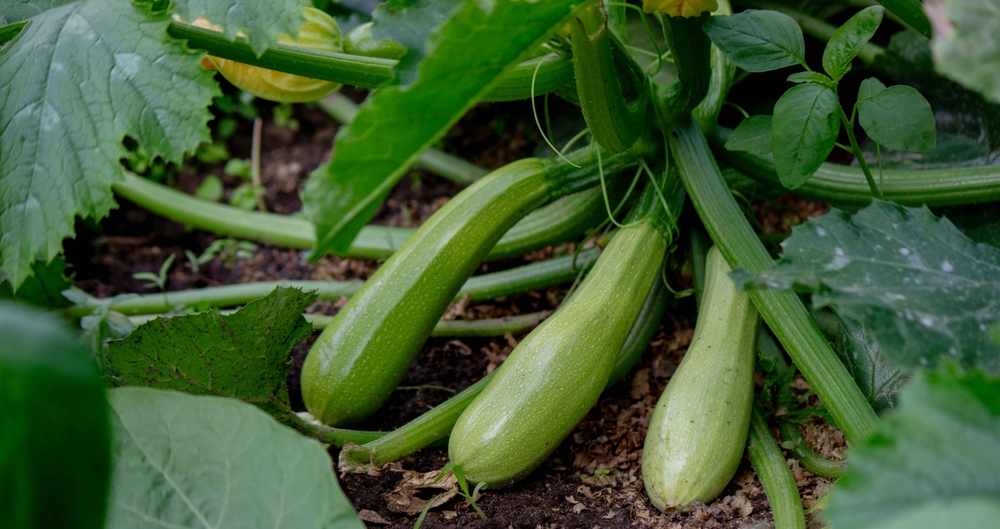
Zucchini is practically a superhero among beginner vegetables because it produces massive harvests with minimal care. Plant seeds in fertile, well-draining soil and give them plenty of sun, and you’ll soon have sprawling plants with abundant fruit. Pollination matters, so a garden buzzing with bees helps, but even hand-pollination isn’t complicated.
Water at the base to avoid mildew, and harvest often; zucchini grows fast, and leaving it too long can make it tough. The reward of baking fresh bread, grilling, or tossing it into pasta makes the effort feel extraordinary without being stressful.
9. Aloe Vera—The Low-Maintenance Healer
Aloe vera earns its place because it thrives on neglect in ways most plants cannot. Perfect for windowsills or indoor spaces with indirect sunlight, aloe survives occasional forgetfulness on watering. Its fleshy leaves store water, so the plant rarely sulks even if you miss a day or two.
Aloe provides instant practical benefits; break off a leaf to soothe minor burns or skin irritations. Caring for aloe teaches patience and observation, as you’ll notice it growing steadily without demanding attention or fancy fertilizers.
The Joy of Getting Started
The best lesson from these plants is simple: gardening doesn’t require perfection, just curiosity and consistency. Each success builds confidence, and the variety of textures, flavors, and colors keeps the journey exciting. Starting small with easy plants creates momentum, encouraging experimentation with new varieties, arrangements, and techniques.
Which of these plants would you try first, and what would your garden look like once they all take root? If you have advice for new gardeners, feel free to drop it all in the comments below.
You May Also Like…
8 Easy Seed-Starting Setups Using Stuff You Already Own
Indoor Avocado Plant Care Made Easy: Tips for Thriving Avocado Trees at Home
Garden Smart, Spend Less: 6 Easy and Affordable Gardening Tips
Fire Officials Say This Garden Tool Storage Mistake Is Causing Dangerous Shed Fires
Why January Is Ideal for Planning Companion Planting

Brandon Marcus is a staff writer for FrugalGardening.com at District Media, Inc., where he delivers practical gardening advice with a relatable, no-nonsense style. An avid amateur gardener, he holds a BA degree and with over ten years of professional writing experience, he is also an award-winning published author whose first book, Questions For Deep Thinkers, was released by Adams Media. His work has appeared in major publications including Fandom.com, CHUD.com, TheColdWire.com, and Fansided.com.
Leave a Reply