Have you ever looked at your kitchen scraps and thought, “This could actually grow something amazing”? Most people toss their vegetable peels, coffee grounds, and eggshells straight into the trash, but those tiny remnants hold the potential to become the secret sauce for a lush, thriving garden.
Zero-waste gardening isn’t just about saving money or being eco-friendly; it’s about seeing opportunity in the things we usually overlook. From leftover food to old containers, every item has a second life waiting to be discovered. These 12 zero-waste gardening ideas will transform your approach to plants, soil, and even your backyard aesthetic, turning scraps into resources that make your garden flourish while shrinking your footprint.
1. Grow Greens from the Scraps You Eat
Many vegetables can regrow from the scraps we usually throw away. Green onions, celery bases, and romaine hearts often have enough life left to sprout again when placed in a shallow dish of water. The magic happens as roots form and leaves start shooting upward, creating an endless cycle of fresh produce.
You can even experiment with carrots and beets by planting the tops directly in soil—they develop leafy greens that you can cook with while the root grows. This method not only stretches your grocery budget but also gives a sense of accomplishment watching what you thought was waste turn into actual food. It’s gardening with instant gratification, plus a little twist of clever sustainability.
2. Compost Like a Pro Without the Smell
Creating a compost pile is one of the most straightforward zero-waste techniques, but many people fear it will turn their yard into a stinky mess. The key is balancing green materials like vegetable scraps with brown materials such as dried leaves, shredded newspaper, or cardboard. Turn the pile regularly, keep it slightly damp, and you’ll generate rich, earthy compost perfect for nourishing your garden beds.
Even if you lack a backyard, you can create a small worm bin indoors that transforms scraps into nutrient-packed castings. Composting is like a backstage pass to nature’s recycling system—it takes patience, but the payoff is soil that practically glows with life.
3. Coffee Grounds Are Gold in Your Garden
That morning cup of joe does more than wake you up—it leaves behind coffee grounds that act as a micro-nutrient powerhouse for your plants. Sprinkle them around acid-loving plants like tomatoes, blueberries, or azaleas to enhance soil structure and boost growth. The slightly gritty texture also deters slugs and snails without resorting to chemical sprays.
Even if you don’t drink coffee, local cafes often give grounds away for free, letting you recycle someone else’s caffeine habit into your own garden gold. Using coffee grounds bridges convenience and sustainability in a way few other scraps can match.
4. Eggshells: Tiny Armor for Plants
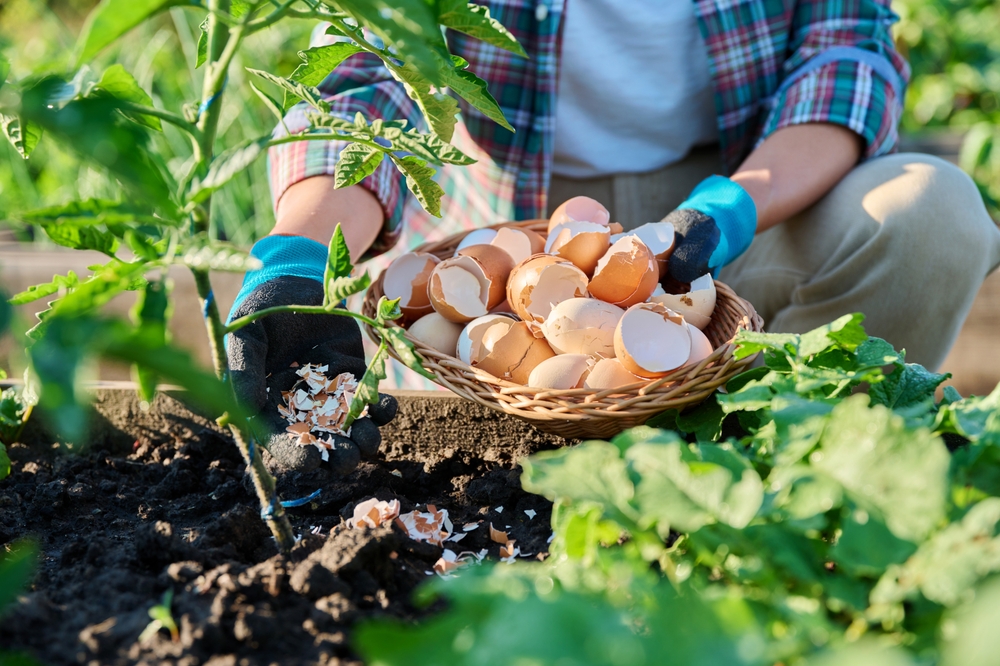
Eggshells don’t just vanish—they crack open a world of benefits. Rinse and crush them to sprinkle around seedlings to deter pests like slugs. As they decompose, they release calcium into the soil, preventing blossom end rot in tomatoes and peppers.
You can even mix the crushed shells into your compost for a gentle nutrient boost. This approach turns what’s normally trash into an invisible shield and a health supplement for your plants, proving that even the tiniest scraps can carry huge potential.
5. Old Containers Become Planters with Character
Forget buying plastic pots—your garden can thrive in containers that had entirely different lives. Tin cans, yogurt cups, broken teapots, and even old shoes can serve as quirky planters. Drill a small hole for drainage, add soil, and fill with herbs or flowers, creating a playful and unique garden display.
This strategy keeps waste out of landfills and gives your space a touch of personality that standard pots can’t match. Plus, repurposing containers forces you to think creatively about how items around your home can serve a second purpose.
6. Newspaper and Cardboard: Mulch Your Way to Healthier Soil
Sheets of newspaper and cardboard aren’t just for recycling—they make excellent mulch that suppresses weeds, retains moisture, and enriches soil as they break down. Layer them under leaves or compost, wet them down, and cover with a layer of soil or mulch to prevent them from blowing away.
This method reduces the need for chemical weed killers and keeps your garden beds tidy with minimal effort. It’s a subtle but powerful way to turn everyday paper products into a vital component of a thriving ecosystem.
7. Reuse Water to Reduce Waste and Boost Growth
Watering your garden doesn’t need to drain your resources. Collect leftover water from boiling vegetables, washing fruits, or even rainwater to feed your plants. This practice recycles water that would otherwise go down the drain and adds nutrients your plants will happily absorb.
It’s not just practical—it’s a reminder that sustainability doesn’t have to be complicated. Every time you reuse water, you’re teaching yourself to see hidden value in the ordinary.
8. Banana Peels: A Hidden Fertilizer
Banana peels are more than compost fodder—they’re concentrated fertilizer packed with potassium, phosphorus, and calcium. Chop them up and bury them near the base of flowering plants or fruit trees to encourage stronger roots and blooms.
You can also blend them into a nutrient-rich “banana tea” by soaking pieces in water and pouring the liquid onto your garden beds. It’s a zero-cost, highly effective way to boost plant vitality while cutting down on chemical fertilizers.
9. Citrus Scraps as Pest Deterrents
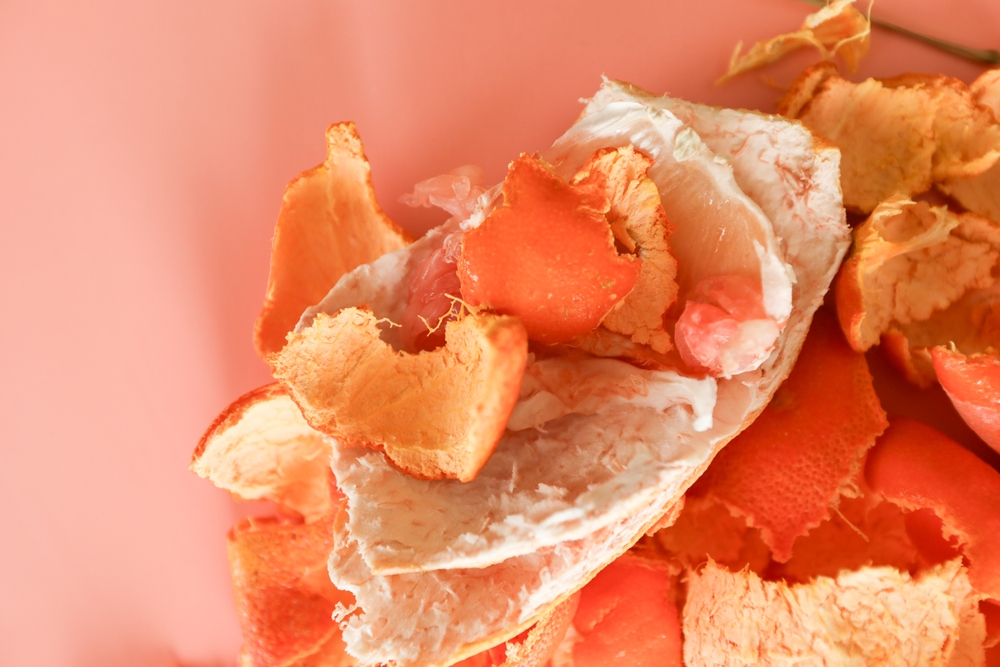
Orange, lemon, and grapefruit peels contain oils that repel ants, aphids, and other common pests. Scatter the peels around the garden or chop them finely and mix them into compost for a dual-purpose approach.
Beyond keeping pests away, citrus scraps slowly decompose, adding small but beneficial nutrients to your soil. This natural approach reduces the need for synthetic pesticides and turns something you’d normally toss into a protective shield for your garden.
10. Repurpose Fabric Scraps for Garden Protection
Old clothes, towels, or sheets can serve as plant protectors, frost covers, or temporary shade during heat waves. Cut and drape them over vulnerable plants to reduce sunburn or frost damage.
Fabric scraps also help prevent soil erosion on slopes and keep young seedlings safe from strong winds. This tactic maximizes the usefulness of textiles that might otherwise end up in a landfill while giving your garden practical, flexible protection.
11. Broken Pots: Create Mini Greenhouses
Shattered terracotta or clay pots can find a second life as mini cloches for seedlings. Turn the largest shards upside down over young plants to trap warmth and moisture, accelerating growth.
You can even combine multiple pieces to construct creative, low-cost cold frames. Instead of seeing broken pottery as a setback, view it as an opportunity to extend your growing season and experiment with microclimates right in your backyard.
12. Wooden Scraps Become Support Structures
Leftover wooden planks, sticks, or old pallets make excellent trellises, plant supports, and raised bed frames. Stack, tie, or nail them together to provide stability for climbing plants like beans, peas, or cucumbers.
Wood naturally decomposes over time, enriching the soil in the process. Using materials you already have saves money and reduces demand for new lumber while giving your garden an organic, handcrafted aesthetic that store-bought structures rarely match.
Transforming Waste Into Growth
Every peel, shard, and leftover has the potential to create life, beauty, and abundance in your garden. Zero-waste gardening isn’t just about being green—it’s about cultivating creativity, resilience, and a sense of connection with the natural cycle. The scraps you once discarded now serve as building blocks for health, aesthetics, and sustainability, proving that thoughtful gardening turns even the simplest items into treasures.
What’s the most unusual scrap you’ve successfully transformed into a garden wonder? Share your experiments and ideas in the comments below.
You May Also Like…
6 Kitchen Scraps That Enrich Soil Best in Autumn
How to Use Grocery Scraps to Grow a Second Harvest
These 5 Kitchen Items Are Secretly Contaminating Your Garden Soil
How to Create an Endless Food Supply from Your Kitchen Waste
Baby Boomers Rejoice! Discover How to Create a Lush Garden with Just Your Kitchen Scraps!

Brandon Marcus is a staff writer for FrugalGardening.com at District Media, Inc., where he delivers practical gardening advice with a relatable, no-nonsense style. An avid amateur gardener, he holds a BA degree and with over ten years of professional writing experience, he is also an award-winning published author whose first book, Questions For Deep Thinkers, was released by Adams Media. His work has appeared in major publications including Fandom.com, CHUD.com, TheColdWire.com, and Fansided.com.
Leave a Reply