Gardening used to be a simple matter of dirt, sun, water, and patience. Now, it’s a full-on social media spectacle, with hacks popping up faster than seedlings in spring. From coffee grounds to crushed eggshells, every new trick promises to transform your garden overnight.
But not every hack delivers the magic it claims, and some of these viral techniques are quietly sabotaging the very soil they aim to improve. If you want your plants to thrive without trading long-term health for a temporary boost, pay close attention to what works, what doesn’t, and why some “tricks” might actually set your garden back.
1. Coffee Grounds Aren’t Just for Caffeine Addicts
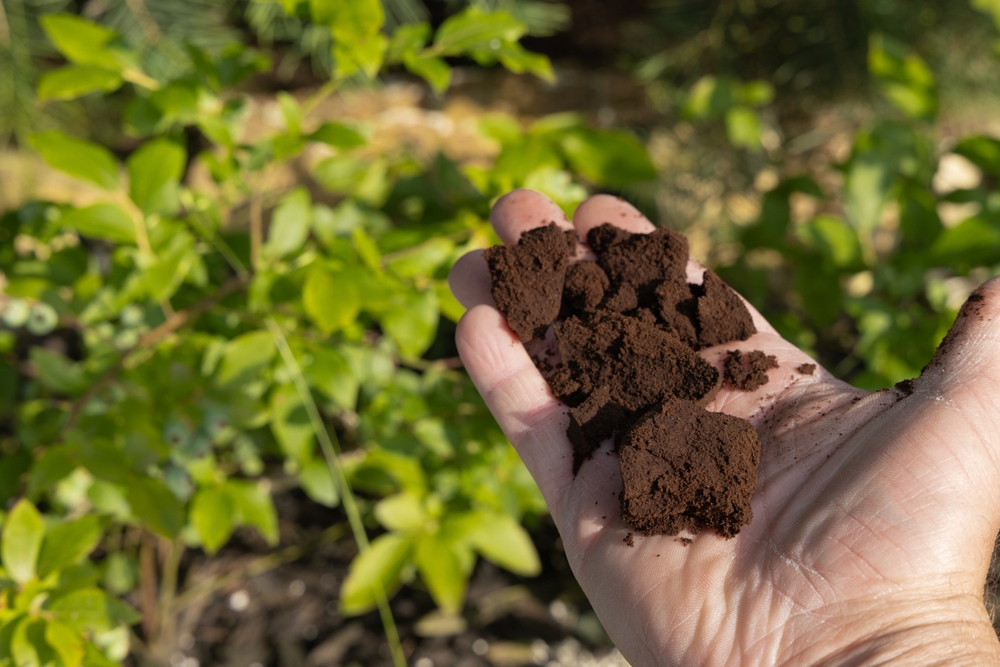
Sprinkling used coffee grounds on your garden has gone from quirky barista habit to full-on viral trend. It’s true that coffee grounds can add nitrogen to the soil, which is crucial for leafy growth, but there’s a catch. Too much can shift the soil pH toward acidic levels, especially if your garden already favors neutral or alkaline soil.
Plants that love acid, like tomatoes and blueberries love this, but lettuce and kale might sulk instead. Experts recommend mixing coffee grounds into compost rather than sprinkling them directly. That way, the nutrients balance out, microorganisms thrive, and your soil won’t end up chemically off-kilter.
2. Eggshells: Crunchy Fertilizer or a Misstep?
Crushed eggshells have become the go-to hack for calcium-loving gardeners. The idea makes sense: calcium prevents blossom end rot in tomatoes and peppers. The problem? Raw eggshells break down very slowly, which means the calcium doesn’t become available to your plants for months.
Crushing them finely and baking them slightly speeds things up, but sprinkling shells directly on soil doesn’t create instant magic. A smarter move is to blend them into your compost, or grind them into a powder to mix with your soil. This method gives plants the nutrients they need without leaving an unattractive crunch underfoot.
3. Plastic Bottles and Self-Watering: Convenience Comes With a Price
Cutting plastic bottles to make self-watering planters sounds brilliant—and for some plants, it works—but overreliance on this hack can create unintended soil issues. Constant water saturation changes soil structure, reducing aeration and encouraging fungal growth.
Roots need oxygen as much as water, and compacted, overly wet soil stresses plants in ways that aren’t obvious until yellowing leaves appear. A better approach combines drip irrigation with well-draining soil. That way, you get consistent moisture without suffocating the roots.
4. Mulch Like a Pro, Not a Trend Follower
Mulching with anything that’s trending—think dyed wood chips or colored rubber—can look fabulous, but experts warn that aesthetics should never trump soil health. Organic mulches like straw, shredded leaves, or bark improve soil structure, retain moisture, and feed beneficial organisms as they break down.
Inorganic or chemically treated mulches may repel insects that are actually helpful and can introduce toxins into the soil. Layering organic mulch in a two- to four-inch blanket keeps weeds in check and encourages microbes that turn nutrients into plant food.
5. Vinegar: The Weed Warrior With Limitations
Vinegar is the new DIY weed killer, touted as “natural” and harmless. Reality check: vinegar kills weeds by desiccating them, but it also damages surrounding soil microbes if used repeatedly in the same spot. Beneficial fungi and bacteria, essential for healthy soil ecosystems, can take a hit.
Instead of spraying indiscriminately, use vinegar on hard surfaces like paths or between pavers. For garden beds, manual weeding or targeted organic herbicides maintain balance while keeping your soil alive.
6. Banana Peels: Fast Track to Rich Soil
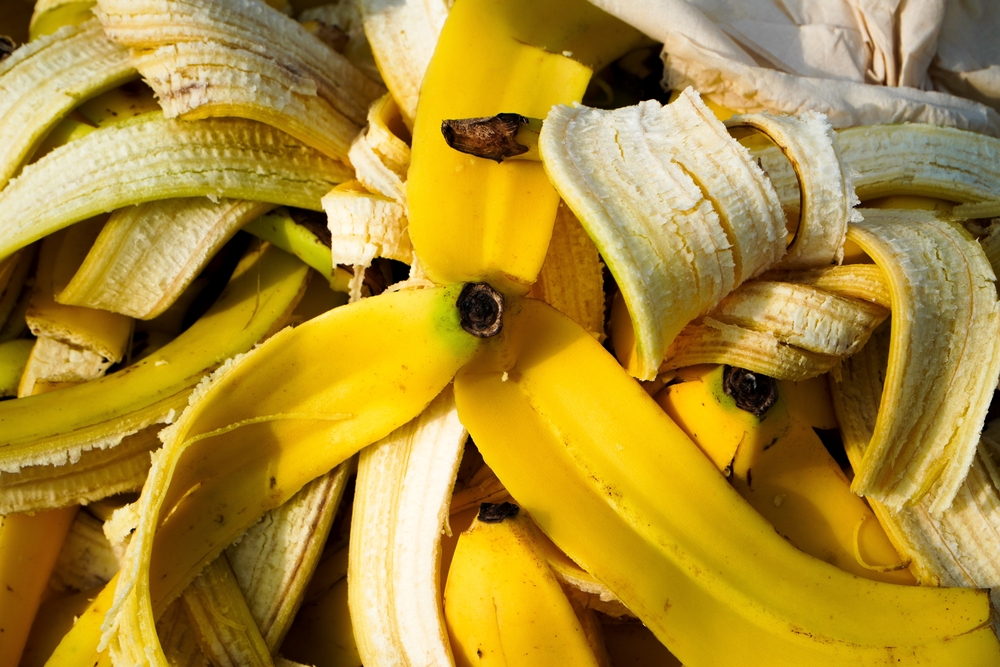
Banana peels have earned a cult following for supposedly providing instant potassium. They really do enrich soil, but experts caution that tossing whole peels directly on the garden surface invites pests before decomposition begins. Slice the peels thinly, chop them into compost, or bury them near plant roots to give nutrients time to integrate safely.
This approach ensures a slow release of potassium and phosphorous, helping plants thrive without unwanted visitors like raccoons, ants, or fruit flies.
7. Newspaper Layers: Cardboard Companion or Root Blocker?
Many gardeners swear by newspaper layers as a weed barrier. It works well if the sheets are thin, untreated, and layered under mulch. The problem arises when people pile thick, glossy papers, often with colored ink. These layers can repel water, smother soil life, and prevent root penetration.
Stick with black-and-white pages and avoid anything glossy or heavily coated. Shredded cardboard is another safe alternative, breaking down over time and feeding microbes that improve soil health.
8. Ice Cubes for Tomatoes: Cool Idea, Hot Risk
Dropping ice cubes into tomato pots is a viral hack meant to keep roots cool and moisture steady. Reality bites: sudden cold shocks can stress plant roots, slow growth, and reduce nutrient uptake. Tomatoes prefer consistent, moderate soil moisture at ambient temperatures.
A better hack is consistent watering at the base of the plant early in the morning. This technique mimics natural rainfall and supports strong root systems without thermal whiplash.
9. Epsom Salt: Magic Mineral or Overkill?
Epsom salt contains magnesium and sulfur, essential elements for plants. Viral posts often suggest generous sprinkling for every plant in the garden. Overdoing it backfires, leading to soil imbalances and nutrient lockout. Magnesium excess can compete with calcium absorption, weakening stems.
Use Epsom salt only for specific deficiencies, confirmed through soil testing, and dissolve it in water for even distribution. Precision matters more than popularity when it comes to chemical supplementation.
10. Companion Planting: Old Wisdom Meets Modern Buzz
Companion planting has become the Pinterest darling of garden hacks. Strategically placing basil near tomatoes or marigolds near beans genuinely works, promoting growth and deterring pests.
Unlike some trending hacks, this one enhances soil health by encouraging biodiversity. Planting flowers and herbs that support pollinators also ensures a robust ecosystem, translating to happier plants without artificial inputs. This is a trend worth copying because it actually delivers on its promises, quietly reinforcing soil vitality while warding off garden nuisances.
Viral Doesn’t Mean Victorious
The lesson? Not every trending hack benefits your garden long-term. Coffee grounds, vinegar, and ice cubes may seem harmless or even helpful in small doses, but overuse or misuse undermines the living soil beneath your feet. Soil health matters more than instant gratification; healthy soil creates resilient, productive gardens year after year. Mix, match, and experiment, but always prioritize techniques that build life beneath the surface, not just eye-catching results above it. Organic matter, consistent moisture, and balanced nutrient additions outperform viral fads every single time.
Have these garden hacks made you rethink your approach? Which ones have you tried or avoided, and what results did you see? Share your thoughts and experiences in the comments below.
You May Also Like…
10 DIY Cold-Frame Hacks for Winter Veggies
6 Leaf Mold Hacks for Healthier Soil
How Frugal Gardening Hacks Can Turn $5 Into a Blooming Oasis
Think Gardening Is Too Expensive? These Cheap Hacks Prove You Wrong
Rid Your Garden of These 7 Insects With These Hacks

Brandon Marcus is a staff writer for FrugalGardening.com at District Media, Inc., where he delivers practical gardening advice with a relatable, no-nonsense style. An avid amateur gardener, he holds a BA degree and with over ten years of professional writing experience, he is also an award-winning published author whose first book, Questions For Deep Thinkers, was released by Adams Media. His work has appeared in major publications including Fandom.com, CHUD.com, TheColdWire.com, and Fansided.com.
Leave a Reply