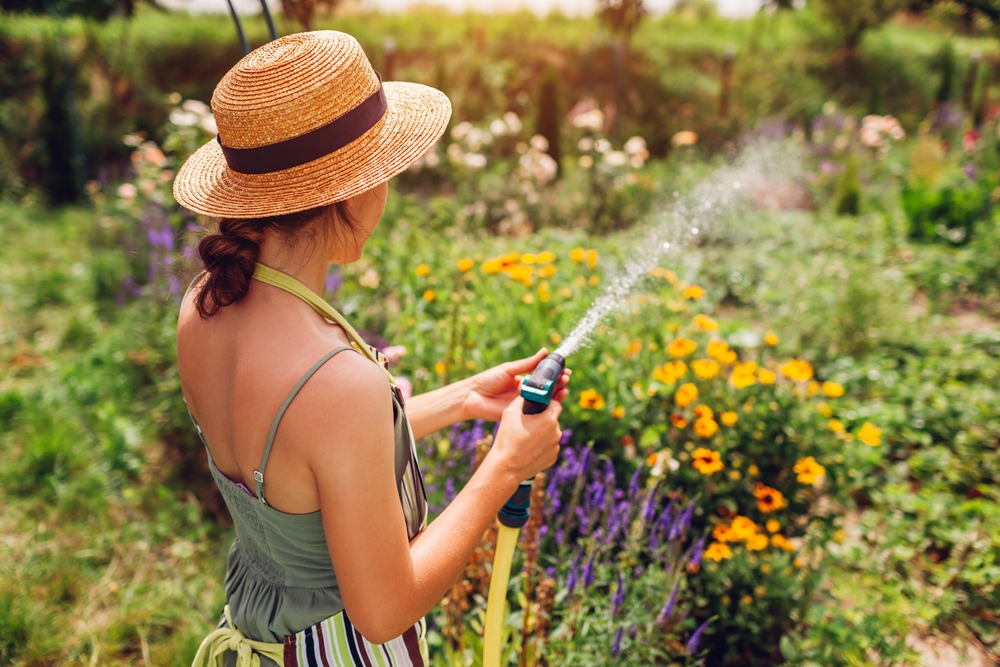
Do you ever think that your garden hose might be quietly sabotaging your soil? It sounds dramatic, but the truth is, many hoses contain chemicals that can leach into the ground, potentially affecting the plants you nurture and the food you grow.
Water may look harmless as it flows from a hose, but under the surface, a chemical story unfolds that gardeners rarely hear about. From plastics that degrade in the sun to residues from manufacturing, the very tool meant to nourish your garden could be doing more harm than good.
Plastic Perils: How PVC Hoses Could Be Polluting Your Plants
Most hoses you find at hardware stores are made from PVC, or polyvinyl chloride. On the surface, PVC seems perfect: flexible, inexpensive, and easy to handle. But PVC comes with chemical baggage. During production, manufacturers add plasticizers and stabilizers—compounds designed to make the hose flexible and durable. Under sunlight and heat, these chemicals can leach out. They don’t just vanish; they wash into your soil every time you water, potentially affecting soil quality and the microscopic life that keeps your garden healthy.
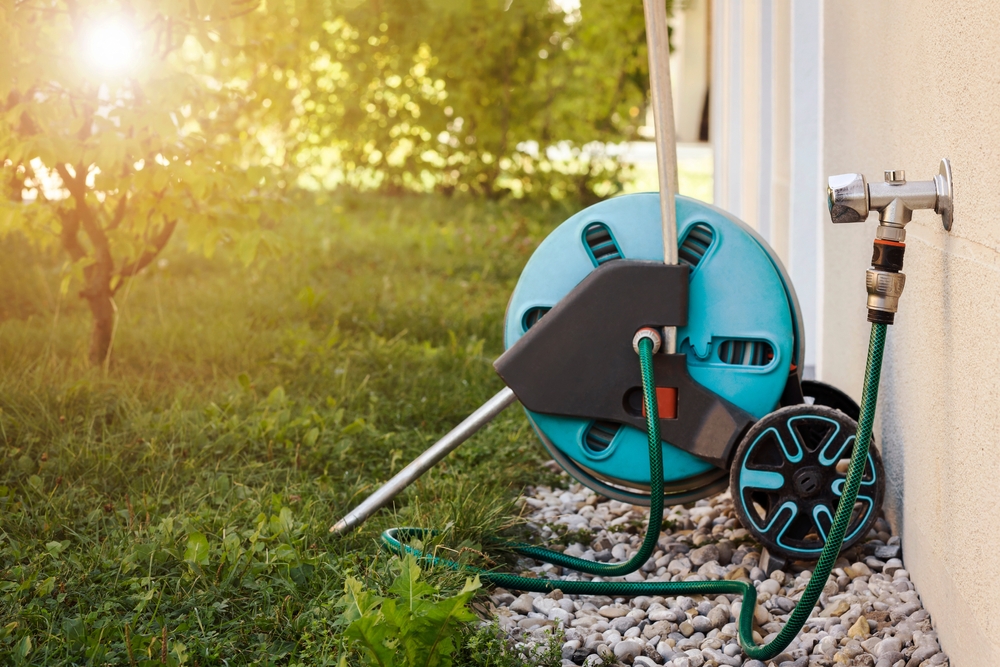
Switching to hoses labeled as “drinking water safe” can dramatically reduce your risk of chemical leaching. These hoses use materials that meet strict safety standards and avoid the additives commonly found in cheap PVC hoses. Even with safe hoses, avoid leaving them in direct sun for long stretches. Heat accelerates chemical migration, and a hose baking in summer sunlight will release more than one kept in the shade. Treat your hose like a garden investment, not just a functional tool.
Lead and Heavy Metals: Not Just a Thing of the Past
You might think lead contamination is ancient history, relegated to old paint and pipes, but it still pops up in garden hoses. Some low-quality hoses contain fittings or connectors with lead traces. When water runs through them, especially hot water, tiny amounts of lead can dissolve and seep into the soil. While most exposures are low, prolonged use can accumulate metals in your garden, particularly in raised beds or containers where soil volume is limited. Plants absorb some metals, and leafy greens or root vegetables might be more exposed than fruiting plants.
Choosing hoses with brass fittings instead of cheaper alloys, and hoses certified for potable water use, can drastically reduce this risk. Flushing new hoses thoroughly before the first use also helps. You don’t have to throw out the hoses you already own, but think of it like rinsing a mug before drinking: a small step upfront prevents bigger problems later.
Sunlight, Heat, and Chemical Migration: The Invisible Garden Enemy
Hoses sit outside, often coiled on hot pavement or exposed to the blazing sun. These conditions aren’t neutral—they actively change the chemical dynamics inside the hose. Heat increases the movement of additives and heavy metals from the hose material into the water, a process called chemical migration. The longer a hose bakes, the more your soil absorbs with every watering. Studies have measured measurable chemical leaching under realistic outdoor conditions. Even mild summer temperatures can trigger this effect, meaning your early morning watering might already carry tiny doses of unwanted compounds.
To mitigate this, store your hoses out of direct sunlight and uncoil them completely when using, which reduces hotspots. Consider watering during cooler parts of the day, which slows chemical migration.
Safe Alternatives: Materials That Don’t Compromise Your Garden
If the thought of chemical leaching makes you uneasy, you have options. Rubber hoses resist chemical migration and last longer in sun exposure. Silicone hoses are another option for gardeners willing to invest a bit more. Look for labels like “BPA-free” or “potable water safe,” and avoid hoses made with unverified plastics. Beyond material, consider the fittings: stainless steel or certified brass connectors outperform cheap metals.
Beyond just the hose itself, rethink watering methods. Soaker hoses and drip irrigation systems reduce direct contact between water and synthetic materials. They also conserve water and deliver it exactly where plants need it. Sometimes, a small upfront investment in safe tools translates into years of healthier soil and higher-quality produce.
Soil Health Isn’t Optional
Your soil isn’t just dirt; it’s a living ecosystem. Microbes, fungi, and tiny invertebrates interact with plants, affecting growth, nutrition, and resistance to pests. Introducing chemical residues, even in small amounts, can alter microbial communities and shift nutrient cycles. Eventually, soil can accumulate contaminants, potentially affecting everything from plant taste to food safety. A garden hose may seem trivial, but it’s a direct line from synthetic chemicals to a complex, sensitive system. Protecting soil health starts with awareness.
Regular testing of your soil can help identify heavy metal accumulation or pH shifts caused by chemical exposure. You don’t need a full laboratory; home testing kits provide a basic snapshot. Paired with safer watering tools, testing creates a feedback loop that keeps your garden resilient and thriving.
Your Hose Could Be More Than Just a Hose
When you next reach for the hose, remember it’s not just a conduit for water; it’s a potential vector for chemicals. Treat it like an ingredient in your gardening toolkit, not just a passive object. The choices you make—material, storage, watering times, and method—directly shape soil quality, plant health, and the safety of your homegrown food. Your garden deserves more than neglect in this area, and taking these steps ensures that every watering nurtures rather than undermines the ecosystem you’ve built.
Have you ever considered the hidden impact of your garden hose? What steps do you take to protect your soil from chemical exposure? Talk about it below in our comments section.
You May Also Like…
EPA Flags a Popular Garden Hose Brand for Leaching Chemicals Into Edible Crops
Vertical Gardeners Warned: These Popular Plants Are Failing in Winter Conditions
Are You Overwatering Plants Before They Even Go Outside?
8 Cold-Weather Watering Mistakes That Cause Winter Rot
Why Late Fall Watering Saves Roots From Damage

Brandon Marcus is a staff writer for FrugalGardening.com at District Media, Inc., where he delivers practical gardening advice with a relatable, no-nonsense style. An avid amateur gardener, he holds a BA degree and with over ten years of professional writing experience, he is also an award-winning published author whose first book, Questions For Deep Thinkers, was released by Adams Media. His work has appeared in major publications including Fandom.com, CHUD.com, TheColdWire.com, and Fansided.com.
Leave a Reply