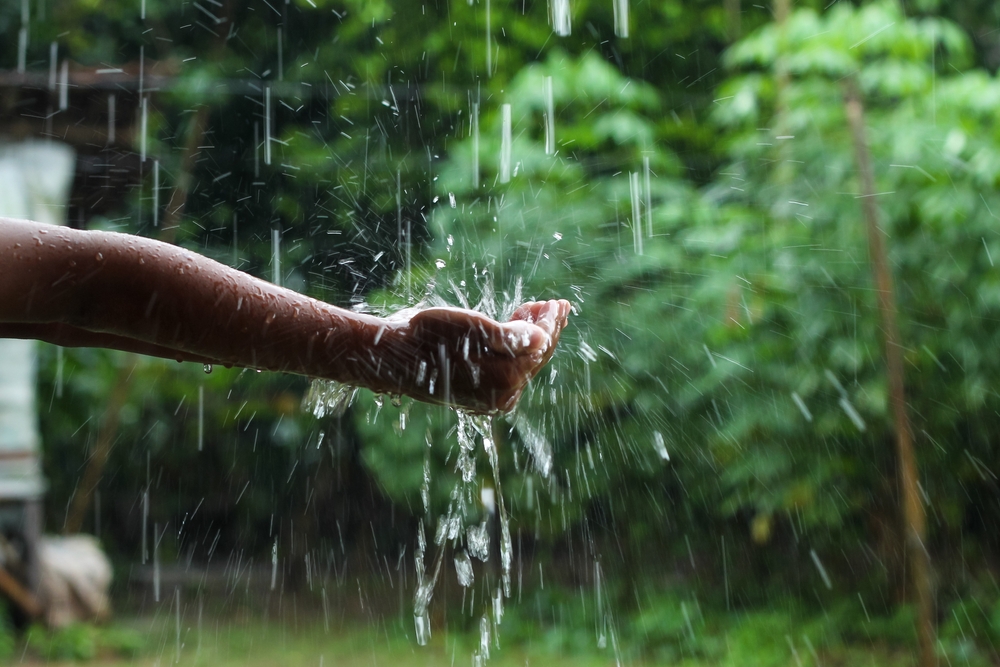
A garden can drink money as fast as it drinks water, especially during hot spells when hoses seem to run nonstop. A simple shift in how water gets collected and used can turn that constant expense into a surprisingly low-cost system that keeps plants thriving. Rainwater offers a free, steady resource that often runs right off roofs and disappears down drains. Smart gardeners know how to capture it and redirect it straight into healthier soil and bigger harvests.
This approach does more than reduce monthly bills because it builds resilience into every growing season. Plants respond better to naturally soft, chemical-free rainwater compared to treated tap water. A well-planned system also reduces dependence on municipal supplies during dry stretches.
Why Rainwater Becomes a Hidden Savings Engine for Home Gardens
Rainwater often feels like a missed opportunity when it rushes off rooftops and pavement without a second thought. Every inch of rainfall carries enough volume to fill containers that later support thriving vegetable beds and flower gardens. A single storm can offset days or even weeks of watering costs when captured properly. Home gardeners unlock serious savings by treating rainfall as a primary water source instead of a wasted runoff problem. This simple mindset shift changes how every storm gets viewed.
A rain-fed garden also benefits from water that naturally matches plant needs without added chlorine or chemicals. Soil absorbs this water more efficiently, which means less waste and stronger root systems over time. Gardeners who track usage often notice a drop in utility bills within the first full growing season. Over time, that saved money often funds upgrades like better soil, raised beds, or expanded planting space. The garden becomes more productive without increasing financial pressure.
Setting Up a Simple Rainwater Harvesting System Without Expensive Gear
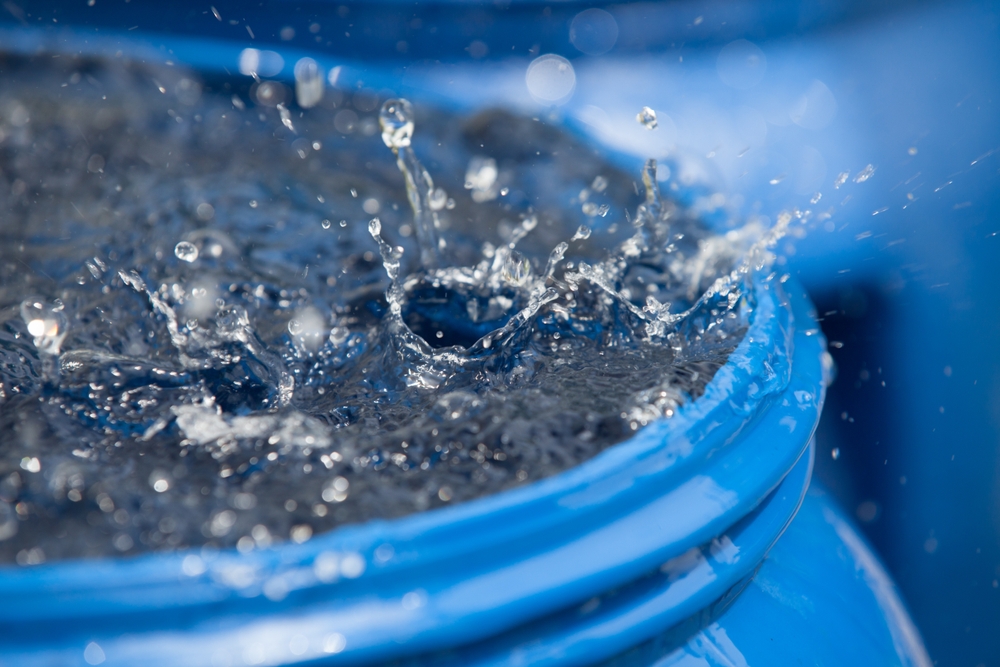
A basic rainwater system starts with a roof, a gutter, and a container that collects runoff before it disappears into the ground. A standard barrel placed under a downspout can capture gallons during even light rainfall. Simple screens help keep out leaves and debris while allowing clean water to flow inside. Gardeners often scale up slowly, starting with one barrel and adding more as needs grow. This approach keeps costs low while still delivering strong results.
Placement plays a major role in system success because gravity drives the entire setup. Elevated barrels create natural water pressure that makes watering easier without pumps or electricity. Overflow outlets help direct excess water into garden beds instead of wasted runoff. Secure lids reduce mosquito risks and keep the system clean through every season. A well-placed setup turns every rainfall into a reliable garden resource.
Smart Ways to Use Collected Rainwater for Bigger Harvests
Collected rainwater works best when applied directly at the base of plants instead of sprayed across leaves. Deep watering encourages roots to grow downward, which strengthens plants during heat waves and dry periods. Drip systems or watering cans allow precise control over how much moisture each plant receives. Consistent use builds healthier soil that retains water longer between rainfalls. Strong soil structure leads directly to larger, more abundant harvests.
Timing also matters because early morning or late evening watering reduces evaporation loss. Gardeners who match watering schedules with plant growth stages see improved yields and reduced stress on crops. Rainwater also supports compost piles by maintaining ideal moisture levels for decomposition. That compost then feeds back into the garden, creating a self-sustaining cycle. Every drop of stored rainwater becomes part of a larger productivity loop.
Common Mistakes That Drain Efficiency and How to Avoid Them
One common mistake involves undersized storage containers that fill too quickly and overflow during heavy storms. This leads to wasted water and missed savings opportunities. Proper planning based on roof size helps avoid this issue and ensures maximum collection capacity. Another frequent error involves neglecting filtration, which allows debris to clog systems over time. Simple mesh screens solve this problem before it starts.
Some gardeners also place barrels in shaded or inconvenient locations that reduce usability. Easy access encourages consistent use, which makes the system more effective overall. Ignoring seasonal maintenance can also reduce performance, especially when leaves or sediment build up inside containers. Regular cleaning keeps water quality high and flow steady. A well-maintained system performs reliably year after year without costly repairs.
Turning Rainwater Into a Long-Term Gardening Strategy That Cuts Bills
Rainwater harvesting transforms a garden from a constant expense into a self-supporting ecosystem that reduces household costs. Every collected gallon reduces dependence on municipal water and increases control over growing conditions. Over time, the system builds resilience against droughts and unpredictable weather patterns. Gardeners gain both financial and environmental advantages without needing complex equipment or advanced skills. The entire setup rewards consistency more than complexity.
Long-term success comes from scaling the system gradually and adjusting it to match garden growth. Larger gardens benefit from multiple collection points that feed different zones efficiently. Strategic use of rainwater also improves soil health, which further reduces watering needs over time. This creates a cycle where savings and productivity continue to increase each season. A simple idea turns into a powerful long-term gardening advantage.
What creative ways could make rainwater collection even more effective in your everyday gardening routines? It’s time to share your opinion and advice in the comments below.
You May Also Like…
How to Reuse Rainwater in Spring
Stop Overwatering: The Free Finger Test That Saves Your Water Bill
5 Cheap Garden Path Ideas That Improve Access and Drainage
11 Compelling Reasons to Embrace Rainwater Harvesting for Sustainable Living
7 Clear Signs Your Plants Are Being Overwatered Without You Realizing

Brandon Marcus is a staff writer for FrugalGardening.com at District Media, Inc., where he delivers practical gardening advice with a relatable, no-nonsense style. An avid amateur gardener, he holds a BA degree and with over ten years of professional writing experience, he is also an award-winning published author whose first book, Questions For Deep Thinkers, was released by Adams Media. His work has appeared in major publications including Fandom.com, CHUD.com, TheColdWire.com, and Fansided.com.
Leave a Reply