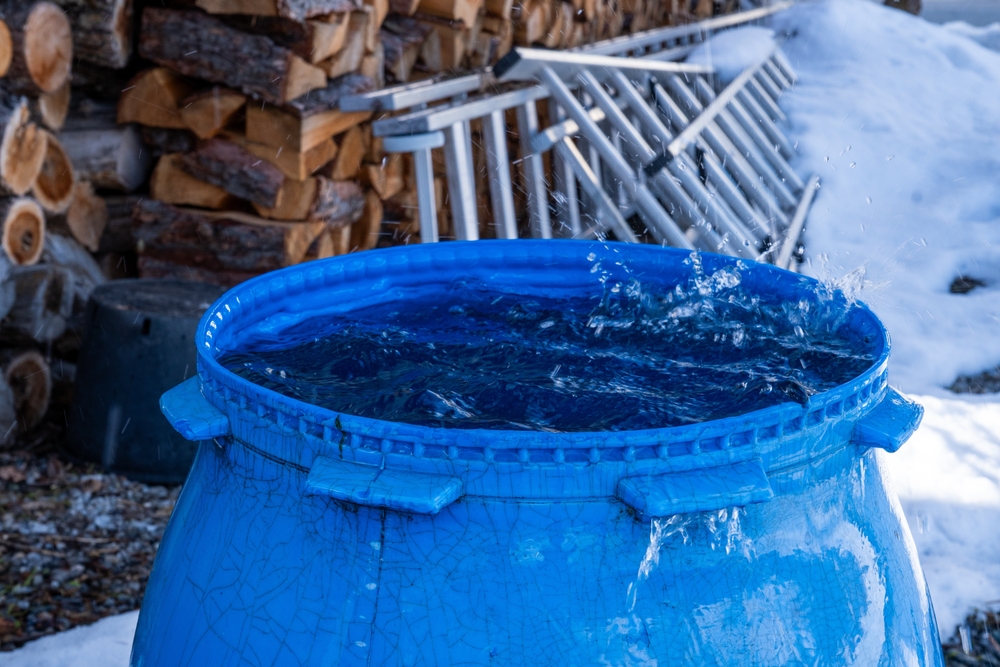
If your water bill spikes every summer, your garden is probably the main culprit. Between thirsty tomatoes, heat-stressed flowers, and that one plant that refuses to survive without constant attention, outdoor watering can quietly drain your wallet. But here’s the twist: you might be literally letting free water slip through your fingers every time it rains.
Enter the rain barrel, a simple, budget-friendly solution that feels almost too good to be true. Once you get the hang of it, collecting rainwater becomes less of a chore and more like unlocking a secret gardening cheat code.
Why Rain Barrels Are a Gardener’s Best-Kept Secret
Rain barrels are one of those rare gardening upgrades that save money immediately while also being environmentally smart. Instead of relying entirely on municipal water, you can collect and reuse rainwater that would otherwise run off your roof and disappear. This naturally soft, chemical-free water is actually better for most plants than treated tap water, which often contains chlorine.
Many gardeners notice healthier growth and improved soil quality after switching to rain barrel watering. On top of that, using a rain barrel reduces stormwater runoff, which helps prevent erosion and local flooding issues.
How Much Money Can You Really Save?
The savings from using a rain barrel can be surprisingly significant, especially during peak summer months. A single inch of rain on a standard 1,000-square-foot roof can yield over 600 gallons of water, which translates to real money staying in your pocket. If you regularly water your garden, lawn, or potted plants, that’s water you no longer have to pay for.
Over the course of a summer, many homeowners save anywhere from $50 to $200, depending on usage and local water rates. While it might not make you rich, it’s one of the easiest ways to trim your household expenses without sacrificing your garden. Plus, once your system is set up, the ongoing cost is essentially zero.
Setting Up Your First Rain Barrel Without the Headache
Getting started with a rain barrel system is much easier than most people expect, even if you’re not particularly handy. The basic setup involves placing a barrel under a downspout so it can catch rainwater flowing off your roof. Many ready-made rain barrels come with spigots, overflow valves, and mesh screens to keep debris and mosquitoes out. If you prefer a DIY route, you can build one using a food-grade barrel and a few inexpensive parts from a hardware store. The key is to ensure your barrel is elevated slightly so gravity can help with water flow when you attach a hose. Once it’s installed, you’ll wonder why you didn’t start sooner.
Smart Ways to Use Rain Barrel Water in Your Garden
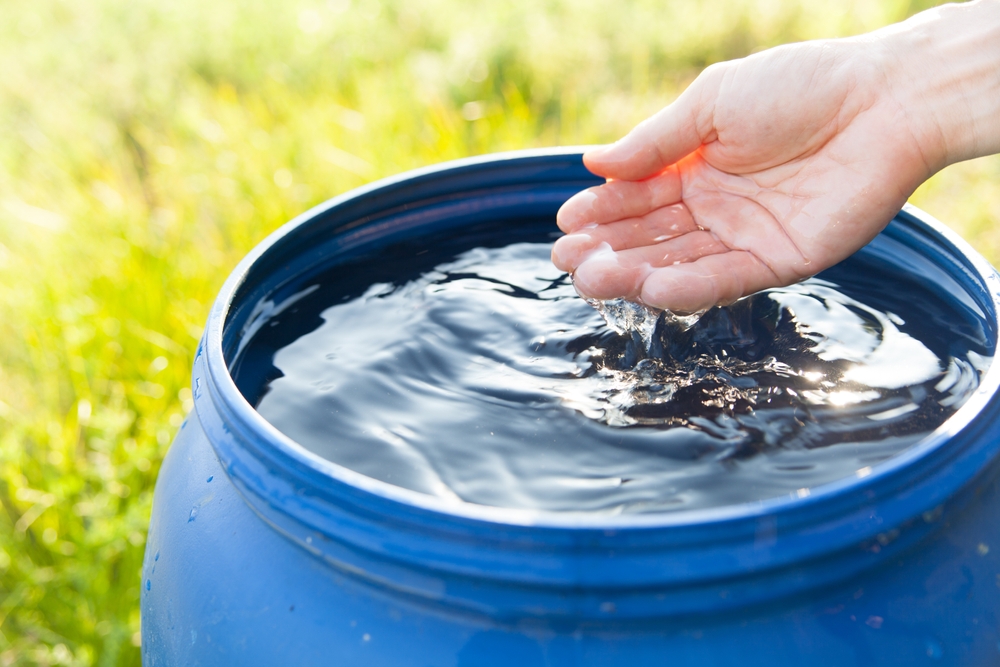
Using rain barrel water efficiently can stretch your savings even further while keeping your plants thriving. The most obvious use is watering garden beds, flower pots, and shrubs, especially during dry spells. You can also connect a soaker hose or drip irrigation system directly to your rain barrel for slow, consistent watering.
Some gardeners even use collected rainwater for washing tools or cleaning outdoor furniture, making it a versatile resource. It’s important to remember that rain barrel water is not typically treated, so it’s best reserved for outdoor use rather than drinking. With a little planning, every drop you collect can be put to good use.
Common Mistakes to Avoid When Using a Rain Barrel
While rain barrels are simple, there are a few common pitfalls that can reduce their effectiveness if you’re not careful. One of the biggest mistakes is failing to install an overflow system, which can lead to water pooling around your foundation during heavy rain. Another issue is neglecting regular cleaning, allowing debris and algae to build up inside the barrel.
Positioning also matters—a barrel placed too low may not provide enough water pressure for easy use. Some people forget to winterize their rain barrel, which can cause cracking in colder climates. Avoiding these mistakes ensures your rain barrel system stays efficient and hassle-free year after year.
The Rain Barrel Payoff: Small Effort, Big Summer Wins
The beauty of a rain barrel lies in how quickly it turns a simple idea into real savings and tangible results. With minimal setup, you can reduce your water bill, grow healthier plants, and feel a little more self-sufficient every time it rains. It’s one of those rare home improvements that pays for itself while also benefiting the environment. Whether you’re a seasoned gardener or just getting started, incorporating a rain barrel into your routine is a smart, low-risk move. And once you see your garden thriving on free water, it’s hard to go back. The rain barrel revolution isn’t just a trend—it’s a practical shift that makes perfect sense.
Have you tried using a rain barrel yet, or are you thinking about setting one up this summer? Let’s talk about it below in our comments!
You May Also Like…
How to Test Soil Drainage Before Planting
What Happens When Seeds Don’t Get Enough Water
How to Reduce Water Use Without Sacrificing Plant Health
7 Clear Signs Your Plants Are Being Overwatered Without You Realizing
Why Rainwater Collection Is Easier in Fall

Brandon Marcus is a staff writer for FrugalGardening.com at District Media, Inc., where he delivers practical gardening advice with a relatable, no-nonsense style. An avid amateur gardener, he holds a BA degree and with over ten years of professional writing experience, he is also an award-winning published author whose first book, Questions For Deep Thinkers, was released by Adams Media. His work has appeared in major publications including Fandom.com, CHUD.com, TheColdWire.com, and Fansided.com.
Leave a Reply