A prosperous garden doesn’t come from constant watering—it comes from smart watering. Too much water drowns roots, wastes money, and quietly sabotages even the healthiest plants. Many gardeners unknowingly turn a good habit into a costly mistake by sticking to rigid watering schedules.
Plants don’t follow calendars, and soil doesn’t dry on command. One simple, free trick cuts through the guesswork and helps plants—and wallets—stay in great shape.
Why Overwatering Costs More Than You Think
Overwatering doesn’t just harm plants—it drives up utility bills in a way that often goes unnoticed. Every extra gallon adds up, especially during warmer months when watering habits intensify and evaporation increases. Saturated soil also suffocates roots, which then struggle to absorb nutrients, leading to weak growth and more spending on fertilizers or replacements. Many gardeners mistake drooping leaves for thirst, but excess water often causes the same symptom, triggering a costly cycle of overcorrection. Catching this early prevents both plant damage and unnecessary water use.
The financial impact stretches beyond the water bill because unhealthy plants require more intervention to recover. Fungus, mold, and root rot thrive in overly wet conditions, often forcing gardeners to buy treatments or replace plants entirely. Outdoor landscapes with poor drainage can also suffer structural issues, leading to soil erosion or damage to nearby features. Even indoor plants can create hidden costs when overwatering leads to leaks or damaged flooring. A simple habit shift can eliminate these risks while keeping plants strong and resilient.
The Finger Test: A Simple Trick With Big Results
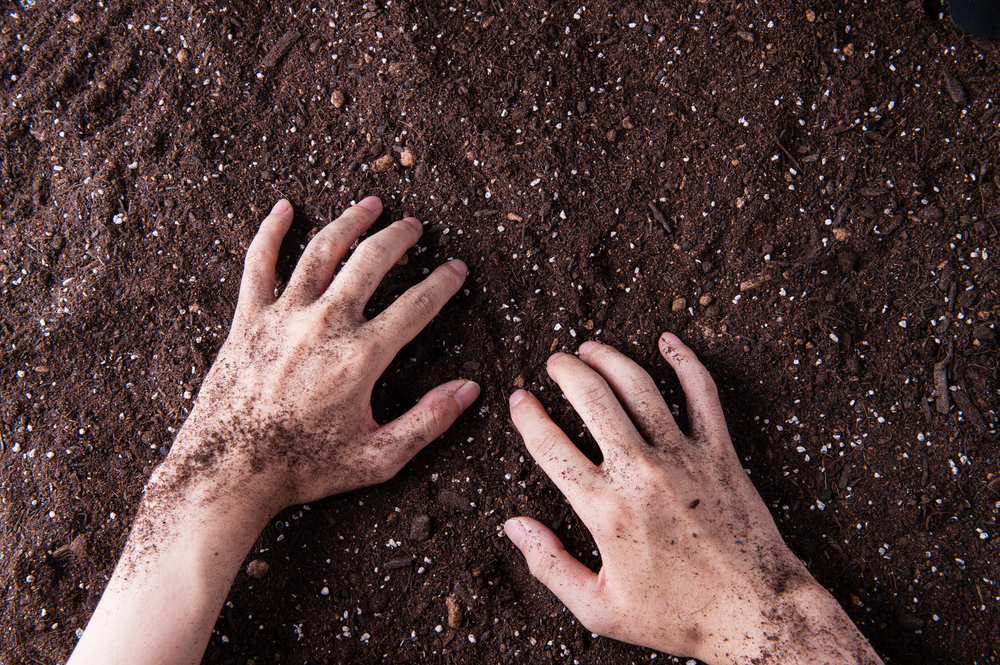
The finger test offers a quick, reliable way to check soil moisture without tools or guesswork. Press a finger about two inches into the soil, and pay attention to how it feels at that depth. Dry soil signals that it’s time to water, while damp soil means the plant can wait a little longer. This method works because plant roots typically sit a few inches below the surface, where moisture matters most. Checking that zone provides a far more accurate picture than judging the top layer alone.
Consistency turns this simple trick into a powerful habit that saves both plants and money. Gardeners who rely on touch instead of schedules avoid unnecessary watering and reduce waste immediately. The test takes seconds but prevents hours of damage control later. It also builds a deeper connection with the garden, helping spot early signs of trouble before they escalate. Over time, this hands-on approach sharpens instincts and makes plant care feel almost effortless.
Signs Your Plants Are Getting Too Much Water
Plants send clear signals when they receive too much water, but those signs often get misread. Yellowing leaves, soft stems, and a persistent musty smell from the soil all point to excess moisture. Leaves may drop prematurely, even when the soil feels wet, creating confusion for gardeners who assume the plant needs more water. Slow growth or sudden decline also indicates that roots struggle in overly saturated conditions. Recognizing these symptoms early prevents long-term damage.
Another common red flag involves soil that stays soggy for days after watering. Healthy soil should drain well and gradually dry out between watering sessions. Standing water or compacted soil signals a need for immediate adjustment. Pots without proper drainage holes make the problem worse by trapping moisture at the root level. Addressing these issues quickly keeps plants healthier and reduces the need for costly replacements or treatments.
Smarter Watering Habits That Stretch Every Dollar
Smart watering starts with timing and technique rather than frequency. Early morning watering allows moisture to reach roots before heat causes rapid evaporation. Deep, infrequent watering encourages roots to grow stronger and more drought-resistant, reducing the need for constant attention. Mulch adds another layer of efficiency by locking in moisture and regulating soil temperature. These simple adjustments significantly cut water usage without sacrificing plant health.
Choosing the right tools and setup also plays a big role in saving money. Drip irrigation systems deliver water directly to the root zone, minimizing waste and maximizing effectiveness. Rain barrels provide a free water source that benefits both the environment and the budget. Grouping plants with similar water needs prevents overwatering some while underwatering others. Small changes in routine can lead to noticeable savings over time.
The Secret to Healthier Plants and Lower Bills
Healthy gardens don’t rely on more water—they rely on better judgment. The finger test stands out as one of the easiest and most effective ways to avoid overwatering while improving plant care. It costs nothing, takes seconds, and delivers immediate results that benefit both plants and finances. Gardeners who adopt this method often notice stronger growth, fewer plant problems, and lower water bills within weeks. Simple habits like this transform gardening from guesswork into a confident, cost-saving routine.
A garden thrives when care matches actual needs instead of assumptions. Paying attention to soil moisture, adjusting watering habits, and responding to plant signals create a balanced, efficient system. This approach not only protects plants but also makes every drop of water count. Over time, the savings become just as satisfying as the lush, vibrant growth. Smart gardening always rewards those who work with nature instead of against it.
How often do you check your soil before watering—and could the finger test change your routine? Give us all watering tips and tricks in our comments section below.
You May Also Like…
Why Plants Wilt Even After Watering and What to Do
How to Revive Plants After Accidental Overwatering
March Watering Mistakes That Can Raise Your Bills
How to Reduce Water Use Without Sacrificing Plant Health
How to Reuse Rainwater in Spring

Brandon Marcus is a staff writer for FrugalGardening.com at District Media, Inc., where he delivers practical gardening advice with a relatable, no-nonsense style. An avid amateur gardener, he holds a BA degree and with over ten years of professional writing experience, he is also an award-winning published author whose first book, Questions For Deep Thinkers, was released by Adams Media. His work has appeared in major publications including Fandom.com, CHUD.com, TheColdWire.com, and Fansided.com.
Leave a Reply