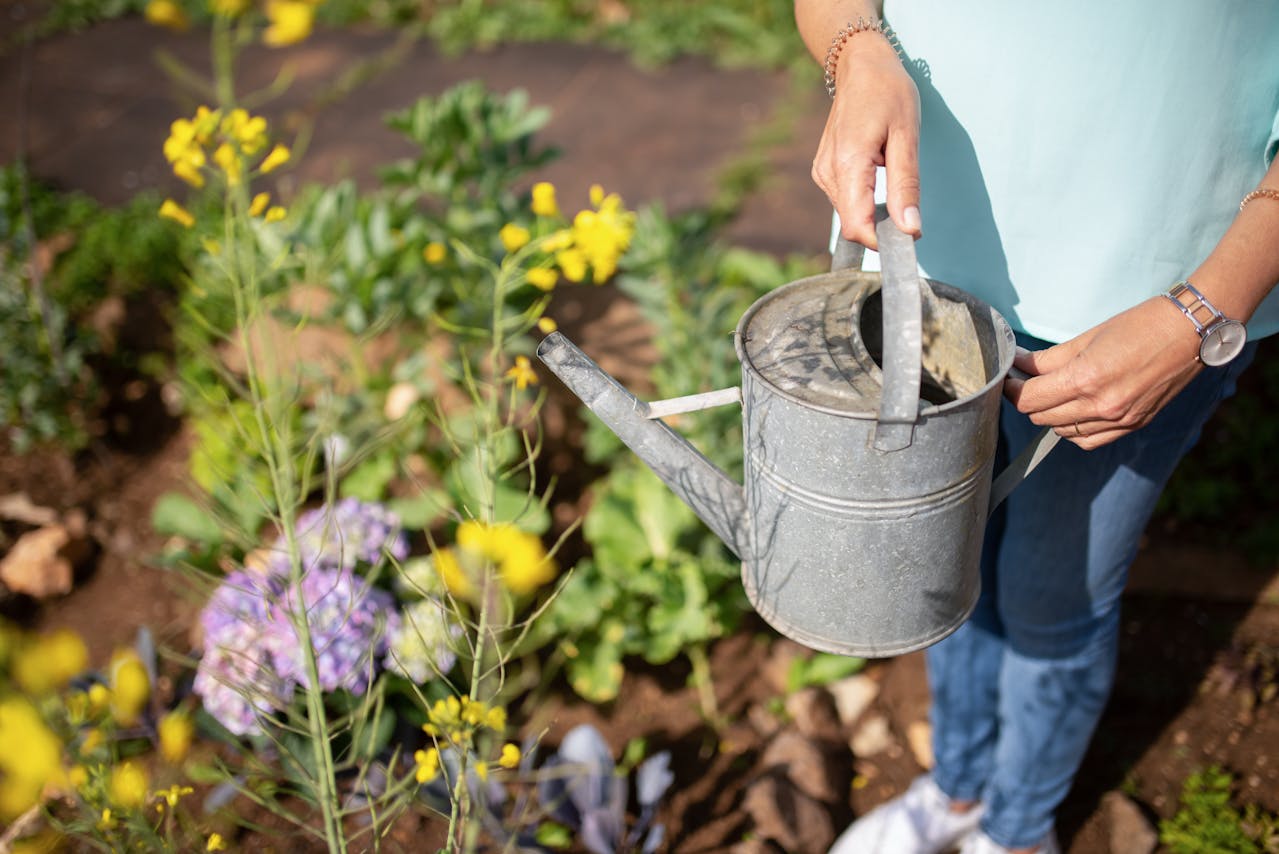
Water is life—but it doesn’t have to mean a nonstop deluge in the garden. Imagine giving your plants exactly what they need without flooding them, splashing cash on wasted water, or standing in the sun with a hose for hours. Reducing water use doesn’t have to turn gardens into sad, wilted wastelands. In fact, with the right strategies, your garden can thrive while sipping water like a connoisseur enjoying a fine wine. There’s a surprising amount of science, technique, and even a little magic behind watering smartly, and it all starts with understanding what your plants actually crave.
The good news is that water-wise gardening isn’t about deprivation—it’s about precision, timing, and working with nature instead of against it. Plants have evolved with clever systems for surviving dry periods, and tapping into these strategies can keep greenery lush while cutting your water footprint. From the roots up, there’s a whole toolkit of tricks to optimize soil, mulch, and watering schedules that feel intuitive once you get the hang of them.
Drink Deep, Roots First: Let Soil Take the Lead
Healthy soil acts like a sponge and a reservoir all in one. Deep, rich soil with plenty of organic matter holds moisture longer and releases it slowly to roots instead of letting it evaporate under the midday sun. Incorporating compost, aged manure, or mulch into beds isn’t just about feeding plants—it creates a living system that captures and retains water efficiently. This isn’t a once-and-done task either; seasonal soil care ensures your garden’s water-holding potential improves year after year.
Mulching is another superstar in the water-saving lineup. A thick layer of straw, bark, or shredded leaves keeps soil cool, reduces evaporation, and blocks weeds that would otherwise compete for moisture. Placing mulch around plants—without smothering stems—creates a mini microclimate that keeps roots happy and hydrated for longer stretches. Pair deep soil with strategic mulching, and watering becomes less about rushing to quench thirsty plants and more about maintaining a healthy rhythm that plants actually enjoy.
Timing Is Everything
Watering schedules can make or break a water-saving plan. Plants absorb water best when the soil has time to draw it down to their roots, so watering deeply but infrequently beats shallow, constant drenching every time. Morning watering gives plants a head start to soak up hydration before heat or wind steals it away, while evening watering risks keeping soil damp long enough for mold or fungus to thrive.
Drip irrigation systems, soaker hoses, or simple hand-watering techniques allow water to target roots precisely without waste. They’re not only eco-friendly, but they also promote healthier growth by avoiding wet foliage, which can invite disease. Observing plant behavior helps fine-tune schedules too—leaves that wilt midday but recover by evening indicate soil needs deep hydration rather than constant light watering. Once you start reading these signals, the garden becomes more like a living conversation than a chore.
Choose Plants That Sip, Not Guzzle
Plant selection can drastically reduce water demands. Native plants, drought-tolerant perennials, and succulents thrive with minimal irrigation while still looking fabulous. Their natural adaptations—deep roots, waxy leaves, or slow growth—allow them to survive hot, dry spells without constant intervention. Even incorporating a few water-wise species among thirstier plants creates a balanced, resilient ecosystem.
Grouping plants with similar water needs simplifies care and avoids overwatering some while neglecting others. Xeriscaping isn’t just for desert regions—it’s a design philosophy that encourages smart plant pairing, efficient soil use, and ornamental diversity. Even traditional gardens benefit when plants are chosen for climate and water compatibility, making life easier and the garden more attractive year-round.
Capture the Sky: Rainwater and Reuse
Rainwater harvesting offers a natural, free, and surprisingly simple source of irrigation. Gutters, barrels, and even small collection trays can store water for later use during dry periods. Captured rainwater is often softer than tap water, lacking chlorine and minerals that sometimes stress plants. Directing runoff to garden beds or trees reduces waste and makes each drop count toward plant health.
Greywater systems, using kitchen or laundry water carefully filtered for plant safety, offer another practical solution. Reusing water responsibly reduces overall consumption while ensuring plants stay hydrated. By embracing alternative water sources, gardeners can maintain lush landscapes even when municipal water restrictions kick in, all while feeling good about contributing to sustainability.
The Secret Weapon: Smart Mulch and Soil Strategies
Mulching is just the start—think of soil management as an ongoing experiment. Cover crops, organic amendments, and strategic aeration improve water penetration, retain moisture, and encourage root development. Soil with structure doesn’t just hold water—it circulates it, delivers nutrients efficiently, and creates an environment where plants grow stronger naturally.
Avoid compacting soil around roots and let organic matter integrate gradually to maximize retention. Water that soaks into a healthy, well-aerated bed lasts longer and encourages deep root growth, which in turn reduces the need for frequent watering. Even small tweaks, like adjusting soil pH or layering mulch with care, can transform water-hungry beds into efficient, self-sustaining systems.
Thriving With Less: Master the Art of Efficient Gardening
Water-smart gardening proves that less can absolutely be more. By focusing on soil health, precise watering, plant choice, and clever water capture, gardens can flourish without overconsumption. Every drop becomes a resource, not a liability, and plants respond with stronger roots, better blooms, and healthier foliage. Shifting from wasteful habits to intentional hydration changes the entire rhythm of the garden, turning it into a dynamic, sustainable space.
Which strategies seem most promising to try first, and which might inspire other creative water-saving ideas in the garden? Share thoughts, tips, or success stories in the comments.
You May Also Like…
Why Overwatering in March Wastes Money
How to Reuse Rainwater in Spring
Homeowners in These 3 States Need To Know The Rules About Collecting Rainwater
Why Some Gardeners Are Being Fined for a Little‑Known Watering Rule
Stormwater Authorities Warn: Your Garden Could Be Causing Basement Mold

Brandon Marcus is a staff writer for FrugalGardening.com at District Media, Inc., where he delivers practical gardening advice with a relatable, no-nonsense style. An avid amateur gardener, he holds a BA degree and with over ten years of professional writing experience, he is also an award-winning published author whose first book, Questions For Deep Thinkers, was released by Adams Media. His work has appeared in major publications including Fandom.com, CHUD.com, TheColdWire.com, and Fansided.com.
Leave a Reply