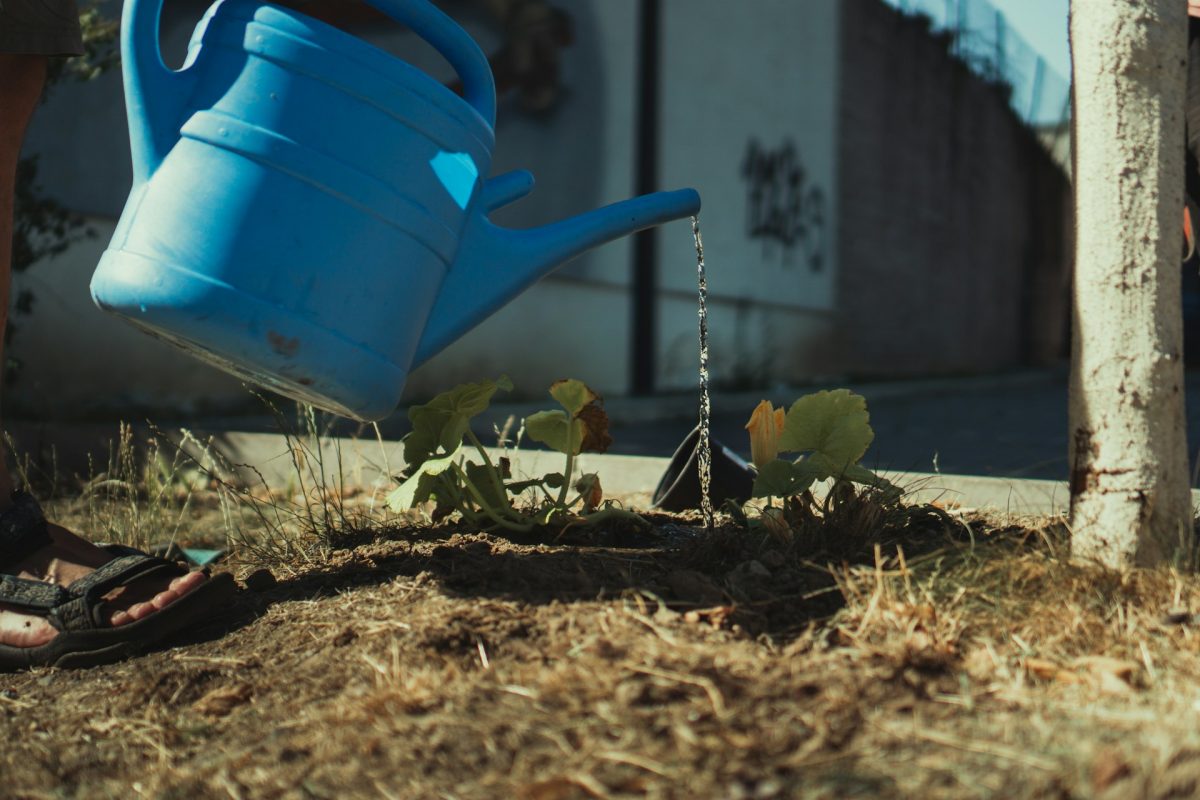
When water turns scarce and restrictions tighten, gardens face a brutal test. Drought does not simply dry out soil; it forces hard choices. Municipalities impose watering schedules, ban certain irrigation methods, and fine homeowners who ignore the rules. Meanwhile, vegetables wilt, flowers droop, and shrubs show stress just as temperatures climb. Panic leads many people to overwater at the wrong times or sneak in extra irrigation that wastes precious resources.
A thriving garden during drought demands strategy, discipline, and a willingness to rethink habits. With the right approach, plants can survive and even produce well without breaking local regulations. The key lies in efficiency, timing, and understanding how plants actually use water.
Start With the Rules, Not the Hose
Before adjusting a single sprinkler, check local water restrictions carefully. Many cities limit watering to specific days or hours, often allowing irrigation only during early morning or late evening to reduce evaporation. Some areas restrict overhead sprinklers but permit drip irrigation or hand watering with a shut-off nozzle.
Ignoring these details creates unnecessary risk. Fines add up quickly, and repeated violations can bring stricter scrutiny. More importantly, rules often reflect real strain on reservoirs and groundwater supplies. Following them protects both the garden and the broader community. Print out the schedule or save it on a phone for quick reference. Mark allowed watering days on a calendar. Treat those windows like appointments. Planning ahead prevents rushed decisions that waste water or break guidelines.
Water Deeply, Not Frequently
During drought, shallow daily watering does more harm than good. Light sprinkles encourage roots to stay near the soil surface, where heat and dryness hit hardest. Deep, infrequent watering pushes roots downward in search of moisture, creating stronger, more resilient plants.
When allowed to water, soak the soil thoroughly so moisture penetrates six to eight inches for most vegetables and annuals, and even deeper for established shrubs and trees. Check depth with a screwdriver or soil probe. If it slides in easily, water reached the root zone. If it meets resistance near the surface, the soil needs more time. Spacing out irrigation sessions allows the top layer of soil to dry slightly between waterings, which improves root health. This approach uses less water overall because deeper roots tap into moisture reserves that shallow roots never reach.
Choose Drip and Soaker Systems Over Sprinklers
Overhead sprinklers lose a surprising amount of water to evaporation and wind drift, especially during hot, breezy days. In drought conditions, every lost drop matters. Drip irrigation and soaker hoses deliver water directly to the soil at the base of plants, minimizing waste.
Many water restrictions specifically allow drip systems even when they limit traditional sprinklers. These systems release water slowly, giving soil time to absorb it fully. They also keep foliage dry, which reduces the risk of fungal diseases.
Installing a simple drip line in vegetable beds or along shrub borders does not require professional skills. Basic kits connect to a standard outdoor faucet and include emitters that control flow rate. Pairing drip irrigation with a timer ensures watering occurs during permitted hours without constant supervision.
Mulch Like It Matters, Because It Does
Bare soil loses moisture quickly under drought conditions. Sun and wind draw water from the surface, leaving roots exposed to heat stress. A two- to three-inch layer of organic mulch dramatically slows evaporation and moderates soil temperature.
Shredded bark, straw, compost, or chopped leaves all work well when applied correctly. Keep mulch a few inches away from plant stems to prevent rot. Spread it evenly, and refresh thin spots as needed.
Mulch does not eliminate the need for watering, but it reduces frequency. Studies consistently show that mulched soil retains moisture longer than bare ground. During drought, that difference can mean one less irrigation cycle each week, which keeps gardens within legal limits and conserves precious water.
Prioritize Plants With a Clear Head
Not every plant deserves equal attention during severe drought. Newly planted trees, young shrubs, and vegetable crops often require more consistent moisture than established ornamental perennials. Lawns, especially cool-season grasses, may enter dormancy and recover later with proper care.
Focus water on high-value plants first. Fruit trees in early fruit development, tomatoes in peak production, and recently installed landscape plants need support to survive. Established native plants adapted to local conditions often tolerate temporary dryness better than exotic species. Container plants require special consideration. Pots dry out far faster than in-ground beds because soil volume remains limited and exposed on all sides. Move containers into partial shade during extreme heat to reduce water loss. Grouping pots together can create a microclimate that conserves moisture.
Capture and Reuse Water Where Legal
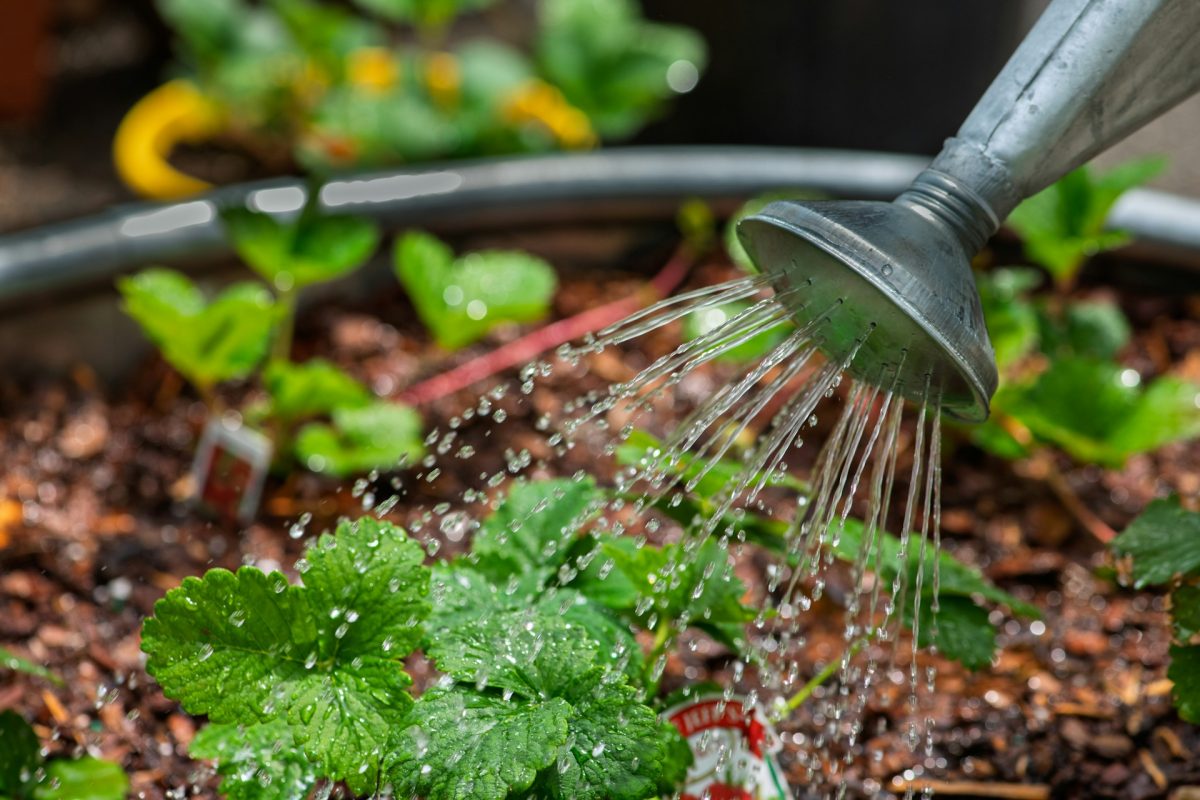
Rain barrels offer a smart way to supplement irrigation when local regulations allow them. Even small rainfall events can fill a barrel and provide water for hand watering during dry spells. Check local ordinances to confirm legality and proper installation guidelines.
Greywater systems, which reuse household water from sinks or washing machines, also provide an option in some regions. These systems require careful design to avoid contamination and must comply with local codes. When allowed, they can reduce demand on municipal supplies.
Even simple habits help. Collect water from rinsing vegetables or waiting for a shower to warm up, then use it on ornamental plants. While this will not sustain an entire garden, it contributes to a broader conservation mindset.
Adjust Expectations, Not Just Irrigation
Drought forces realism. Some annual flowers may not look as lush as they would in a rainy year. Lawns may brown temporarily. Accepting slight cosmetic decline can save significant water.
Raising mower height during drought helps lawns retain moisture. Taller grass shades soil and reduces evaporation. Avoid fertilizing during severe drought, because fertilizer can stimulate growth that requires more water and may stress plants further.
Consider incorporating drought-tolerant plants into future garden plans. Native species and Mediterranean herbs such as rosemary and thyme thrive with less water once established. Over time, a garden designed with water efficiency in mind handles restrictions far more gracefully.
Watch Plants Closely and Respond Early
Plants communicate stress clearly. Wilting during the hottest part of the day does not always signal danger, because many plants temporarily droop under intense sun and recover by evening. Persistent wilting, dull leaf color, and leaf drop indicate deeper issues.
Check soil moisture before watering outside scheduled times. Push a finger several inches into the soil. If it feels dry at root depth and watering falls within allowed hours, irrigate thoroughly. If soil remains moist below the surface, hold off. Keeping a simple garden journal during drought can reveal patterns. Note watering dates, temperatures, and plant responses. Over time, these observations guide smarter decisions that balance conservation with plant health.
Thriving Within Limits
Drought does not have to spell disaster. With careful planning, efficient systems, and thoughtful prioritization, gardens can endure dry seasons without breaking rules or draining resources. Deep watering, mulch, drip irrigation, and smart plant choices form a practical toolkit for challenging times.
Restrictions exist for a reason, but they do not demand surrender. They demand creativity and discipline. When every drop counts, strategy replaces guesswork and intention replaces habit.
How will your watering habits change the next time drought tightens its grip? Let’s hear your advice and plans in the comments below.
You May Also Like…
Homeowners in These 3 States Need To Know The Rules About Collecting Rainwater
Why Some Gardeners Are Being Fined for a Little‑Known Watering Rule
Stormwater Experts Say This Landscaping Trend Is Flooding Basements
Why Gardeners in the Southeast Are Being Told to Stop Using Rainwater This Month
Water Boards Say This Common Irrigation Setup Is Wasting Thousands of Gallons

Brandon Marcus is a staff writer for FrugalGardening.com at District Media, Inc., where he delivers practical gardening advice with a relatable, no-nonsense style. An avid amateur gardener, he holds a BA degree and with over ten years of professional writing experience, he is also an award-winning published author whose first book, Questions For Deep Thinkers, was released by Adams Media. His work has appeared in major publications including Fandom.com, CHUD.com, TheColdWire.com, and Fansided.com.
Leave a Reply