Gardening does not have to drain a wallet or turn into an expensive experiment that fails halfway through the season. Many thriving gardens across the United States grow from simple, low-cost strategies that focus on smart habits rather than pricey supplies. A few thoughtful changes can turn even a small backyard or patio into a productive, beautiful growing space. The secret lies in working with nature instead of constantly paying to fight against it. Once these budget-friendly techniques take hold, plants grow stronger, soil improves naturally, and expenses drop fast.
Smart gardeners across suburban yards, urban patios, and rural homesteads consistently rely on simple systems that keep costs down without sacrificing results. Composting food scraps, reusing everyday materials, and choosing the right plants all create powerful savings over time.
1. Compost Kitchen Scraps Like a Savings Account for Soil Health
Kitchen scraps turn into rich soil food instead of landfill waste when composting becomes a daily habit. Vegetable peels, coffee grounds, eggshells, and fruit rinds all break down into nutrients that plants love. Many American households throw away nearly 30% of their food waste, and composting helps reclaim that value right in the backyard. A simple bin or pile in a corner can transform leftovers into black gold for the garden.
Healthy compost improves soil structure, boosts moisture retention, and reduces the need for store-bought fertilizers. Over time, gardeners notice stronger plants and fewer pest problems without spending extra money. The process also cuts down on garbage pickup costs in some municipalities. Consistent layering of greens and browns keeps the system balanced and productive.
2. Start Seeds Indoors to Slash Nursery Costs
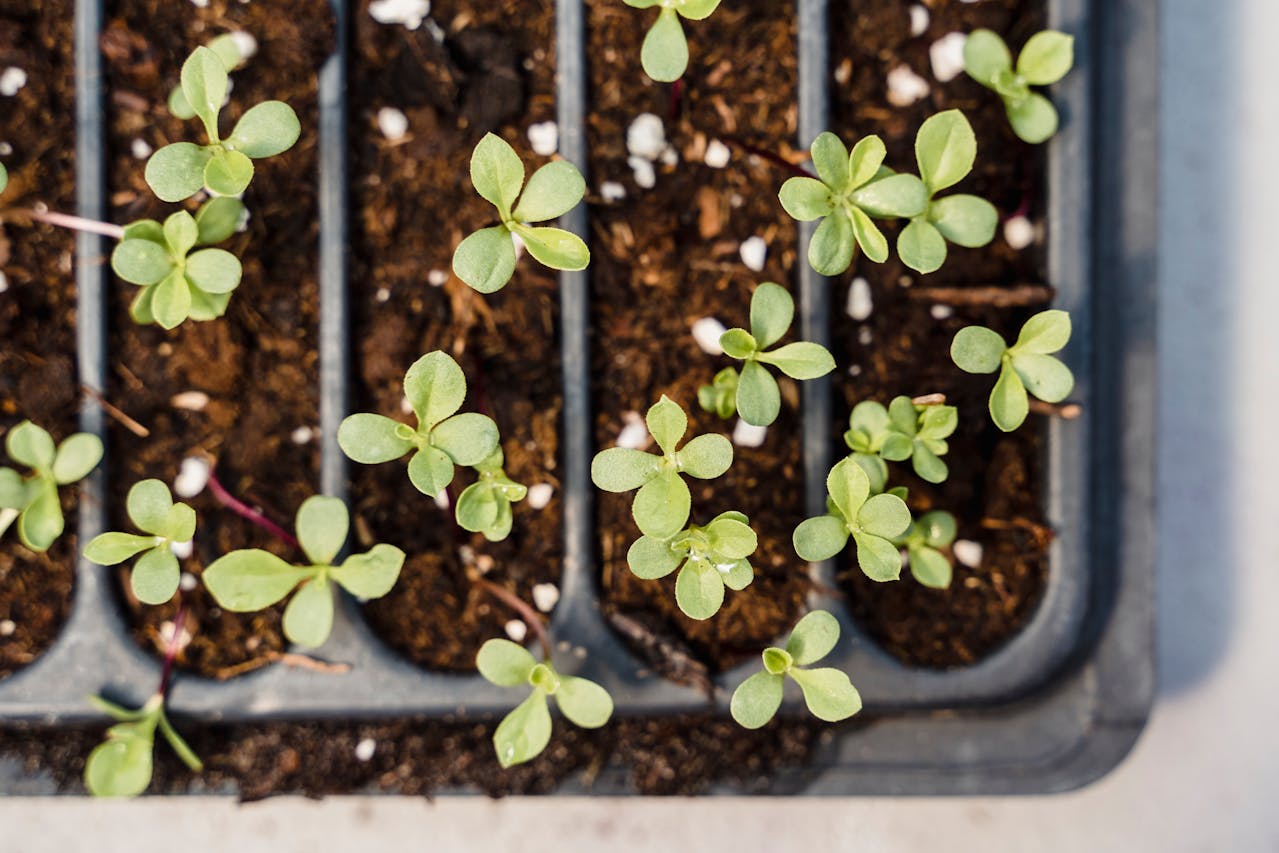
Seed packets often cost just a few dollars and produce dozens of plants, making them far more economical than buying transplants. Starting seeds indoors gives gardeners control over timing and variety while avoiding expensive garden center markups. A sunny windowsill, basic trays, and potting mix create everything needed to get started. Many American gardeners begin tomatoes, peppers, and herbs indoors to stretch their budgets further.
Strong seedlings develop before outdoor planting season begins, which increases survival rates and reduces replacement costs. Grow lights help when natural sunlight falls short, especially in early spring months. This method also allows gardeners to grow uncommon varieties that stores rarely carry. More plants grow for less money, and the garden fills out faster once warm weather arrives.
3. Mulch Smartly Using Free or Low-Cost Materials
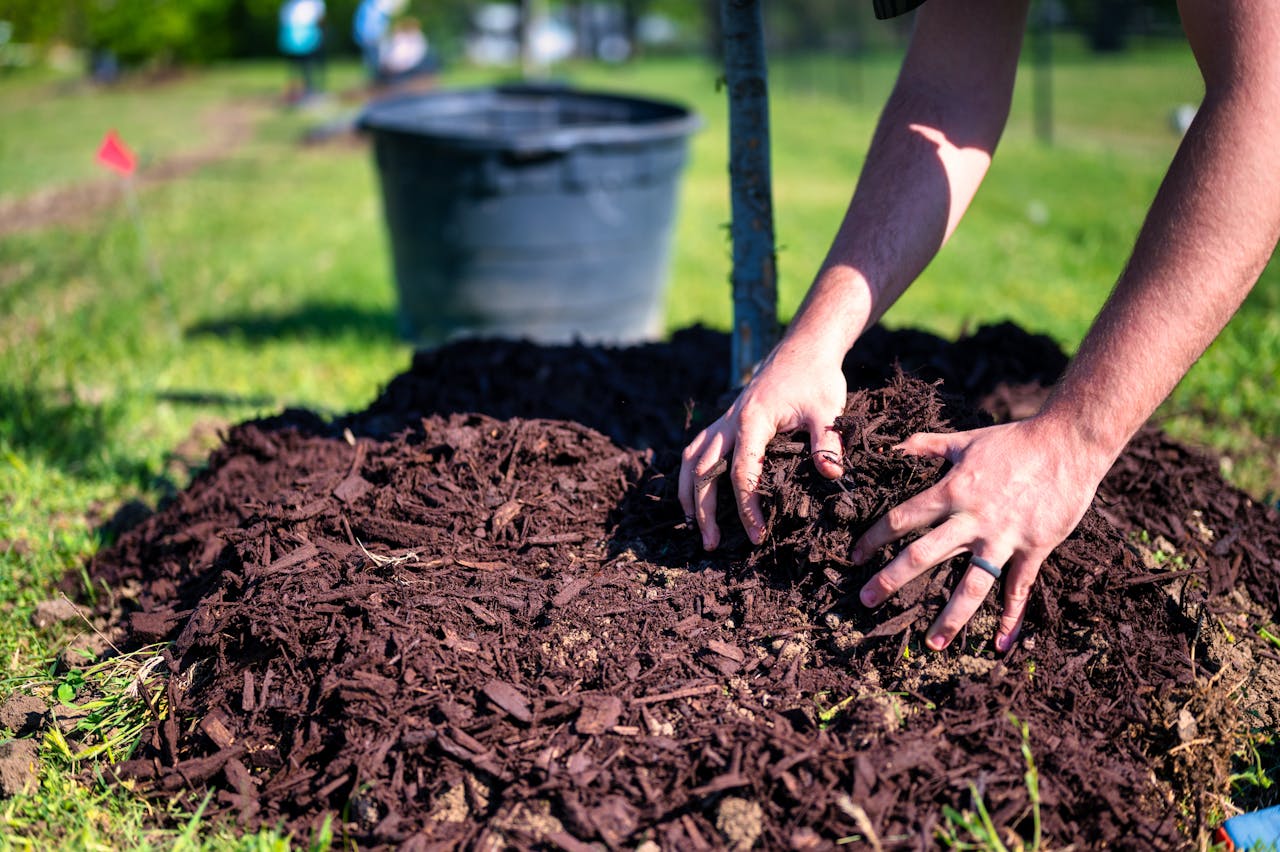
Mulch protects soil, reduces weeds, and locks in moisture, which means fewer trips to the hose and less spending on maintenance. Shredded leaves, grass clippings, and even untreated cardboard can serve as effective mulch materials. Many communities in the United States offer free leaf pickup during fall, giving gardeners a ready supply of organic cover. This approach turns yard waste into a powerful gardening resource.
A thick layer of mulch keeps soil temperatures stable during unpredictable weather swings. It also prevents erosion and reduces the need for chemical weed control products. Over time, organic mulch breaks down and enriches the soil naturally. That cycle saves money while building long-term garden health.
4. Water Efficiently with Simple DIY Systems
Water bills can rise quickly during peak growing season, but simple systems help keep usage under control. Rain barrels collect free water from rooftops and store it for dry days in the garden. Drip irrigation setups made from inexpensive tubing deliver water directly to plant roots with minimal waste. Many gardeners across the United States reduce water use by up to 50% using these methods.
Early morning watering schedules also reduce evaporation and improve plant absorption. Grouping plants with similar water needs prevents overwatering and underwatering issues. Even recycled containers can help slow-release water to thirsty plants during heat waves. Smart watering habits protect both plants and budgets at the same time.
5. Choose Plants That Thrive in Your Zone
Plant selection plays a major role in keeping gardening costs low because the wrong plants often require extra care, fertilizers, and replacements. USDA hardiness zones guide gardeners toward plants that naturally thrive in local climates across the United States. Native plants usually demand less water, resist pests better, and survive seasonal shifts without constant intervention. That means fewer losses and fewer trips to the garden center.
Hardy vegetables like zucchini, beans, and kale grow well in many regions with minimal fuss. Perennials return each year, eliminating the need to replant annually. Choosing resilient varieties reduces stress and increases harvest consistency. Smart selection builds a garden that practically maintains itself over time.
Big Garden Results Without Big Spending
Budget-friendly gardening succeeds when small, consistent habits replace expensive shortcuts and unnecessary products. Composting, seed starting, mulching, efficient watering, and smart plant selection all work together to build a stronger and more productive garden. Each method reduces waste while improving soil and plant health in ways that last beyond a single season. Real savings show up not only in reduced costs but also in better harvests and fewer maintenance headaches. A thoughtful approach turns any outdoor space into a thriving, cost-efficient growing system.
What budget gardening tricks have made the biggest difference in home gardens, and which ones deserve more attention from everyday growers?
You May Also Like…
7 Budget Seed Storage Tips That Preserve Germination
Tips for Transplanting Without Causing Shock
5 Proven Gardening Shortcuts That Save Time
Termite Prevention Tips for Raised Beds
5 Tricks to Extend Tomato Harvest Into October

Brandon Marcus is a staff writer for FrugalGardening.com at District Media, Inc., where he delivers practical gardening advice with a relatable, no-nonsense style. An avid amateur gardener, he holds a BA degree and with over ten years of professional writing experience, he is also an award-winning published author whose first book, Questions For Deep Thinkers, was released by Adams Media. His work has appeared in major publications including Fandom.com, CHUD.com, TheColdWire.com, and Fansided.com.
Leave a Reply