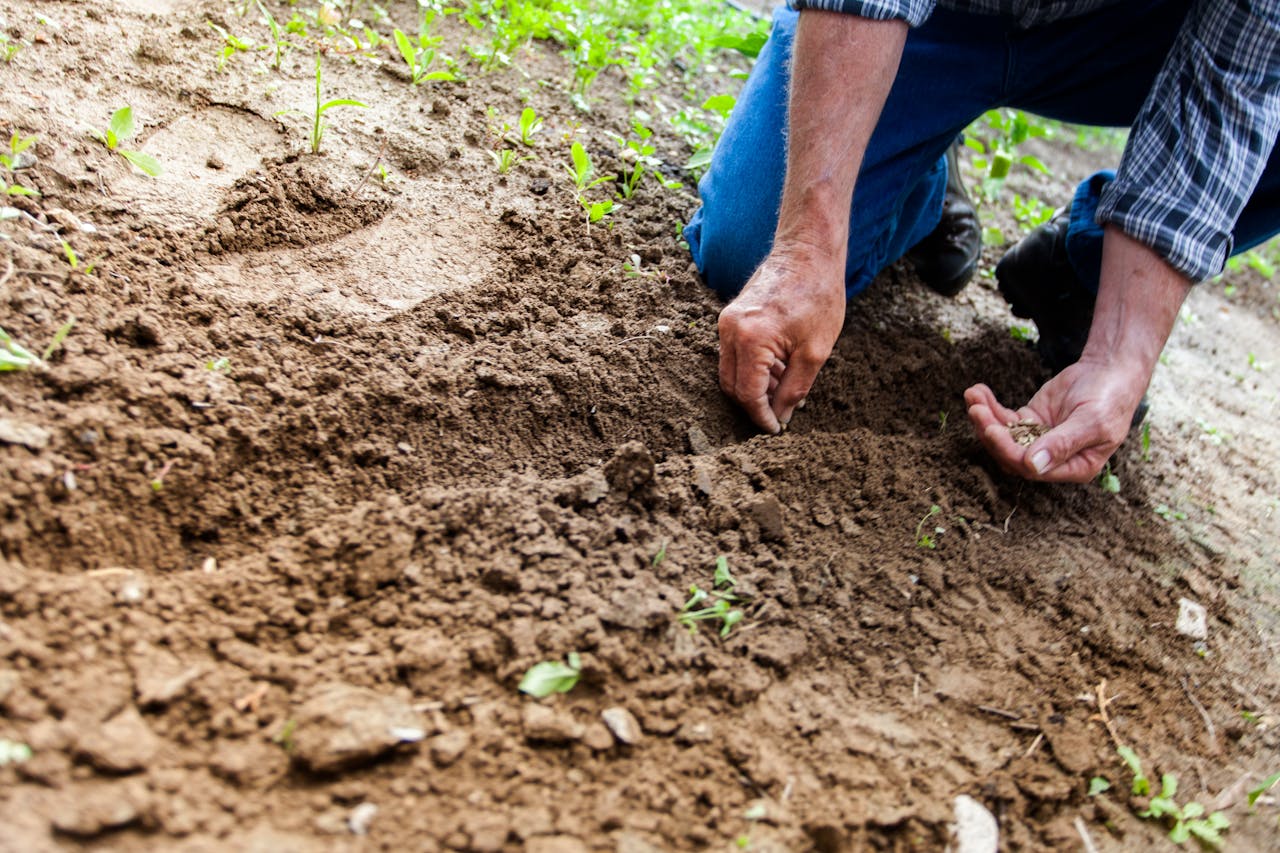
A packet of seeds promises life, color, and maybe even a plate full of homegrown food—but sometimes, nothing happens. No sprouts, no green shoots, just quiet, stubborn soil that refuses to cooperate. That gap between expectation and reality frustrates even the most enthusiastic gardeners, especially when everything seems “right” on the surface. Seeds don’t fail randomly, though, and they certainly don’t hold grudges. Every missed sprout tells a story, and once that story becomes clear, everything changes.
Great gardening doesn’t rely on luck, and it definitely doesn’t depend on crossing fingers and hoping for the best. Seeds follow rules, and those rules come straight from biology, environment, and timing. When those pieces line up, germination becomes almost predictable, and success starts to feel less like magic and more like a repeatable skill.
The Hidden Life Inside Every Seed
Every seed carries a tiny, sleeping plant inside, wrapped in a protective coat and packed with just enough energy to get started. That miniature life form waits for very specific signals before it decides to wake up, and without those signals, nothing happens no matter how carefully the seed gets planted. Temperature, moisture, oxygen, and sometimes even light all act as triggers, and seeds refuse to compromise when those conditions fall out of balance. Some seeds prefer cool soil, while others demand warmth before they even consider sprouting, which explains why planting at the wrong time of year leads to disappointing results. Soil that feels fine to the touch might still sit outside the ideal temperature range, and that small difference can completely stall the process.
Seed age also plays a major role, and it often gets overlooked because seeds look perfectly fine even when they lose viability. Over time, the internal structures break down, and the embryo inside loses its ability to grow, even if everything else falls into place. Storage conditions speed up or slow down that decline, so seeds kept in hot, humid spaces lose their potential much faster than those stored in cool, dry environments. Even high-quality seeds come with a natural expiration date and ignoring that fact leads to wasted effort and empty garden rows. Paying attention to packaging dates and storing seeds properly gives every planting effort a stronger starting point.
When Water Works Against You
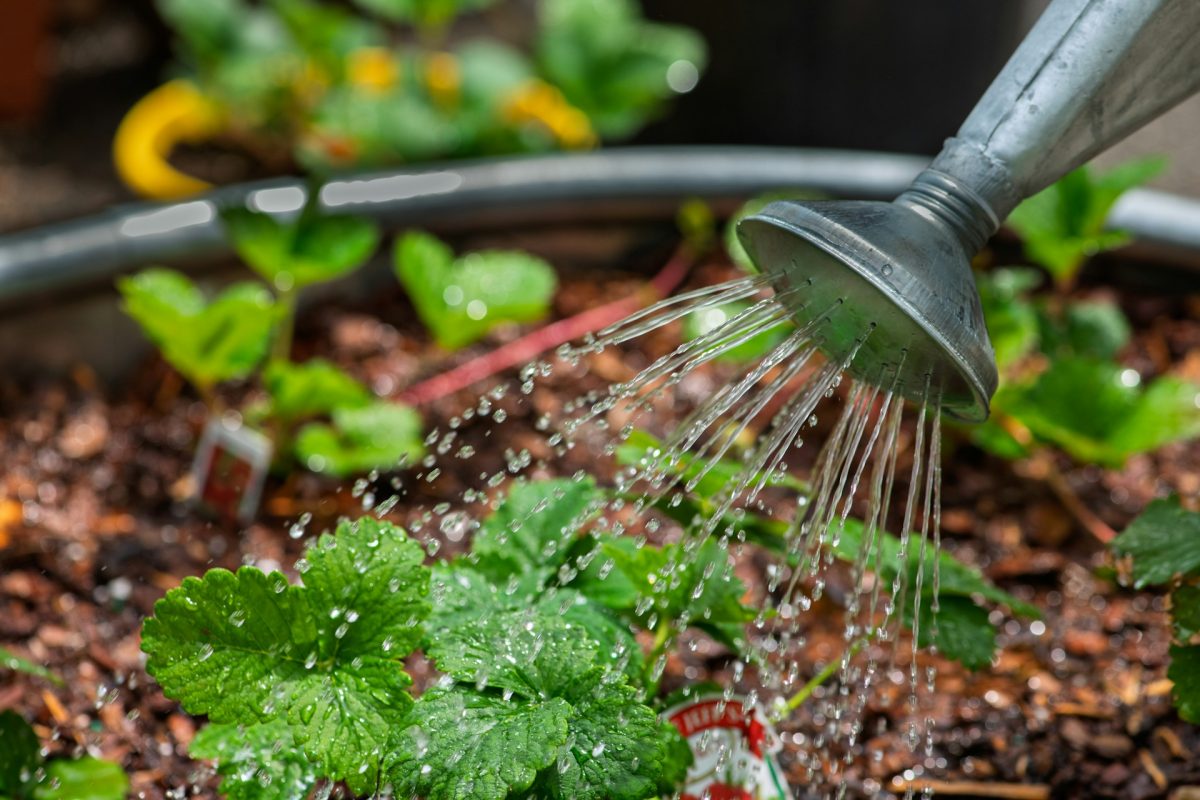
Water seems like the simplest part of gardening, yet it causes some of the biggest germination failures. Seeds need moisture to activate growth, but too much water quickly turns into a problem that suffocates them before they even get started. Overwatering fills the air pockets in soil, cutting off oxygen and creating conditions where seeds essentially drown instead of sprouting. On the flip side, inconsistent watering dries seeds out mid-process, stopping germination before it can finish, which leads to uneven or nonexistent growth. That delicate balance makes watering one of the most important skills to master.
Soil texture plays a huge role here, and it often determines whether water helps or harms. Heavy clay soils hold onto moisture for too long, while sandy soils drain so quickly that seeds struggle to stay hydrated long enough to germinate. A light, well-draining seed-starting mix creates the ideal environment by holding moisture without becoming waterlogged. Consistency matters just as much as quantity, so regular, gentle watering keeps the soil evenly moist instead of swinging between extremes. A simple habit like checking soil moisture daily transforms guesswork into precision and dramatically improves success rates.
The Depth Dilemma That Stops Growth Cold
Planting depth sounds like a minor detail, but it often makes the difference between success and failure. Seeds planted too deep burn through their limited energy reserves before they reach the surface, leaving them unable to break through the soil. Seeds planted too shallow dry out quickly or fail to anchor properly, which interrupts germination before it gains momentum. Each seed type comes with its own preferred depth, usually based on size, and ignoring that guideline creates unnecessary obstacles right from the start.
Small seeds, in particular, need special attention because they often require light to germinate. Covering them with too much soil blocks that light and prevents the process from even beginning. Larger seeds tolerate deeper planting, but even they have limits that shouldn’t be pushed. Following the general rule of planting seeds at a depth about two to three times their size keeps things simple and effective. That small adjustment removes a major barrier and gives seeds a much clearer path to the surface.
Temperature Trouble: The Silent Growth Killer
Temperature quietly controls everything when it comes to germination, yet it rarely gets the attention it deserves. Seeds operate within specific temperature ranges, and falling outside those ranges slows or completely stops the process. Cool-season crops like lettuce and spinach thrive in lower temperatures, while warm-season plants like tomatoes and peppers demand heat before they sprout. Planting too early or too late throws everything off, and seeds respond by staying dormant instead of growing.
Indoor seed starting offers more control, but it still requires attention to detail. Cold windowsills and drafty rooms create inconsistent conditions that confuse seeds and delay germination. Heat mats solve that problem by maintaining steady warmth, especially for plants that require higher temperatures. Monitoring soil temperature rather than air temperature provides a much more accurate picture of what seeds actually experience. That extra layer of awareness turns temperature from a hidden obstacle into a powerful tool for success.
Dormancy: When Seeds Refuse to Wake Up
Some seeds come with built-in dormancy mechanisms that prevent them from germinating right away, even under perfect conditions. This trait helps plants survive in the wild by delaying growth until the environment supports long-term survival. Hard seed coats, chemical inhibitors, or specific temperature requirements all play a role in keeping seeds dormant until the right moment arrives. Without understanding this natural delay, it’s easy to assume seeds have failed when they simply haven’t received the correct signal yet.
Breaking dormancy often requires simple techniques that mimic natural processes. Scarification, which involves lightly scratching or softening the seed coat, helps water penetrate and kickstart growth. Stratification exposes seeds to cold temperatures for a period of time, simulating winter conditions before spring growth begins. Soaking seeds before planting can also speed things up by softening the outer layer and activating internal processes. These methods sound technical, but they create dramatic improvements in germination rates when applied correctly.
Soil Quality: The Foundation Of It All
Soil does far more than hold seeds in place, and poor soil quality quietly undermines even the best planting efforts. Compacted soil limits airflow, making it difficult for seeds to access the oxygen they need to grow. Nutrient imbalances don’t usually affect germination directly, but they influence early seedling development, which can make it seem like seeds failed when seedlings simply struggle to survive. Clean, loose, and well-aerated soil creates the ideal environment for both germination and early growth.
Starting with a high-quality seed-starting mix removes many common problems right away. These mixes typically contain a balanced blend of materials that promote drainage, moisture retention, and airflow all at once. Avoiding garden soil for seed starting helps prevent issues with pests, diseases, and compaction that often interfere with delicate seedlings. Keeping soil free from contaminants and maintaining proper structure sets the stage for consistent, reliable results. That foundation supports every step of the growing process, from the first sprout to a thriving plant.
From Frustration to Flourishing: The Real Secret to Success
Seeds don’t fail without reason, and every missed sprout points to something that can be improved. Understanding the roles of water, temperature, depth, soil, and seed quality transforms gardening from guesswork into a confident, repeatable process. Small adjustments in technique often produce big results, especially when those changes target the exact factors that influence germination. Paying attention to details and staying consistent turns setbacks into valuable lessons instead of ongoing frustration.
Success doesn’t come from doing everything perfectly, but it does come from doing the important things right. Choosing fresh seeds, preparing the right soil, maintaining steady moisture, and planting at the correct depth all stack the odds in favor of strong, healthy growth. Each planting season becomes an opportunity to refine the process and improve results, which makes gardening feel more rewarding with every attempt.
Which of these factors has caused the most trouble for you so far, and what strategies have made the biggest difference? Share thoughts, tips, or even gardening mysteries in the comments and keep the conversation growing.
You May Also Like…
How to Start Seeds Indoors on a Tight Budget Without Wasting Money
Why Some Seeds Don’t Germinate
9 Seeds You Can Plant Immediately — No Matter the Weather
How to Save Seeds Instead of Buying New Packets
8 Seeds That Germinate Reliably Without Special Equipment

Brandon Marcus is a staff writer for FrugalGardening.com at District Media, Inc., where he delivers practical gardening advice with a relatable, no-nonsense style. An avid amateur gardener, he holds a BA degree and with over ten years of professional writing experience, he is also an award-winning published author whose first book, Questions For Deep Thinkers, was released by Adams Media. His work has appeared in major publications including Fandom.com, CHUD.com, TheColdWire.com, and Fansided.com.
Leave a Reply