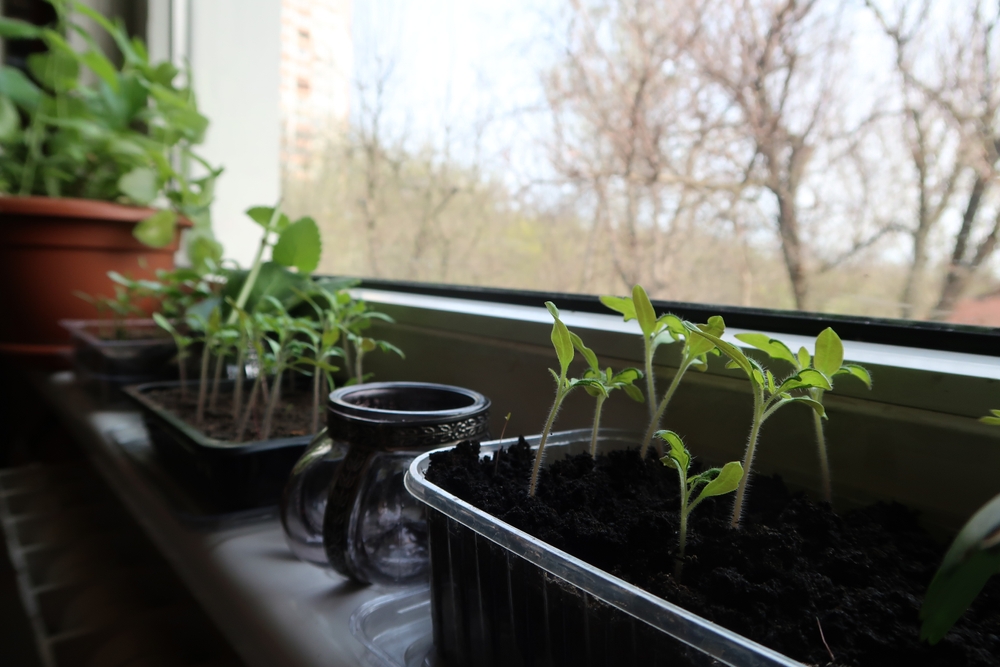
A sunny window does far more than brighten a kitchen—it quietly holds the power to grow real food. Window sill gardening turns even the smallest apartment into a productive green space filled with herbs, greens, and edible surprises. Instead of waiting for outdoor land or perfect soil conditions, this approach brings farming directly into daily life. Fresh basil for pasta, crisp lettuce for sandwiches, and fragrant mint for drinks all grow within arm’s reach. The magic of window sill gardening lies in its simplicity and accessibility, making food production feel fun instead of intimidating.
This method also reshapes how people think about space and self-sufficiency. A single ledge transforms into a living pantry that refreshes itself with sunlight and care. Beginners often start with just one pot and quickly expand after seeing how quickly plants respond indoors. The beauty of window sill gardening comes from its ability to deliver results without requiring complex setups or outdoor plots.
Why a Window Sill Works Like a Mini Greenhouse
Window sills create natural micro-environments that act like tiny greenhouses for plants. Sunlight pours through the glass, warming soil and encouraging steady growth throughout the day. Window sill gardening thrives in these conditions because plants receive consistent light exposure without weather disruptions. Even cooler climates still support strong herb growth when the sill captures enough direct sunlight. This setup removes many barriers that normally stop people from starting a garden.
Temperature stability also plays a huge role in success. Indoor spaces protect plants from frost, wind, and heavy rain while still giving them natural light cycles. Window sill gardening allows beginners to experiment without worrying about outdoor soil conditions or pests taking over overnight. The controlled environment helps plants grow predictably, which boosts confidence for new growers. Over time, a simple sill evolves into a reliable food-producing station that feels almost effortless.
The Best Plants That Thrive in Window Sill Gardening
Herbs dominate the window sill gardening world because they grow quickly and stay compact. Basil, parsley, chives, and cilantro all adapt well to limited space while delivering strong flavors for cooking. These plants respond quickly to trimming, which encourages more growth and frequent harvests. Leafy greens like spinach and arugula also perform well when given consistent light and moisture. Small tomatoes and peppers can succeed too when the window offers strong sun exposure.
Beginners often enjoy fast results when starting with herbs because they show visible progress within days. Window sill gardening rewards attention to detail, especially when plants receive balanced watering and proper drainage. Overwatering causes more problems than underwatering, so soil should stay slightly moist rather than soaked. Choosing the right plants for the light level of each window increases success dramatically. A well-planned sill turns into a rotating harvest of fresh ingredients all year long.
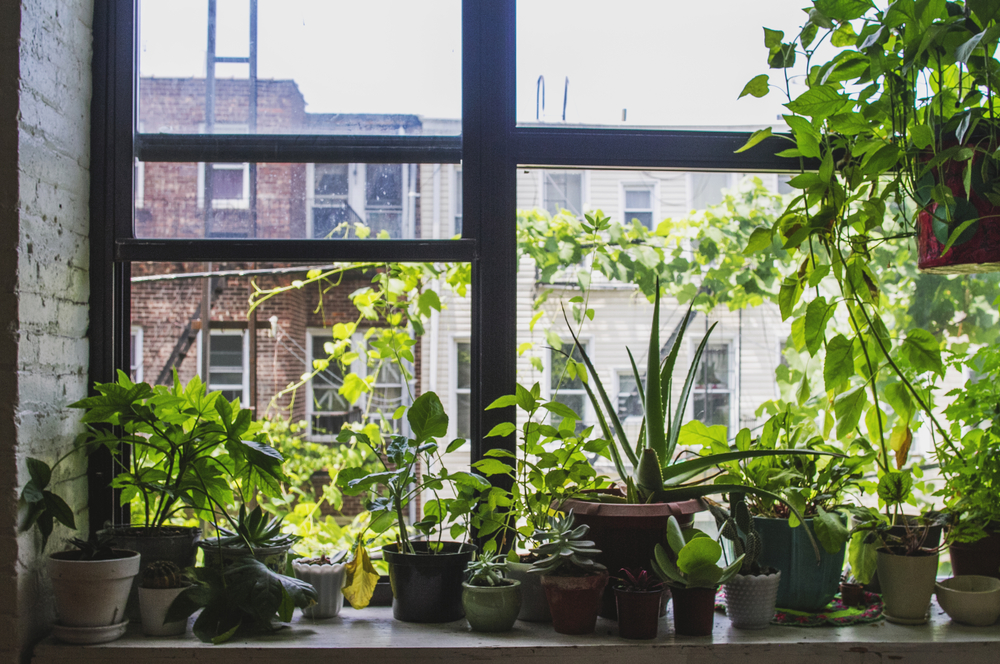
Tools That Make Window Sill Gardening Surprisingly Easy
Simple tools make window sill gardening far more effective and enjoyable. Small pots with drainage holes prevent water buildup and protect roots from rot. Lightweight soil mixes designed for containers help plants breathe and grow without compacting. A basic spray bottle allows gentle watering for delicate seedlings without disturbing the soil. These tools remove guesswork and create a smooth growing experience for beginners.
Grow lights also help when natural sunlight falls short during cloudy seasons. Window sill gardening improves dramatically when plants receive consistent light for at least several hours a day. Plant markers help track growth cycles and prevent confusion between similar-looking herbs. Small trays placed under pots catch excess water and keep windows clean and dry. With the right setup, even a narrow ledge becomes a highly productive growing station.
Mistakes That Turn Tiny Gardens Into Struggling Pots
Overcrowding ranks as one of the most common mistakes in window sill gardening. Too many plants fight for light, nutrients, and space, which slows growth significantly. Each plant needs room to expand roots and leaves without competing too aggressively. Ignoring sunlight direction also causes uneven growth and weak stems. Plants always lean toward light, so rotating pots helps maintain balanced development.
Inconsistent watering also disrupts success more than most beginners expect. Window sill gardening requires steady moisture levels without flooding the soil or letting it dry completely. Using heavy garden soil instead of light potting mix often suffocates roots and limits oxygen flow. Skipping pruning leads to tangled growth that blocks light from reaching lower leaves. Small corrections made early prevent larger problems later and keep plants thriving.
Turning a Kitchen Into a Living Food Station
A kitchen window transforms into a daily harvest point when window sill gardening becomes routine. Fresh herbs replace store-bought bundles that often wilt before use. Cooking becomes more spontaneous because ingredients grow just steps away from the stove. Even small harvests build momentum and encourage expansion into more pots and varieties. This setup turns food preparation into a more creative and connected experience.
The space also builds awareness around food cycles and growth patterns. Window sill gardening shows how quickly life responds to care, sunlight, and water. Families often enjoy watching herbs grow together, turning the sill into a shared project. Over time, the kitchen shifts from a cooking space into a small-scale food ecosystem. This transformation builds confidence in growing food anywhere, even without traditional gardens.
The Small Space Farming Mindset That Changes Everything
Window sill gardening reshapes how people view space, food, and self-reliance. It proves that farming does not require land, expensive equipment, or advanced skills. Small daily actions like watering or trimming create real, edible results over time. This mindset encourages experimentation and reduces hesitation around growing food at home. Even the smallest sill can produce meaningful harvests when treated with consistency and care.
The real power of window sill gardening lies in its simplicity and accessibility. Anyone can start with one pot, one plant, and one sunny window. Success builds confidence, and confidence leads to expansion into new plants and techniques. Over time, the sill becomes a dependable source of freshness and satisfaction. This approach turns ordinary windows into quiet but powerful food producers.
What would be the first plant chosen to start a window sill gardening setup in your home, and why?
You May Also Like…
The Indoor Herb Hack: Growing Fresh Flavor in a Dark Kitchen for Pennies
How to Start Seeds Indoors on a Tight Budget Without Wasting Money
Plants You Can Still Start Indoors for Free
Experts Say These Indoor Greenhouses Are Failing Seedlings in Cold Snaps
5 DIY Bird Deterrents That Protect Seeds and Seedlings

Brandon Marcus is a staff writer for FrugalGardening.com at District Media, Inc., where he delivers practical gardening advice with a relatable, no-nonsense style. An avid amateur gardener, he holds a BA degree and with over ten years of professional writing experience, he is also an award-winning published author whose first book, Questions For Deep Thinkers, was released by Adams Media. His work has appeared in major publications including Fandom.com, CHUD.com, TheColdWire.com, and Fansided.com.
Leave a Reply