
Stop throwing money at soil problems that fix themselves for free. Healthy soil does not demand expensive inputs, complicated routines, or endless hours of work. It thrives when it gets the right kind of help at the right time, and cover crops deliver exactly that without turning gardening into a second full-time job.
Picture a garden that builds its own fertility, blocks weeds before they even think about showing up, and holds moisture like a pro during dry spells. That kind of setup sounds like a dream, but it starts with something incredibly simple: planting the right cover crops and then letting them do their thing. The real magic comes from choosing low-cost options that grow fast, work hard, and quietly improve everything beneath the surface while barely asking for attention.
The “Plant It and Forget It” Superstars
Some cover crops act like overachievers without demanding praise, and those deserve a permanent spot in any soil-improving strategy. Options like clover, annual ryegrass, and buckwheat bring serious value while staying incredibly affordable, especially when bought in bulk or sourced locally. Clover fixes nitrogen directly into the soil, which means it pulls nutrients from the air and feeds the ground without any extra fertilizer. Annual ryegrass develops deep roots that break up compacted soil and improve drainage, which helps plants thrive without extra tilling or effort. Buckwheat grows at lightning speed, which allows it to outcompete weeds and cover bare soil before problems begin. Each of these crops grows quickly and establishes itself with minimal fuss, which makes them perfect for anyone who wants results without constant maintenance.
These crops also bring flexibility into the mix, which keeps things easy and efficient throughout the growing season. Buckwheat thrives in poor soil and short growing windows, which makes it perfect for filling gaps between main crops. Clover sticks around longer and creates a living mulch that protects soil from erosion while feeding it steadily. Ryegrass works well in off-seasons and holds soil in place during colder months when erosion risks spike. None of these require fancy equipment or complicated planting methods, and most tolerate less-than-perfect conditions without complaint.
Dirt That Feeds Itself? Yes, Please
Healthy soil does not happen by accident, but cover crops bring it surprisingly close to autopilot. These plants build organic matter as they grow, and that organic matter feeds beneficial microbes that keep soil alive and productive. When roots push through the ground, they create channels that improve airflow and water movement, which keeps everything balanced below the surface. Those improvements stick around long after the plants finish their job, which means one planting can deliver benefits for months. That long-lasting impact makes cover crops one of the smartest low-cost strategies available.
Cutting or mowing these crops at the right time locks in even more value without adding complexity. Once growth reaches its peak, a simple trim allows the plant material to break down and return nutrients directly into the soil. That process acts like a natural fertilizer cycle, and it requires almost no extra input beyond basic timing. Many gardeners skip digging altogether and let the plant matter decompose right where it falls, which saves effort and preserves soil structure. This approach keeps things low-maintenance while still delivering impressive results. Soil stays loose, rich, and ready for the next round of planting without extra amendments.
Timing also plays a key role, but it does not need to feel overwhelming. Fast growers like buckwheat can fit into short windows between major plantings, while slower growers like clover can stay in place longer and build deeper benefits over time. Choosing crops based on available timeframes keeps the process simple and effective. That kind of flexibility removes pressure and makes it easier to stick with the routine long term. Consistency matters more than perfection, and cover crops reward even small efforts with noticeable improvements.
Weed Control Without the Backbreaking Battle
Weeds love open soil, but cover crops shut that door before trouble begins. Fast-growing options like buckwheat create a dense canopy that blocks sunlight and prevents weed seeds from germinating. That natural suppression reduces the need for constant weeding sessions, which saves time and energy throughout the season. Instead of fighting weeds after they appear, cover crops stop them from gaining a foothold in the first place. That proactive approach changes the entire dynamic of garden maintenance.
Ground coverage also protects soil from erosion and moisture loss, which keeps conditions stable and productive. When soil stays covered, it holds water more effectively and resists damage from heavy rain or wind. That stability supports healthier plant growth and reduces the need for frequent watering. The result feels like a system that runs itself rather than one that demands constant attention. Cover crops quietly handle multiple problems at once without adding complexity.
Choosing the right crop mix can amplify those benefits even further. Combining clover with ryegrass, for example, creates a layered effect where one improves nutrients while the other strengthens soil structure. That teamwork builds resilience and makes the garden more self-sufficient over time. Mixing crops also increases biodiversity, which supports beneficial insects and microbes that keep the ecosystem balanced. That kind of natural support reduces reliance on outside inputs and keeps costs low. A simple seed blend can deliver a surprisingly powerful impact.
Budget-Friendly Choices That Actually Work
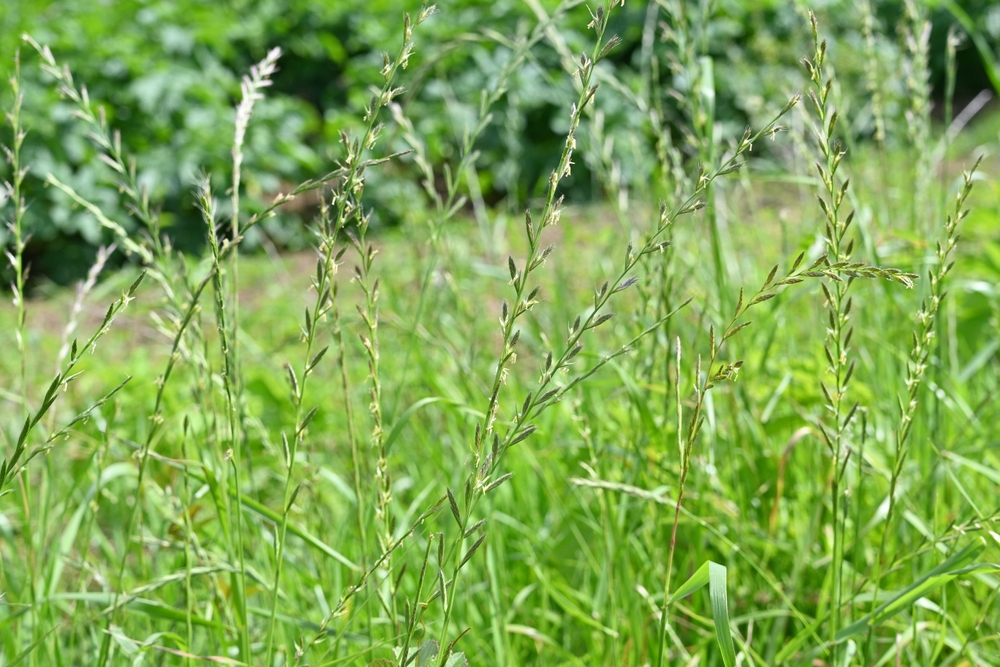
Cost often scares people away from trying new gardening strategies, but cover crops flip that concern on its head. Many of the best options cost very little per square foot, especially when purchased in larger quantities or shared among neighbors. Seeds like clover and ryegrass often show up at farm supply stores at a fraction of the price of traditional fertilizers or soil amendments. That affordability makes them accessible to almost anyone, regardless of garden size or experience level. Spending less while getting better results feels like a rare win.
Saving money also comes from reducing the need for other inputs. Healthier soil requires less fertilizer, retains water more effectively, and supports stronger plant growth without constant intervention. That reduction in ongoing costs adds up quickly over time, especially in larger gardens or repeated growing cycles. Cover crops create a system that builds on itself, which means each season becomes easier and more efficient. That kind of momentum keeps things sustainable without draining resources.
Simple sourcing strategies can stretch the budget even further. Local seed exchanges, community gardening groups, and farm co-ops often offer affordable or even free seed options. Some gardeners save seeds from previous plantings, which creates a self-sustaining cycle that eliminates future costs altogether. Those small adjustments make cover cropping one of the most budget-friendly tools available. With a little planning, it becomes possible to improve soil health year after year without spending much at all.
Healthier Soil Without the Hassle
Strong soil does not demand complicated systems or expensive fixes, and cover crops prove that with every season they grow. They build fertility, block weeds, protect moisture, and improve structure all at once, which makes them one of the most efficient tools available. Choosing low-cost options keeps the process accessible while still delivering impressive results. That combination of simplicity and effectiveness makes it hard to ignore their value.
Sticking with a few reliable crops and planting them consistently creates a rhythm that feels easy to maintain. Over time, the soil becomes richer, more stable, and far more productive without requiring constant input. That kind of progress builds confidence and encourages even better practices down the line. The entire system starts to feel less like work and more like a smart, sustainable routine.
What kind of cover crops have worked best in your garden, or which ones are you thinking about trying next? Drop your thoughts, ideas, or strategies in the comments and get the conversation growing.
You May Also Like…
Why Winter Cover Crops Boost Soil Health
The Cover Crop That Revives Dead Soil Over Winter
How Cover Crops Boost Spring Yields
11 Cold-Weather Crops You Can Still Grow Under a Simple Cover
Cheap Alternatives to Traditional Row Covers

Brandon Marcus is a staff writer for FrugalGardening.com at District Media, Inc., where he delivers practical gardening advice with a relatable, no-nonsense style. An avid amateur gardener, he holds a BA degree and with over ten years of professional writing experience, he is also an award-winning published author whose first book, Questions For Deep Thinkers, was released by Adams Media. His work has appeared in major publications including Fandom.com, CHUD.com, TheColdWire.com, and Fansided.com.
Leave a Reply