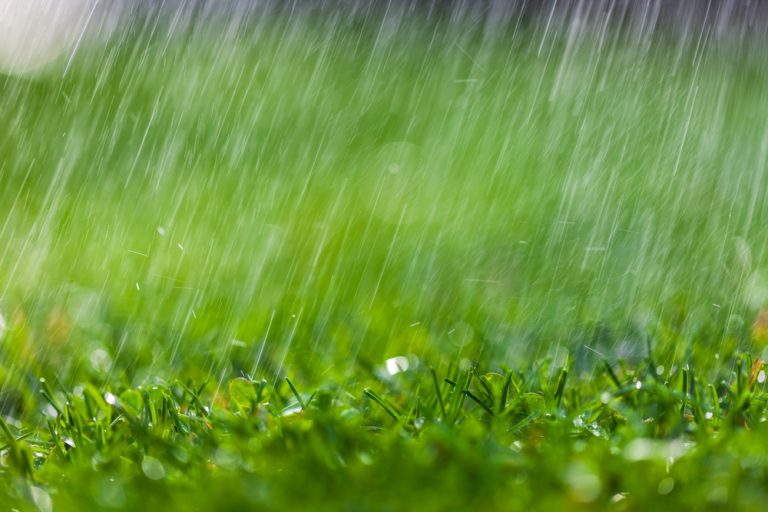
Heavy rain feels like a gift to the garden, soaking everything in a deep, refreshing drink that seems to promise lush growth and happy plants. But right after the storm passes, one small mistake can quietly set off a chain reaction that damages roots, weakens stems, and invites disease. Many gardens look perfectly fine on…
plant disease
What Slime on Your Soil Means and When You Should Be Concerned
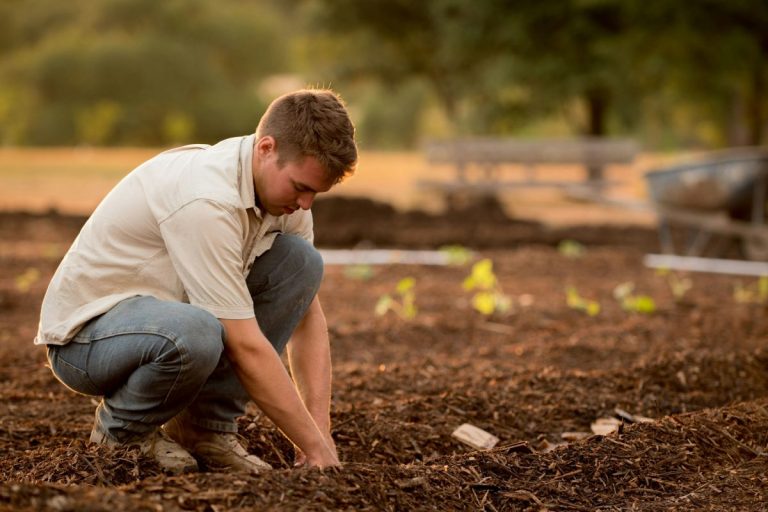
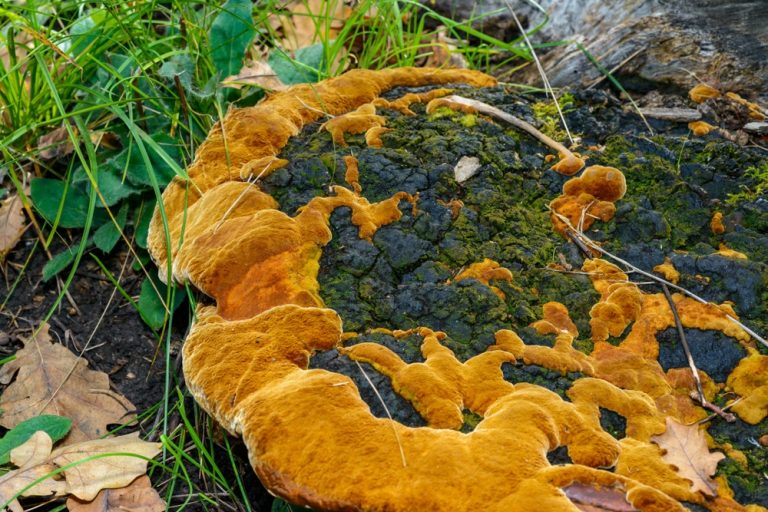
It looks like something from another planet. Bright, squishy, and oddly alive, that mysterious slime creeping across soil can stop anyone in their tracks and spark instant curiosity. It doesn’t politely blend in with the garden or quietly support plant growth; it announces itself with color, texture, and a bold refusal to go unnoticed. That…
Experts Say a New Fungus Is Spreading Through Mulch in Georgia
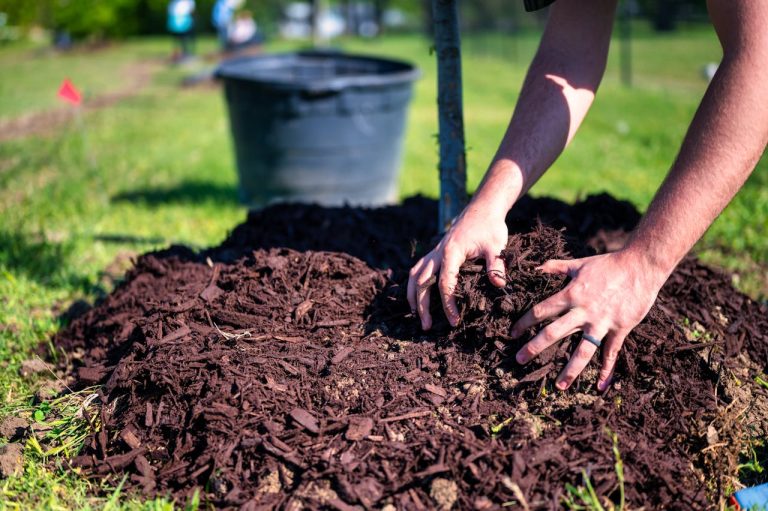
A strange, foamy growth has started turning up in mulch beds across Georgia, and it doesn’t exactly blend in with the azaleas. In some yards, it looks like scrambled eggs dumped on the ground. In others, it forms bright yellow patches that seem to swell overnight. The sight alone can make anyone stop in their…
Why Gardeners Are Accidentally Spreading Disease With This Common Tool
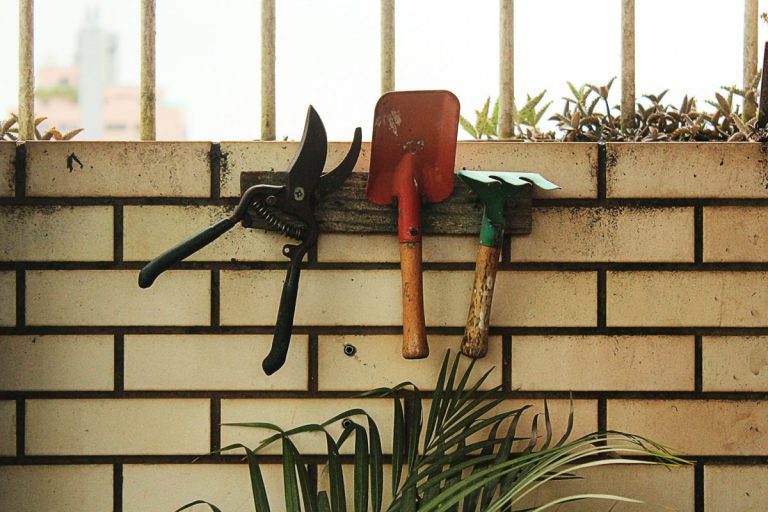
Your garden might look peaceful, but every snip of your pruning shears can unleash a microscopic chain reaction that reshapes it for months. That innocent pair of blades in your hand can act like a shuttle bus for pathogens, moving disease from one plant to the next with ruthless efficiency. Gardeners obsess over sunlight, soil…
Why Gardeners in Texas Are Losing Entire Beds to This Soil-Borne Fungus
One week your peppers look fine, and the next week an entire section of the bed collapses like someone flipped a switch. In Texas, that “sudden wipeout” pattern is often tied to heat, humid nights, and a pathogen that hangs out in the soil waiting for the perfect moment—often southern blight (Sclerotium rolfsii). The frustrating…
Why Your Compost Bin Could Be Breeding a Fungus That Kills Seedlings
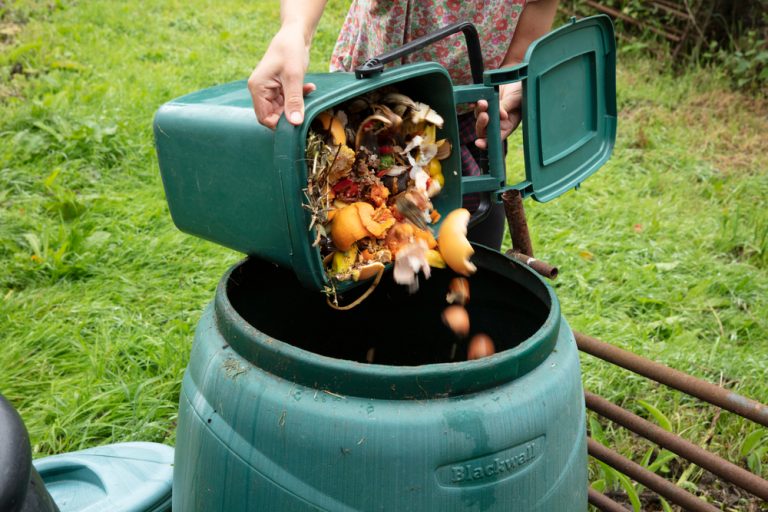
You lovingly nurture your compost bin like it’s a pet—tossing kitchen scraps and yard waste with dreams of rich soil to feed your garden. But imagine your compost quietly turning into an unwelcome incubator for fungi that could wipe out your fragile seedlings before they even get a chance to sprout strong roots. It’s a…
9 Winter Pruning Cuts That Invite Disease in Spring
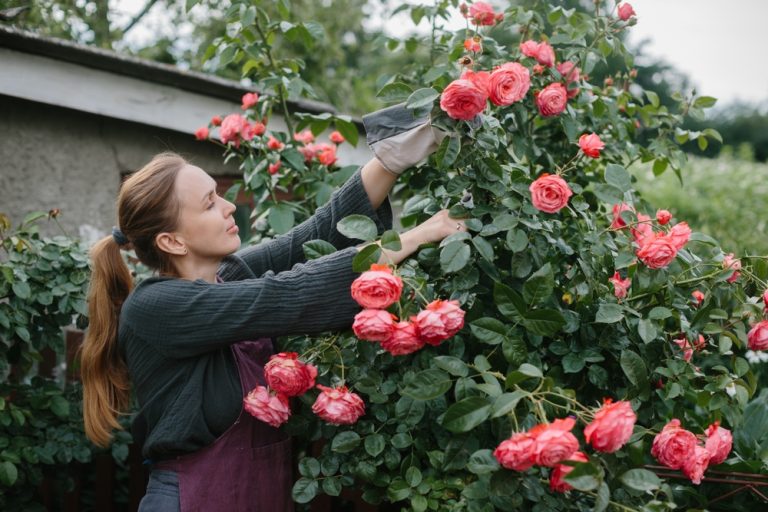
Winter pruning can feel like a secret art—your hands in the chill air, shears in motion, imagining the perfect shape of your trees and shrubs. But here’s the catch: one wrong snip can turn your cozy garden into a hotbed for disease when the warmth returns. Plants may look dormant, but that doesn’t mean they’re…
Why Over-Fertilizing Kills More Plants in Fall
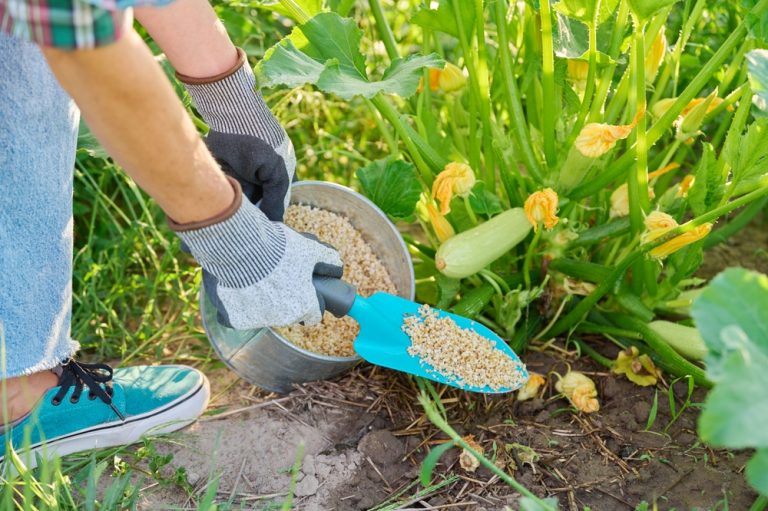
Fall is supposed to be the season of slow, cozy growth—leaves turning golden, temperatures cooling, and gardeners finally catching a breath after a busy summer. Yet somehow, many plants don’t make it to winter. The culprit isn’t frost, pests, or drought—it’s over-fertilization, a sneaky habit that often masquerades as care. Gardeners think they’re helping, but…
How to Spot Hidden Disease in Your Compost Pile Before It Spreads
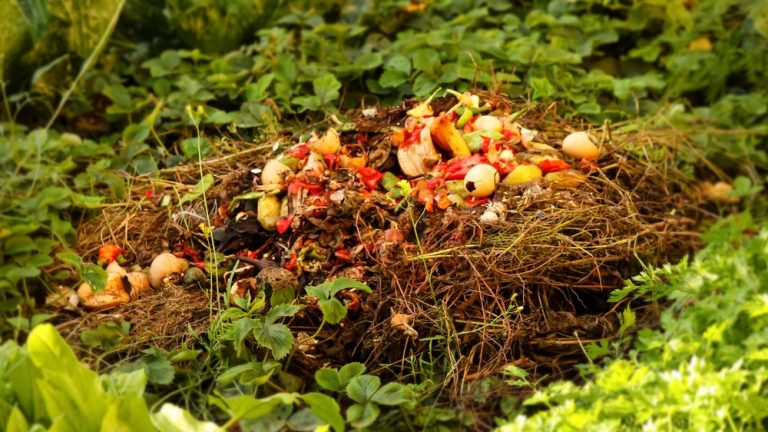
Composting is one of the most satisfying ways to turn kitchen scraps and yard waste into rich, fertile soil. But even the most careful composters can face a sneaky problem: hidden diseases lurking in your pile. These microbial troublemakers can hitch a ride on fruit peels, garden clippings, or even soil, quietly multiplying and threatening…
Why Morning Dew Affects Disease Rates in Fall

Ever stepped outside on a crisp autumn morning, taken a deep breath, and noticed that thin, glassy shimmer covering your car or the grass beneath your feet? That’s morning dew—a quiet, sparkling reminder that summer’s heat is fading and the chill of fall is taking over. But beyond looking pretty, that delicate layer of moisture…