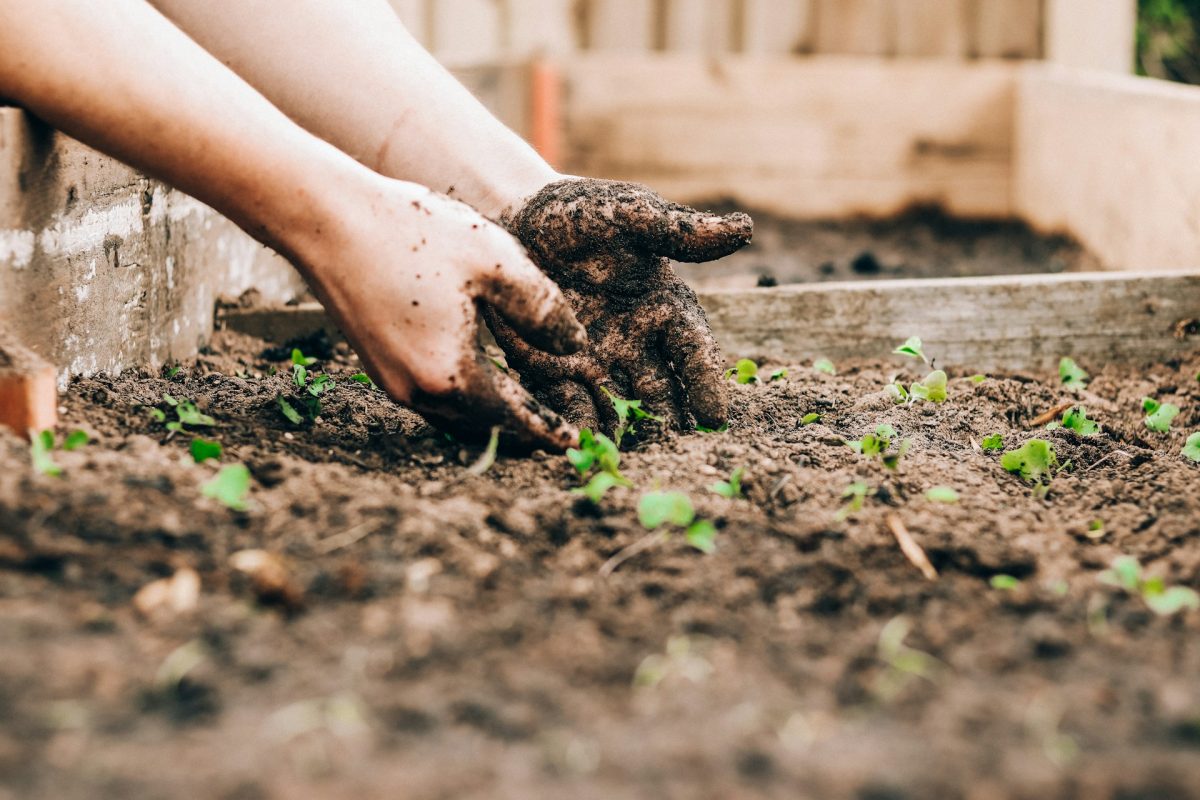
Some gardens explode with life while others struggle, and the difference almost always starts underground. Soil holds secrets, and those secrets decide whether plants thrive, barely survive, or give up entirely. No expensive gadgets or lab kits stand between a struggling garden and a thriving one—just curiosity, a little patience, and a willingness to get hands dirty. The ground beneath every garden already tells a story, and it does not need translation through complicated tools.
A simple backyard can turn into a science lab without looking like one. Everyday household items and a bit of observation unlock powerful clues about nutrients, drainage, and structure. Each test reveals a piece of the puzzle, and together they create a clear picture of what plants actually need.
1. The Squeeze Test That Says More Than Words Ever Could
Soil texture shapes everything from water retention to root growth, and the squeeze test delivers instant insight with zero setup. A small handful of slightly damp soil tells the story right away. When squeezed, sandy soil falls apart quickly and refuses to hold shape, while clay soil clings together stubbornly and feels dense. Loamy soil lands right in the sweet spot, holding together gently while still crumbling with a light poke.
This quick test helps guide planting decisions and watering habits. Sandy soil drains fast, which means plants need more frequent watering and added organic matter to hold moisture. Clay soil traps water, which sounds helpful until roots start suffocating from lack of airflow. Loam provides the ideal balance, making it a gardener’s dream, but most soil needs a little improvement to reach that point. Adding compost improves almost any texture, making soil more forgiving and easier to work with.
Consistency matters here, so repeating the test in different spots across a yard gives a fuller picture. One area might behave like sand while another acts like clay, and that variation affects plant choices. Recognizing those differences allows for smarter placement of flowers, vegetables, and shrubs. That simple squeeze becomes a powerful first step toward a healthier garden.
2. The Jar Shake Test That Turns Dirt Into Layers of Truth
A clear jar, some water, and a bit of shaking reveal more than expected. Soil separates into layers when mixed with water and left to settle, and each layer represents a different particle size. Sand sinks quickly to the bottom, silt forms a middle layer, and clay floats longer before settling on top. After a few hours—or even better, overnight—the jar displays a visual breakdown of soil composition.
This test gives a more precise look at soil structure than the squeeze method alone. A thick sand layer signals fast drainage and low nutrient retention, while a heavy clay layer suggests slow drainage and potential compaction issues. Balanced layers point toward loamy soil, which supports a wide variety of plants. Understanding this breakdown helps guide decisions about amendments like compost, sand, or organic matter.
A simple ruler can turn this into a mini science experiment by measuring each layer and calculating percentages. That added detail sharpens the understanding of soil composition without adding complexity. Repeating the test across different areas creates a map of soil conditions, helping tailor care for each section. This jar test transforms ordinary dirt into a surprisingly informative snapshot.
3. The Drainage Test That Predicts Plant Happiness
Water either moves through soil smoothly or sticks around longer than welcome, and plants notice the difference immediately. A simple hole about a foot deep sets up this test. Filling it with water and timing how long it takes to drain reveals how well soil handles moisture. Fast drainage means water disappears in under an hour, while slow drainage keeps water sitting for several hours or more.
This test plays a huge role in plant selection and care routines. Poor drainage leads to root rot and weak growth, especially for plants that prefer drier conditions. On the flip side, overly fast drainage leaves plants thirsty and struggling to access nutrients. Adjustments can fix both problems, often with organic matter that improves structure and balances water movement.
Repeating the test after making improvements helps track progress. Soil responds over time, and changes do not always happen overnight. Observing how drainage improves gives confidence that efforts move in the right direction. This simple hole in the ground ends up answering one of the most important questions any gardener can ask.
4. The Earthworm Count That Reveals Living Soil
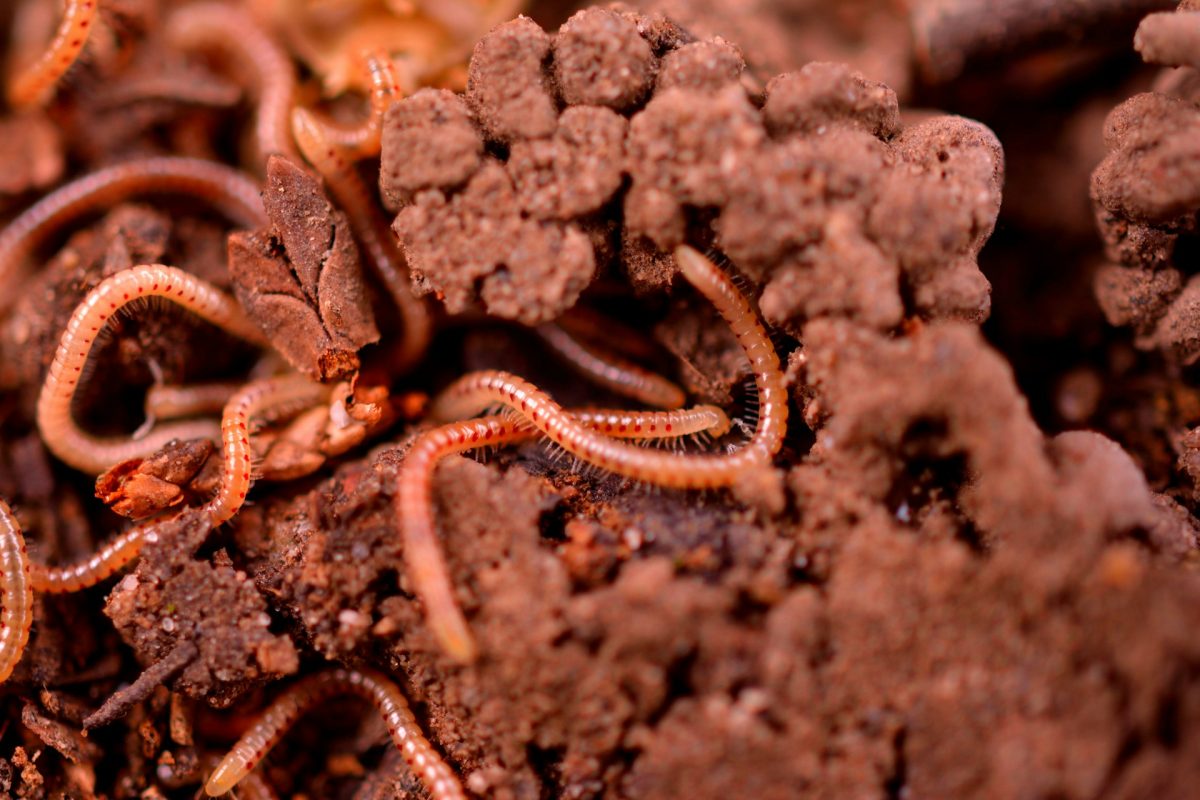
Healthy soil teems with life, and earthworms act like tiny underground engineers. Digging a small section of soil and counting visible worms offers a quick health check. A thriving patch usually contains several worms in a small area, while a lack of worms signals trouble. These creatures break down organic matter, improve aeration, and help create nutrient-rich soil.
Worm activity reflects the overall ecosystem beneath the surface. Soil that supports worms usually contains enough organic material and maintains a balanced structure. Poor soil often lacks food sources or suffers from compaction and chemical imbalances. Increasing worm populations often starts with adding compost, reducing chemical use, and keeping soil consistently moist.
Checking for worms regularly creates a simple benchmark for soil improvement. More worms over time signal positive change, while fewer worms suggest something needs adjustment. This test connects directly to long-term soil health, making it one of the most valuable observations available without any tools at all.
5. The Vinegar and Baking Soda Test for pH Clues
Soil pH affects how plants absorb nutrients, and this test offers a rough but useful estimate using common kitchen items. Adding vinegar to a small soil sample checks for alkalinity, as fizzing indicates a higher pH. A separate sample mixed with water and baking soda reacts if the soil leans acidic. While this method does not deliver exact numbers, it provides enough direction to guide decisions.
Understanding pH helps match plants to the right environment. Some plants thrive in acidic soil, while others prefer neutral or alkaline conditions. Adjusting pH takes time, but small steps like adding lime or sulfur can gradually shift the balance. This test helps avoid guesswork and prevents mismatches that lead to poor growth.
Repeating the test seasonally helps track changes, especially after adding amendments. Soil conditions evolve, and staying aware of those shifts keeps plants on track. Even without precise measurements, this simple method gives a surprisingly helpful glimpse into one of the most important soil factors.
6. The Compaction Test That Exposes Hidden Barriers
Roots need space to grow, and compacted soil blocks that growth in frustrating ways. A simple stick, screwdriver, or even a finger can test compaction by pressing into the soil. Easy penetration suggests loose, healthy soil, while resistance signals compaction. Hard soil restricts root expansion and limits access to water and nutrients.
Compaction often results from heavy foot traffic, machinery, or even frequent watering without proper drainage. Breaking up compacted soil with aeration or adding organic matter can restore structure over time. Raised beds or designated walkways help prevent the problem from returning.
Testing different areas highlights where compaction occurs most often. Those spots might need extra attention or a change in how the space gets used. This quick check helps remove invisible barriers that hold plants back, making it a key step in improving overall garden performance.
7. The Smell Test That Speaks Volumes
Healthy soil carries a rich, earthy scent that signals life and balance. A quick sniff can reveal a lot about what happens beneath the surface. Pleasant, fresh smells usually indicate active microorganisms and good organic content. Sour or rotten odors suggest poor drainage or harmful conditions like anaerobic bacteria.
This test relies on simple observation but delivers meaningful insight. Soil that smells off often needs immediate attention, especially if plants show signs of stress. Improving drainage, adding compost, and reducing overwatering can restore balance and bring back that healthy scent.
Regularly checking soil smell builds familiarity with what healthy soil should be. That awareness makes it easier to catch problems early before they escalate. Sometimes the nose picks up what eyes cannot see, turning this simple test into a surprisingly powerful tool.
Dirt Holds the Answers—If Attention Stays Sharp
Every handful of soil carries clues, and those clues shape everything that grows above it. These simple tests turn guesswork into strategy, giving a clear path toward healthier plants and stronger gardens. None of them require fancy tools, yet each one delivers valuable insight that guides smarter decisions. Small changes based on these observations can transform an entire growing space over time.
Which of these tests sounds the most surprising, and what results show up after giving one a try? Give us some thoughts, experiences, or even unexpected discoveries in the comments.
You May Also Like…
Low-Cost Cover Crops That Improve Soil Without Extra Work
How to Fix Uneven Soil pH Without Buying Costly Test Kits
Why Soil Testing Saves Money Over Time
How to Grow Fresh Herbs on a Windowsill Without Buying Garden Soil
5 Warning Signs Your Soil Is Too Compacted for Healthy Root Development

Brandon Marcus is a staff writer for FrugalGardening.com at District Media, Inc., where he delivers practical gardening advice with a relatable, no-nonsense style. An avid amateur gardener, he holds a BA degree and with over ten years of professional writing experience, he is also an award-winning published author whose first book, Questions For Deep Thinkers, was released by Adams Media. His work has appeared in major publications including Fandom.com, CHUD.com, TheColdWire.com, and Fansided.com.
Leave a Reply