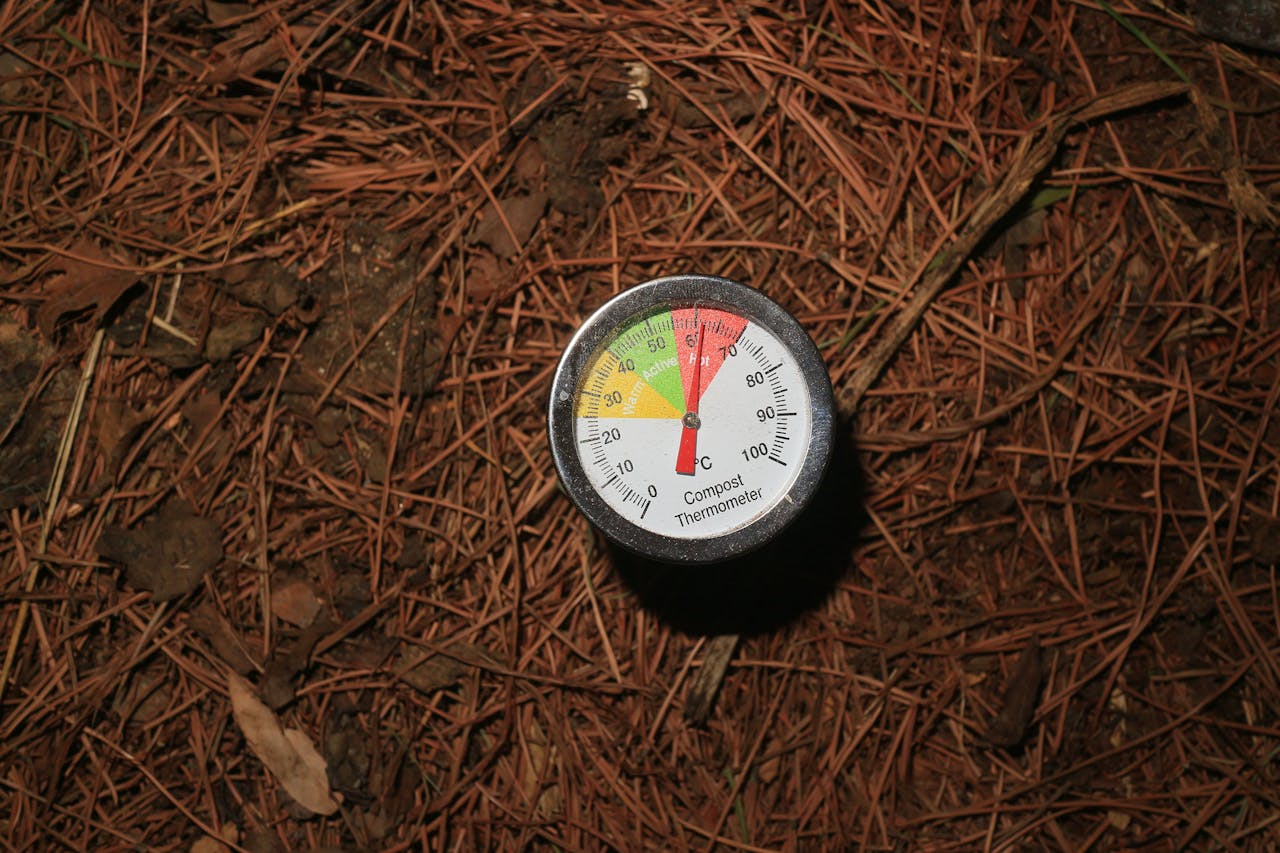
A compost pile should feel alive. It should hum with energy, steam on cool mornings, and quietly transform scraps into dark, crumbly gold. When that heat disappears, the whole process stalls out, and what should smell earthy and rich starts leaning toward soggy, sluggish, and disappointing. A cold compost pile doesn’t just sit there; it signals that something inside the system has fallen out of balance, and ignoring it only drags the process out for weeks or even months.
That’s where things get interesting, because compost doesn’t need complicated fixes or expensive tools to bounce back. It needs attention, a few smart adjustments, and a bit of curiosity about what’s going on inside that pile. Temperature drops don’t happen randomly, and once the real cause comes into focus, the solution usually feels surprisingly simple.
Your Compost Is Hungry, Not Broken
A compost pile that refuses to heat up often suffers from one simple issue: it doesn’t have the right fuel mix to get the microbes working at full speed. Compost thrives on balance, especially the ratio between “greens” and “browns.” Greens include nitrogen-rich materials like fruit scraps, vegetable peels, coffee grounds, and fresh grass clippings, while browns include carbon-heavy items like dry leaves, cardboard, and straw. When that ratio leans too far in one direction, the microbial activity slows down, and the heat disappears along with it.
A pile overloaded with browns looks neat and tidy, but it starves the microbes of nitrogen, which they need to reproduce and generate heat. On the flip side, too many greens create a wet, dense mess that blocks airflow and leads to unpleasant odors instead of heat. A healthy compost pile typically leans toward a rough balance of about two to three parts browns to one part greens, although flexibility matters more than perfection. Tossing in a mix of kitchen scraps and dry material consistently keeps things moving in the right direction.
Fixing this problem starts with a quick audit of what’s actually in the pile. If the contents look dry, pale, and woody, then the pile needs more greens immediately. Adding a bucket of fresh grass clippings or vegetable scraps can kickstart microbial activity within days. If the pile looks slimy or smells sour, then it needs more browns to soak up excess moisture and restore structure. Layering in shredded cardboard or dry leaves works quickly and improves airflow at the same time.
Airflow: The Invisible Game-Changer
Oxygen fuels the entire composting process, and without it, even a perfectly balanced pile can stall out. Microbes that generate heat need air to thrive, and when the pile compacts or becomes too wet, oxygen struggles to circulate through the layers. That suffocation effect shuts down the heat-producing organisms and allows slower, less efficient microbes to take over. The result feels frustrating because everything looks fine on the surface, but the core stays cold.
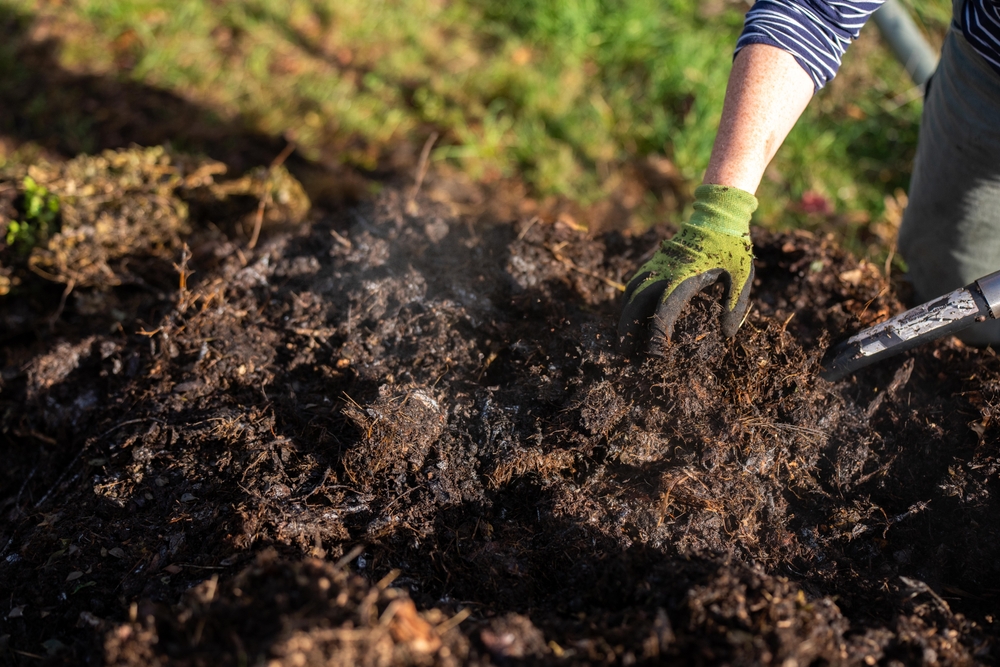
Turning the pile solves this problem faster than almost anything else. Mixing the materials breaks up compacted sections and introduces fresh oxygen directly into the center, where microbial activity matters most. A good turn doesn’t need to look perfect; it just needs to move material from the outside toward the inside and loosen things up. Even turning once every week or two can dramatically improve heat levels and overall performance.
Structure also plays a huge role in maintaining airflow. Large chunks of material, like whole vegetable scraps or thick branches, create pockets where air struggles to move. Chopping or shredding materials before adding them increases surface area and helps everything break down more evenly. That extra effort pays off with faster decomposition and a more consistent temperature throughout the pile. Moisture ties directly into airflow as well. A pile that feels soaked or muddy compresses under its own weight, squeezing out the oxygen microbes need. The ideal compost texture feels like a wrung-out sponge, damp but not dripping.
Size Matters More Than You Think
A compost pile that stays too small simply cannot hold onto heat, no matter how perfect the mix looks. Microbial activity generates warmth, but a small pile loses that heat to the surrounding air almost immediately. That’s why compost experts often recommend building a pile at least three feet wide, three feet tall, and three feet deep. That size creates enough internal mass to trap heat and allow temperatures to rise.
Small piles often frustrate people because they appear manageable and tidy, but they lack the critical mass needed for real decomposition speed. Adding more material doesn’t just increase volume; it creates the conditions where microbes can thrive without constant temperature loss. Even a pile that started small can grow into an effective system with consistent additions over time.
Insulation also matters, especially in cooler conditions. A pile exposed to wind or open air loses heat quickly, even if it has enough mass. Surrounding the compost with a simple bin, a layer of straw, or even stacked leaves helps trap warmth and protect the internal environment. That extra layer keeps microbial activity stable and prevents sudden temperature drops. Location makes a difference too. A pile placed in direct contact with the ground benefits from natural organisms and retains moisture better than one sitting on a hard surface. Sun exposure can help slightly, but internal microbial activity does most of the heating work. Focus on building size and structure first, and the heat usually follows without much extra intervention.
The Moisture Sweet Spot That Changes Everything
Water might not seem like the star of the composting process, but it quietly controls how everything else functions. Microbes need moisture to survive and move through the pile, yet too much water drowns them and blocks airflow. That delicate balance often determines whether a compost pile heats up or stalls out completely.
A dry pile struggles to break down materials because microbial activity slows to a crawl without enough moisture. In that state, even a well-balanced mix of greens and browns won’t generate much heat. Adding water gradually, while turning the pile, helps distribute moisture evenly and wakes up the microbes almost immediately. A quick squeeze test offers a simple check: the material should feel damp but should not release water when squeezed.
Too much moisture creates the opposite problem, turning the pile into a heavy, compact mass that suffocates microbial life. Rain exposure often causes this issue, especially when piles sit uncovered. Adding dry materials like shredded paper, straw, or leaves absorbs excess water and restores the right texture. Turning the pile at the same time helps redistribute moisture and improve airflow.
Turn Up the Heat and Keep It There
A compost pile doesn’t need perfection; it needs momentum. When the balance of greens and browns lines up, airflow flows freely, the pile holds enough mass, and moisture stays in check, the system practically runs itself. Heat builds naturally, microbes thrive, and the transformation from scraps to rich compost happens faster than expected. Small adjustments often create big results, especially when they target the exact issue holding the pile back.
What’s happening in your compost pile right now, and which of these fixes sounds like the one it needs most? Share thoughts, strategies, or even compost frustrations in the comments and keep the conversation growing.
You May Also Like…
4 Composting Tricks That Work Better Than Store-Bought Bags
Why Some Compost Smells in Spring
The Compost Mistake That Wastes Money Every Spring
Studies Find Dangerous Bacteria in DIY Compost — Experts Urge Caution
8 Winter Compost Additives That Speed Up Breakdown

Brandon Marcus is a staff writer for FrugalGardening.com at District Media, Inc., where he delivers practical gardening advice with a relatable, no-nonsense style. An avid amateur gardener, he holds a BA degree and with over ten years of professional writing experience, he is also an award-winning published author whose first book, Questions For Deep Thinkers, was released by Adams Media. His work has appeared in major publications including Fandom.com, CHUD.com, TheColdWire.com, and Fansided.com.
Leave a Reply