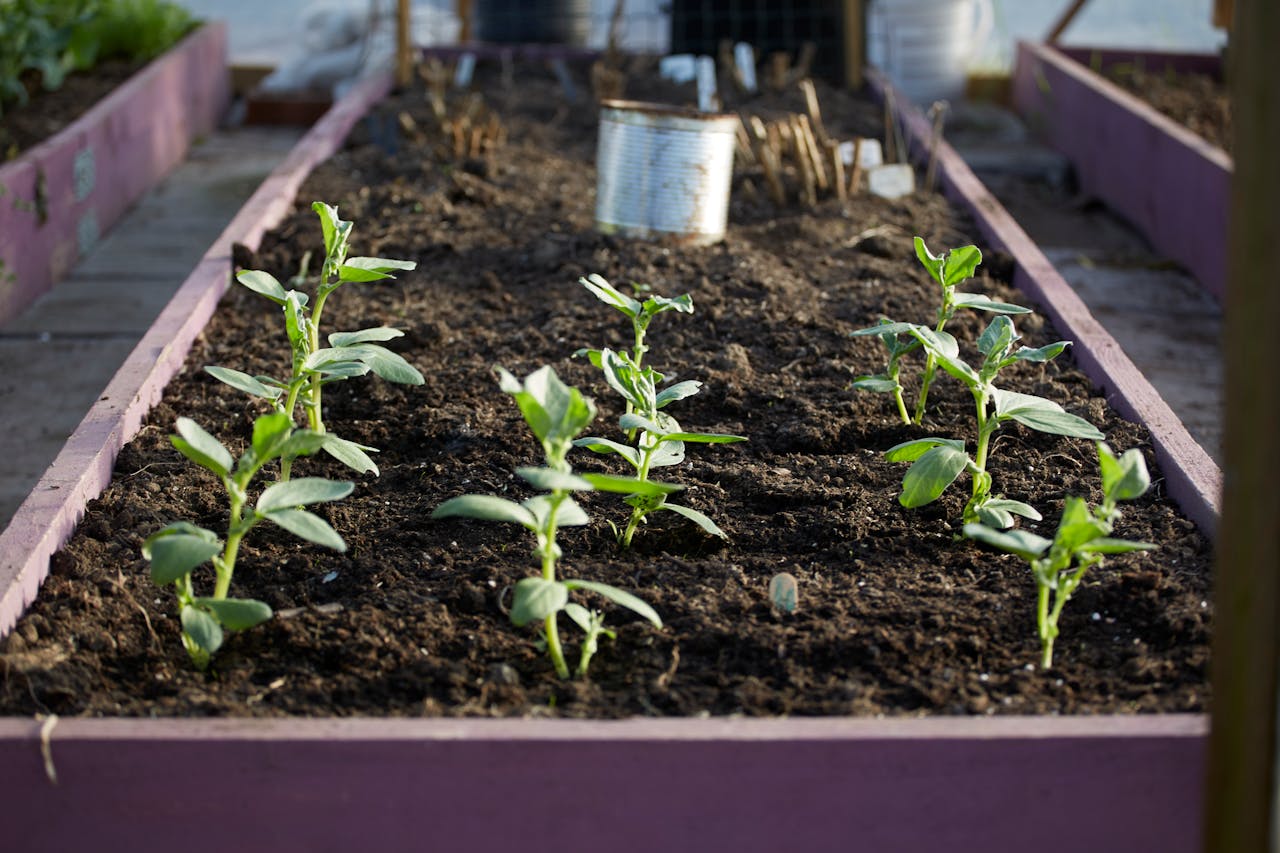
Raised bed gardening keeps winning over home gardeners for one simple reason—results show up fast and stay consistent. These tidy, elevated garden spaces help control soil quality, improve drainage, and reduce back strain while planting and harvesting. Even better, raised beds make it easier to grow high-performing crops without battling compacted soil or unpredictable ground conditions.
Many gardeners across the United States rely on them to stretch growing seasons and maximize small yards. With the right choices, raised beds turn even average garden spaces into productive food factories.
1. Tomatoes That Refuse to Quit
Tomatoes dominate raised beds because they thrive in warm, well-drained soil with steady nutrients. Raised beds allow roots to spread without hitting hardpan or clay barriers that stunt growth. Varieties like ‘Celebrity’ and ‘Better Boy’ produce reliable yields across many U.S. climates. Gardeners who stake or cage their tomatoes in raised beds often see cleaner fruit with fewer soil-borne diseases. A strong tomato harvest sets the tone for the entire garden season.
Tomatoes also benefit from consistent watering, which raised beds manage better than in-ground plots. Soil warms faster in spring, giving transplants a head start when temperatures still fluctuate. Many gardeners notice earlier fruiting and longer harvest windows. Healthy tomato plants in raised beds often outproduce traditional garden rows by a noticeable margin. That dependable performance keeps tomatoes at the top of any raised bed list.
2. Crisp Lettuce for Quick Harvests
Lettuce thrives in raised beds because it loves loose soil and cooler root zones. Loose soil allows delicate roots to expand without resistance, which leads to faster growth. Popular varieties like romaine and butterhead perform especially well when spaced correctly. Many gardeners rotate lettuce every few weeks for continuous harvests through spring and fall. Raised beds make that rapid turnover far easier to manage.
Heat control also plays a big role in lettuce success. Raised beds allow better airflow, which reduces overheating during unpredictable spring weather. Shade cloth or partial shading works especially well in hot regions. Gardeners often harvest baby greens within 30 days under ideal conditions. That fast payoff makes lettuce one of the most satisfying raised bed staples.
3. Peppers That Love the Warmth
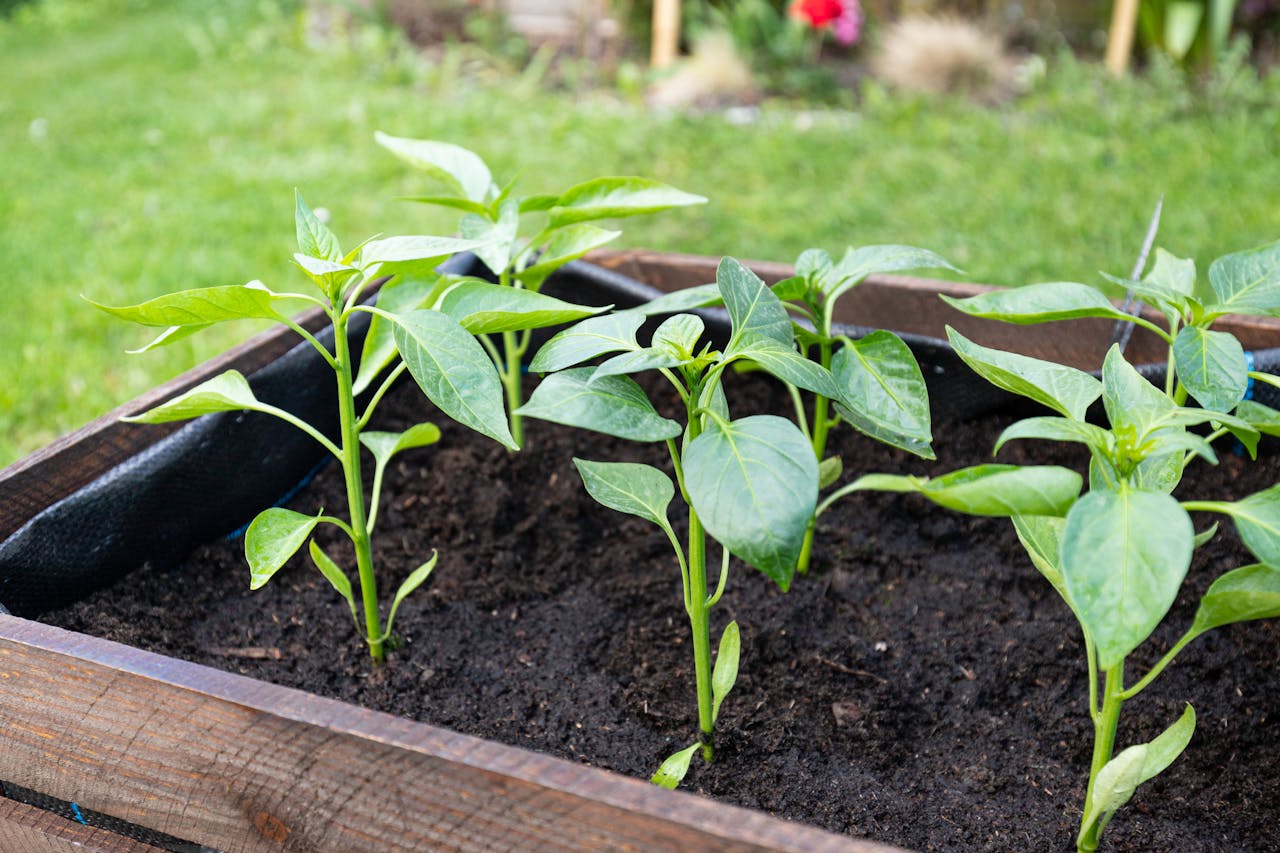
Peppers respond extremely well to the warm, controlled environment of raised beds. Soil warms quickly, which helps pepper seedlings establish strong roots early in the season. Varieties like jalapeño, bell, and banana peppers all thrive with steady heat and good drainage. Raised beds also reduce the risk of root rot, which peppers strongly dislike. Consistent conditions produce stronger plants and heavier yields.
Spacing also improves dramatically in raised beds, which peppers appreciate during their long growing season. Air circulation reduces fungal issues and supports healthy flowering. Many gardeners notice more uniform fruit size and better flavor intensity. Fertilization becomes easier to control in raised systems, leading to steady production. Peppers reward that consistency with a long harvest window stretching into late summer.
4. Carrots That Grow Straight and Strong
Carrots demand loose, rock-free soil, and raised beds deliver exactly that. Deep, fluffy soil allows roots to grow straight instead of twisting around obstacles. Varieties like ‘Nantes’ and ‘Danvers’ perform especially well in these controlled environments. Gardeners often notice fewer misshapen roots compared to in-ground planting. That consistency makes harvesting far more satisfying.
Raised beds also make thinning carrots easier, which directly improves root quality. Even spacing prevents crowding and allows full development underground. Soil moisture stays more balanced, which prevents cracking and bitterness. Many gardeners report sweeter flavor when carrots grow in raised beds. That combination of texture and taste keeps carrots a raised bed essential.
5. Bush Beans That Keep Producing
Bush beans thrive in raised beds because they love warm soil and efficient drainage. Plants germinate quickly and grow into compact, productive bushes. Varieties like ‘Provider’ and ‘Blue Lake Bush’ deliver steady yields without requiring heavy support structures. Raised beds allow easier harvesting without stepping on surrounding plants. That convenience keeps plants healthier throughout the season.
Continuous picking encourages more bean production over time. Raised beds make that frequent harvesting simple and accessible. Soil fertility stays easier to manage with compost additions between plantings. Many gardeners rotate beans to naturally improve nitrogen levels in the soil. That built-in soil boost helps future crops thrive even more.
6. Spinach for Cool-Season Power
Spinach thrives in raised beds because it prefers cool, well-drained environments. Loose soil allows fast germination and strong early growth. Varieties like ‘Bloomsdale’ and ‘Tyee’ handle temperature swings better in raised systems. Gardeners often plant spinach in early spring and again in fall for two productive cycles. Raised beds extend that window by improving soil control.
Heat stress remains the biggest challenge for spinach, but raised beds help moderate extremes. Partial shading and consistent watering keep leaves tender and flavorful. Many gardeners harvest multiple cuttings from the same planting. Nutrient-rich soil supports rapid leaf regrowth after each harvest. That repeat performance makes spinach a dependable raised bed favorite.
7. Zucchini That Goes Big Fast
Zucchini grows fast, and raised beds give it the space and nutrients it craves. Rich soil encourages rapid leaf development and strong flowering. Varieties like ‘Black Beauty’ produce abundant fruit when pollination stays consistent. Raised beds improve airflow, which helps reduce mildew issues common in squash plants. That healthier environment leads to longer production periods.
Zucchini plants spread quickly, so spacing becomes critical in raised beds. Strategic planting prevents overcrowding and keeps harvesting easy. Many gardeners pick fruit every two to three days during peak season. Fertile soil keeps production steady even under heavy harvest pressure. That reliability makes zucchini a classic raised bed powerhouse.
8. Herbs That Deliver Nonstop Flavor
Herbs like basil, parsley, thyme, and cilantro flourish in raised beds with minimal effort. Well-drained soil prevents root rot and encourages strong aromatic oils. Compact growth habits fit perfectly into tight raised bed layouts. Frequent harvesting promotes bushier plants and stronger flavors. Raised beds make that frequent trimming easier and more enjoyable.
Many gardeners place herbs along bed edges for quick access during cooking. Consistent soil quality ensures steady growth throughout the season. Herbs also attract beneficial insects that support surrounding vegetables. Dry or fresh, the flavor intensity stays high when soil conditions remain stable. That dependable output makes herbs an essential raised bed companion.
Raised Beds Turn Effort Into Reliable Harvests
Raised beds consistently outperform traditional garden layouts because they give gardeners control over soil, spacing, and drainage. Each plant on this list thrives under those stable conditions, from heavy feeders like tomatoes to delicate greens like spinach. Smart crop selection transforms even small backyard spaces into productive growing zones. Gardeners who focus on consistency over complexity often see the best long-term results. Raised beds reward that approach with healthier plants and more predictable harvests season after season.
What raised bed crop has surprised you the most with its performance, and what would make it onto your personal must-grow list?
You May Also Like…
Why Raised Beds Warm Faster and Boost Early Growth
Stop Buying Raised Beds: 4 Cheap Building Alternatives That Last Longer
Early Termite Warning Signs Around Garden Beds
How to Prep Garden Beds Without Buying Bagged Mixes
Why Gardeners in Texas Are Losing Entire Beds to This Soil-Borne Fungus

Brandon Marcus is a staff writer for FrugalGardening.com at District Media, Inc., where he delivers practical gardening advice with a relatable, no-nonsense style. An avid amateur gardener, he holds a BA degree and with over ten years of professional writing experience, he is also an award-winning published author whose first book, Questions For Deep Thinkers, was released by Adams Media. His work has appeared in major publications including Fandom.com, CHUD.com, TheColdWire.com, and Fansided.com.
Leave a Reply