Gardening rewards patience in ways that often surprise even experienced growers. Plants do not operate on human schedules, and rushing the harvest window can quietly sabotage months of careful work. Many gardeners focus on appearance or early excitement and end up picking produce before it reaches full biological maturity. That single decision can ripple through the entire plant system, lowering total production and weakening future growth cycles. A strong harvest depends on timing that respects how plants allocate energy, develop sugars, and complete their natural growth phases.
Misjudging harvest timing does not just affect a single fruit or vegetable. It influences the entire plant’s ability to continue producing at full strength. Early picking sends signals that interrupt normal development patterns and can redirect energy away from future yields. Once gardeners recognize how deeply timing affects production, the entire approach to harvesting shifts toward strategy instead of impulse.
Why Early Harvesting Disrupts Plant Energy Flow
Plants operate like carefully balanced energy systems that distribute resources between roots, leaves, and fruit. When gardeners harvest too early, plants often redirect energy to survival mode instead of production mode. That shift reduces the plant’s ability to develop additional flowers or fruit clusters later in the season. Many crops depend on mature fruit cycles to trigger continued production, and early removal interrupts that rhythm. Healthy plants rely on completing full ripening stages to maintain long-term output strength.
Premature harvesting also reduces the plant’s feedback signals that regulate growth. Fruits and vegetables send hormonal signals that help the plant decide when to continue or slow production. Cutting that process short confuses the plant and weakens its future yield potential. Over time, repeated early harvesting can shrink the overall harvest window significantly. Gardeners who allow full maturity cycles often see steadier and larger production across the entire season.
How Timing Impacts Flavor, Size, and Nutrient Density
Timing plays a major role in how crops develop taste, texture, and nutritional value. Fruits and vegetables accumulate sugars, minerals, and antioxidants during the final stages of ripening. Harvesting too early stops that accumulation and produces food that tastes flat or underdeveloped. Tomatoes, peppers, and berries often show the biggest difference when picked before full maturity. That difference becomes especially noticeable in home gardens where flavor quality matters just as much as yield.
Size also suffers when harvesting happens too soon. Many crops continue expanding during their final ripening phase, which adds both weight and volume. Early picking locks produces into smaller dimensions and reduces total harvest weight across the season. Nutrient density also peaks closer to full maturity, which means early harvesting removes some of the most beneficial compounds. Gardeners who wait just a little longer often notice richer flavor and noticeably heavier harvest baskets.
Crops Most Affected by Premature Picking
Tomatoes rank among the most sensitive crops when it comes to harvest timing. Picking them early prevents full sugar development and can also reduce future fruiting cycles on indeterminate varieties. Peppers also suffer significantly because early harvesting limits their ability to reach full color, heat, and size potential. Both crops rely on complete ripening to maximize production efficiency throughout the season. A rushed harvest can cut overall output by reducing plant motivation to continue flowering.
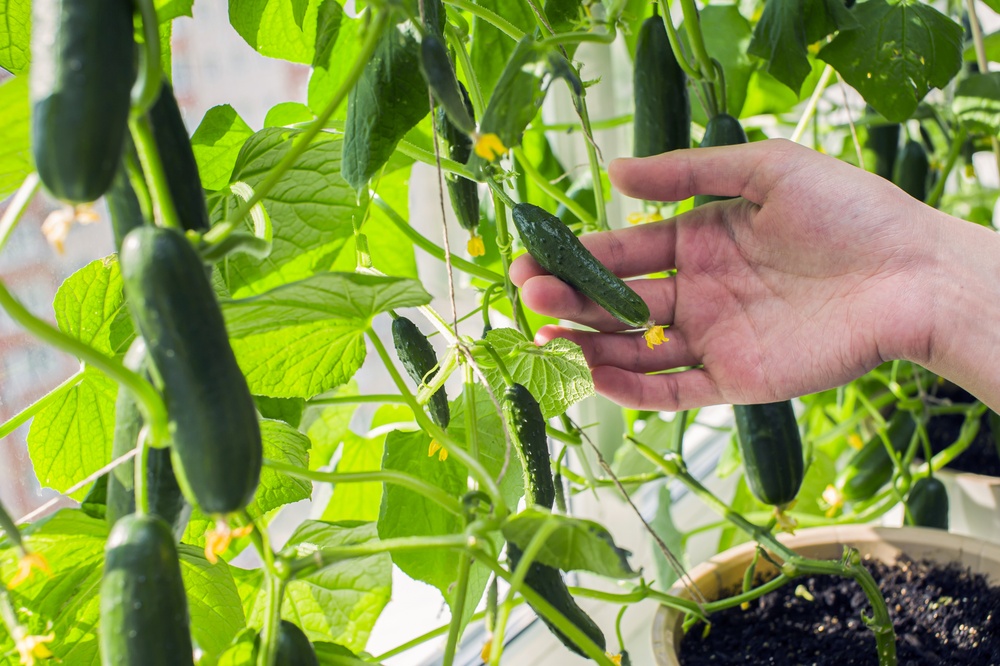
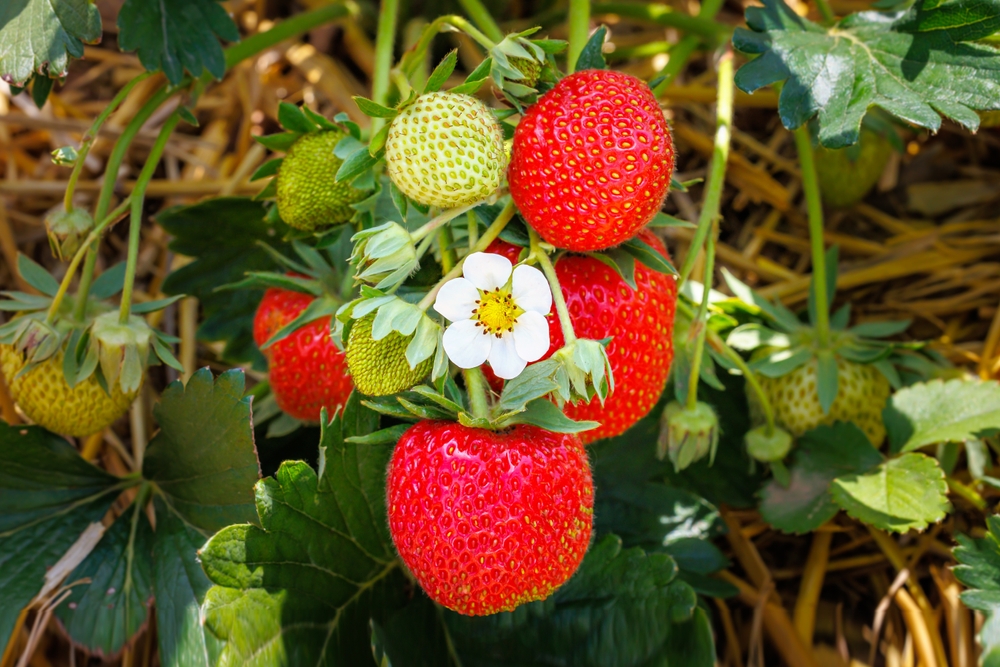
Strawberries and berries respond strongly to timing as well. Early-picked berries often lack sweetness and can signal the plant to slow production earlier than expected. Beans and peas also lose yield potential when harvested too soon because plants stop producing new pods once they believe reproduction has completed. Squash and cucumbers show similar patterns where premature picking disrupts ongoing fruit development cycles. Each of these crops demonstrates how timing directly connects to total seasonal yield.
Smart Harvest Timing Strategies That Boost Yield
Careful observation provides the strongest tool for improving harvest timing. Color change, firmness, and aroma all signal readiness more reliably than a calendar date. Gardeners who check plants daily during peak season often catch the perfect harvest window with greater accuracy. Supporting consistent watering and nutrient balance also helps plants maintain steady production during ripening phases. Healthy plants tolerate full maturity cycles better and produce higher yields over time.
Rotational harvesting also strengthens production across the season. Picking selectively instead of clearing entire plants encourages continued flowering and fruit development. This method works especially well with crops like beans, peppers, and cucumbers. Gardeners who stagger harvests reduce stress on plants and extend productive periods. Consistent monitoring and selective picking create a rhythm that supports both quality and quantity.
What Every Gardener Needs to Remember Before Picking Too Soon
Harvest timing shapes the entire performance of a garden, not just the quality of a single crop. Early picking interrupts energy flow, reduces flavor development, and weakens future production cycles. Plants respond best when they complete full ripening stages that support natural growth rhythms. Patience during peak season often translates into larger, tastier, and more abundant harvests. Gardeners who align harvesting habits with plant biology consistently see stronger results across every growing season.
What harvest timing tricks have made the biggest difference in your garden results? Let’s hear about it in our comments section.
You May Also Like…
Why Weeds Take Over Faster Than Crops in Spring
6 Fast-Growing Crops Ready to Harvest in Just Weeks
The 30-Day Harvest: Fast Crops That Put Food on the Table by Next Month
11 Compelling Reasons to Embrace Rainwater Harvesting for Sustainable Living
6 Options That Transition Well Between Indoor and Outdoor Growth

Brandon Marcus is a staff writer for FrugalGardening.com at District Media, Inc., where he delivers practical gardening advice with a relatable, no-nonsense style. An avid amateur gardener, he holds a BA degree and with over ten years of professional writing experience, he is also an award-winning published author whose first book, Questions For Deep Thinkers, was released by Adams Media. His work has appeared in major publications including Fandom.com, CHUD.com, TheColdWire.com, and Fansided.com.
Leave a Reply