Gardens across the United States succeed when plants work together instead of competing for space and nutrients. Companion planting brings out stronger growth, healthier soil, and fewer pest problems without relying on harsh chemicals. Smart pairings can transform even average backyard beds into productive, living systems that build fertility season after season.
These combinations don’t just look good together—they actively improve how soil behaves beneath the surface. Every pairing below offers a practical, proven way to boost garden performance while keeping things natural, balanced, and surprisingly simple.
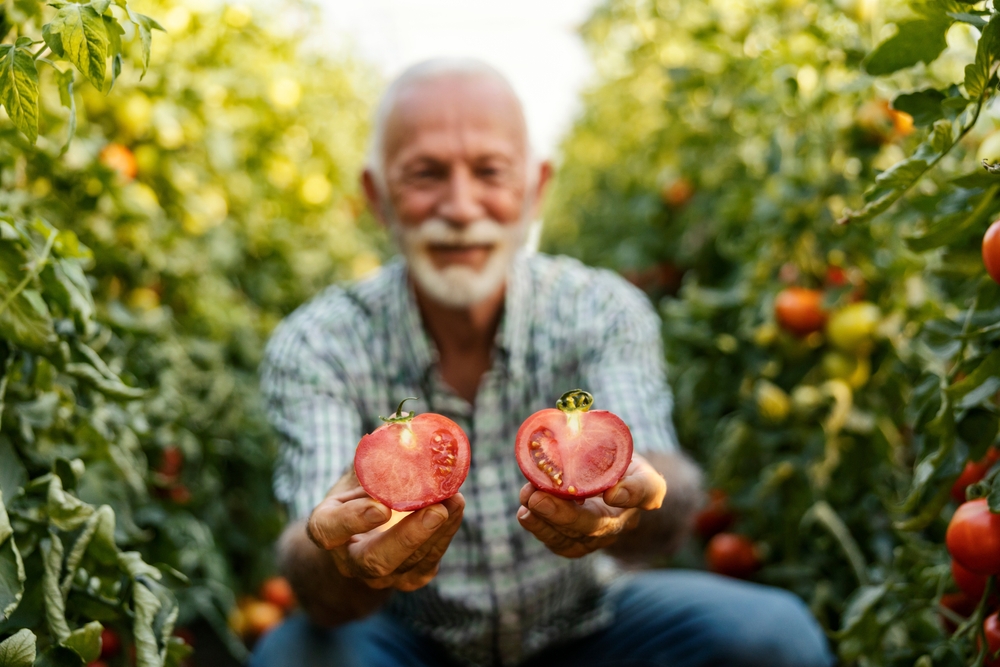
1. Tomatoes and Basil: A Classic Soil-Boosting Duo
Gardeners across the U.S. often pair tomatoes and basil because both plants prosper together and improve garden performance. Basil helps repel pests like aphids and hornworms that commonly attack tomato plants. Tomatoes provide light shade that keeps basil roots cooler during hot summer afternoons.
This pairing encourages healthier soil biology by supporting beneficial insects and reducing chemical intervention in home gardens. Many gardeners report stronger tomato flavor when basil grows nearby due to reduced plant stress and improved soil balance.
2. Corn, Beans, and Squash: The Legendary Three Sisters System
Indigenous American farming systems perfected the Three Sisters method, which combines corn, beans, and squash in one planting area. Corn stalks act as natural trellises for beans, allowing them to climb without additional structures. Beans enrich soil nitrogen levels through a natural fixation process that benefits all three crops.
Squash spreads across the soil surface, suppressing weeds and conserving moisture during dry American summers. This trio builds long-term soil fertility while maximizing yield in small garden spaces.
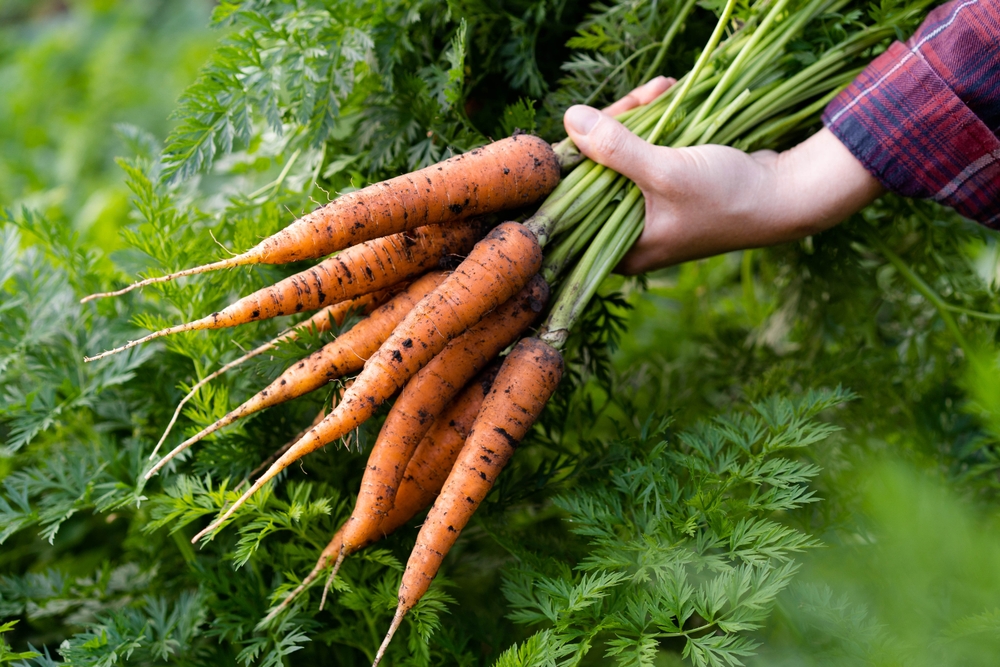
3. Carrots and Onions: Underground Pest Protection Partners
Carrots and onions create a powerful underground partnership that confuses pests and improves root development. Onions release sulfur compounds that deter carrot flies from laying eggs near roots. Carrots loosen soil as they grow, which helps onions expand their bulbs more efficiently.
This combination reduces the need for chemical pest control while improving soil structure through natural root activity. Many American gardeners rely on this pairing in raised beds because it maximizes space and reduces pest damage.
4. Lettuce and Radishes: Fast-Growing Soil Improvers
Lettuce and radishes grow quickly together and create efficient use of garden space during early spring planting. Radishes break up compact soil layers, which allows lettuce roots to access moisture more easily. Lettuce provides partial shade that helps radishes avoid excessive heat stress during warmer days.
This pairing supports continuous soil turnover, which improves aeration and microbial activity in garden beds. Gardeners often harvest radishes early, leaving extra room for lettuce to mature fully without competition.
5. Cucumbers and Nasturtiums: Natural Pest Control Allies
Cucumbers and nasturtiums work together to protect garden soil and reduce pest pressure naturally. Nasturtiums attract aphids away from cucumber vines, acting as a living trap crop. Cucumber plants benefit from improved pollinator activity when nasturtiums bloom nearby.
This pairing enhances soil biodiversity by supporting beneficial insects and reducing pest-related plant stress. Many gardeners in warm American regions use this combination to boost yields without heavy pesticide use.
6. Spinach and Peas: Cool-Season Soil Enrichers
Peas and spinach flourish in cool weather and work together to improve early-season soil fertility. Peas fix nitrogen into the soil, which spinach uses to develop strong leafy growth. Spinach grows low to the ground, which helps retain moisture around pea roots.
This pairing strengthens soil nutrient cycling during spring planting in many U.S. gardens. Gardeners often rotate this combination to prepare beds for heavier summer crops.
Building Living Soil Through Smart Companion Planting Choices
Companion planting transforms ordinary garden beds into living ecosystems that actively improve soil health. Each pairing works through natural relationships that boost nutrients, deter pests, or improve soil structure. American gardeners gain stronger harvests by selecting combinations that support long-term soil balance.
These strategies reduce dependency on synthetic fertilizers and chemical pesticides over time. Thoughtful plant partnerships create resilient gardens that perform better each growing season.
Which of these companion planting combinations feels most exciting to try in a home garden this season? Let’s chat about it below in our comments section.
You May Also Like…
7 Companion Pairings That Boost Growth Naturally
The Best Companion Plants for Natural Pest Control
Why January Is Ideal for Planning Companion Planting
5 Pest Control Mistakes That Backfire Quickly
Why Airflow Matters More Than You Think in Dense Gardens

Brandon Marcus is a staff writer for FrugalGardening.com at District Media, Inc., where he delivers practical gardening advice with a relatable, no-nonsense style. An avid amateur gardener, he holds a BA degree and with over ten years of professional writing experience, he is also an award-winning published author whose first book, Questions For Deep Thinkers, was released by Adams Media. His work has appeared in major publications including Fandom.com, CHUD.com, TheColdWire.com, and Fansided.com.
Leave a Reply