Healthy gardens across the United States depend on one simple ingredient that often gets overlooked—loose, living soil that lets roots breathe, stretch, and explore. When soil becomes compacted, it slowly transforms into a dense barrier that blocks water, air, and nutrients from reaching plant roots. That hidden pressure underground quietly weakens lawns, vegetable beds, and flower gardens long before visible damage appears above the surface.
Many gardeners notice stunted growth, yellowing leaves, or plants that refuse to thrive, but the real issue often lies beneath their feet. Soil compaction acts like a lid sealing off the life below, forcing roots to grow sideways instead of down where they should go. Once gardeners recognize how this problem develops and spreads, they gain real control over restoring healthy soil structure and unlocking stronger plant growth.
Why Soil Compaction Silently Strangles Root Growth
Soil compaction squeezes out the tiny air pockets that roots depend on for oxygen exchange and nutrient absorption. Without those spaces, roots struggle to expand and begin circling near the surface instead of anchoring deep into the ground. This shallow growth pattern weakens plants during heat waves and droughts, especially across many American regions that already face unpredictable weather.
Compacted soil also restricts water movement, which creates a frustrating cycle of puddling on the surface and dryness below. Plants end up thirsty even after watering because moisture cannot penetrate the hardened layers. Gardeners often mistake this issue for fertilizer problems or disease, but the real culprit sits in the soil structure itself.
As roots lose access to oxygen and nutrients, plant growth slows dramatically and harvests suffer in edible gardens. Turfgrass develops thin patches, and ornamental plants lose their vibrant color and strength. Once compaction sets in, plants stop performing at their full potential no matter how much care they receive.
How Compaction Forms in Yards and Gardens
Heavy foot traffic creates one of the most common causes of soil compaction in home landscapes. Lawns that double as play areas, pet zones, or pathways gradually become packed down under repeated pressure. Even small daily routines, like walking the same garden path, slowly compress soil layers over time. Improper equipment use also plays a major role, especially when gardeners use heavy machinery on wet soil. Moist ground compresses far more easily than dry soil, which leads to long-term structural damage after just a few passes. Construction activity, driveway runoff, and even lawn mowing patterns contribute to this growing problem.
Soil composition itself influences compaction risk, especially in areas with high clay content common in many parts of the United States. Clay particles naturally pack tightly together, leaving less room for airflow and drainage. Without intervention, these conditions worsen each season and gradually turn productive soil into a dense, lifeless layer.
Warning Signs Your Soil Is Too Compacted
Plants growing in compacted soil often show early stress through slow development and weak root systems. Gardeners may notice that seedlings struggle to establish, even when planted correctly and watered consistently. Grass may thin out, leaving uneven patches that resist recovery.
Water behavior provides another strong clue, especially when rain or irrigation pools on the surface instead of soaking in. This runoff indicates that soil layers below have tightened too much for proper absorption. In healthy soil, moisture disappears steadily into deeper layers rather than sitting on top.
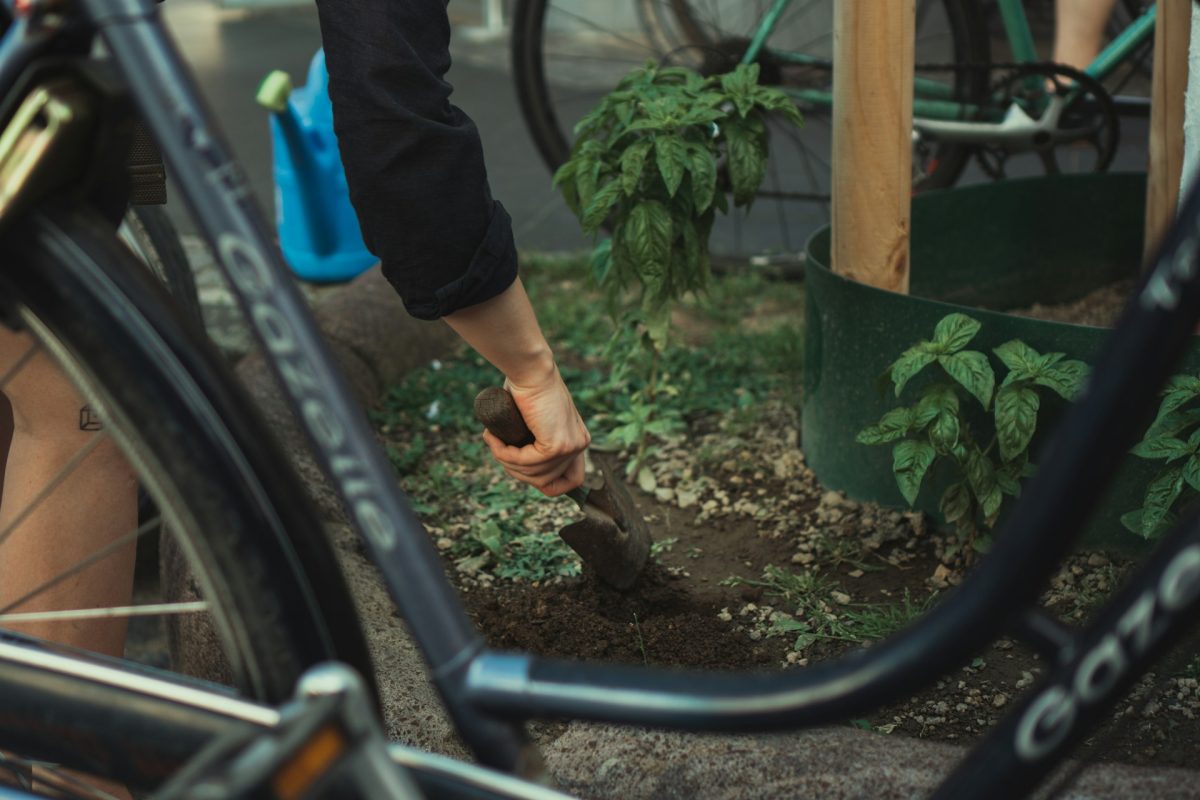
Digging into the soil reveals even more evidence, especially when gardeners struggle to push a shovel or garden fork into the ground. Healthy soil breaks apart easily, while compacted soil feels dense and resistant. Earthworms, which signal healthy soil ecosystems, also appear less frequently in compacted areas.
Fixing Compacted Soil Without Destroying Your Garden
Aeration offers one of the fastest ways to relieve compaction in lawns and garden spaces. Core aerators remove small plugs of soil, instantly creating pathways for air and water to reach deeper layers. This process jumpstarts microbial activity and helps roots expand more freely.
Organic matter also plays a powerful role in rebuilding soil structure over time. Compost, leaf mold, and aged manure introduce beneficial organisms that naturally loosen dense soil. Regular top-dressing with these materials improves texture and restores long-term fertility.
Cover crops provide another effective strategy, especially for vegetable gardens during off-seasons. Plants like clover or rye grow deep root systems that break up compacted layers naturally. Once tilled back into the soil, they leave behind channels that improve drainage and root movement for future plantings.
Restoring Living Soil for Stronger, Deeper Roots
Healthy soil acts like a living ecosystem rather than a static surface, and compaction disrupts every part of that system. Once gardeners restore structure through aeration and organic matter, roots regain access to oxygen, nutrients, and moisture. Plants respond quickly with stronger growth, deeper anchoring, and improved resilience against weather stress.
Long-term soil health depends on consistent care rather than one-time fixes. Rotating garden paths, avoiding wet-soil traffic, and adding compost each season all help maintain loose, breathable soil. These habits protect the underground environment that supports every plant above it.
What changes have made the biggest difference in improving soil quality in your home garden? We certainly want to hear your ideas and advice below in our comments.
You May Also Like…
6 Selections That Perform Well in Clay Soil
5 Indicators Your Soil Needs Nutrient Support
5 Tough Crops That Perform Well in Poor Soil
Why Adding Compost Now Can Transform Soil Quality
Why Growth Stalls Even When Conditions Seem Perfect

Brandon Marcus is a staff writer for FrugalGardening.com at District Media, Inc., where he delivers practical gardening advice with a relatable, no-nonsense style. An avid amateur gardener, he holds a BA degree and with over ten years of professional writing experience, he is also an award-winning published author whose first book, Questions For Deep Thinkers, was released by Adams Media. His work has appeared in major publications including Fandom.com, CHUD.com, TheColdWire.com, and Fansided.com.
Leave a Reply