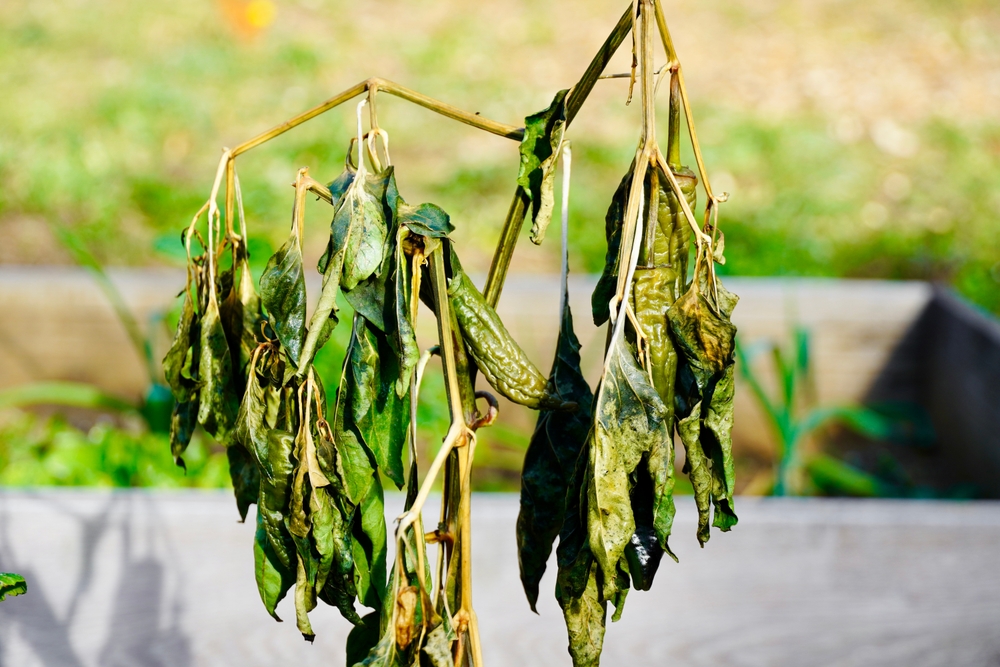
Gardens rarely fail overnight, yet many plants slowly lose their spark without any obvious warning. One week everything looks lush, and a few weeks later growth stalls, leaves fade, and harvests disappoint. Nutrient imbalances often sit at the center of this slow decline, quietly reshaping how plants develop from root to tip. Once the soil loses harmony, plants struggle to keep up with even basic growth demands.
Healthy gardens depend on a steady nutritional rhythm that supports every stage of plant life. When that rhythm breaks, plants respond with visible stress signals that many gardeners misinterpret. Learning how soil nutrients interact creates a powerful advantage for anyone growing vegetables, herbs, or ornamentals across American gardens.
The Hidden Language Of Plant Nutrition
Plants constantly signal their nutritional status through leaf color, growth rate, and root development, yet many gardeners misread these subtle clues as random setbacks in the garden. Soil acts like a living pantry where every nutrient plays a specific role, and plants respond quickly when even one essential element falls out of balance. Healthy growth depends on a precise interaction between macronutrients and micronutrients, and even small disruptions can ripple through the entire plant system. Gardeners who learn to observe these signals early often prevent long-term decline and avoid costly crop failures. Strong yields start with recognizing that soil fertility changes continuously with watering, weather, and plant uptake over time.
Garden soil never stays static, even in carefully managed beds across the United States. Rainfall, irrigation patterns, and seasonal planting cycles constantly shift nutrient availability in ways that affect plant performance. Experienced growers pay attention to these changes and adjust their approach before plants begin to struggle. A thriving garden reflects balance, not luck, and that balance starts with understanding how soil nutrients communicate through plant behavior.
How Nitrogen, Phosphorus, Potassium Imbalances Show Up
Nitrogen drives leafy growth, phosphorus supports root and flower development, and potassium strengthens overall plant resilience, so each element plays a distinct role in plant health. Low nitrogen often produces pale leaves and stunted growth that slows garden productivity noticeably. Phosphorus shortages delay flowering and reduce fruit formation, which frustrates gardeners who expect steady harvests. Potassium imbalances weaken plants against drought stress and disease pressure, especially during hot summer months in American gardens. Experienced gardeners track these symptoms closely because early intervention restores balance before major yield loss occurs.
Each nutrient deficiency creates a different pattern, and those patterns often reveal themselves long before plants collapse. A tomato plant with poor nitrogen levels may grow thin and weak while producing fewer flowers. A pepper plant lacking phosphorus may grow strong stems but fail to produce meaningful fruit. Potassium issues often show up during heat waves when plants suddenly wilt despite regular watering. Recognizing these patterns helps gardeners act fast and protect their harvests.
Soil pH And Nutrient Lockout Drama
Soil pH determines how easily plants absorb nutrients, and even rich soil can fail to support growth when pH drifts too far from optimal ranges. Acidic or alkaline conditions lock nutrients away from plant roots, creating hidden deficiencies that confuse even experienced growers. Vegetable gardens across the United States often struggle with pH shifts caused by irrigation water, fertilizer use, and organic matter decomposition. Soil testing provides a clear picture of pH balance and guides precise corrections that restore nutrient availability. Gardeners who adjust pH correctly unlock stronger growth and reduce the need for excessive fertilization.
pH imbalance often hides in plain sight because plants receive nutrients but cannot absorb them effectively. This condition creates a false impression of healthy soil while plants continue to weaken over time. Lime applications or sulfur amendments often restore balance, depending on whether soil leans too acidic or too alkaline. Regular monitoring prevents long-term lockout issues that damage productivity across entire growing seasons. A stable pH foundation gives every other nutrient a fair chance to support plant growth.

Micronutrients Matter More Than Expected
Micronutrients like iron, magnesium, and zinc support essential plant functions even though plants require them in small amounts. Iron deficiency causes yellowing leaves with green veins, a condition that signals chlorosis in many garden crops. Magnesium supports photosynthesis, and shortages quickly reduce energy production inside leaves. Zinc influences growth hormones, and deficiencies stunt development in young plants more than mature ones. Balanced fertilization programs include micronutrients to prevent hidden growth limitations that reduce long-term harvest quality.
Many gardeners focus only on nitrogen, phosphorus, and potassium, but micronutrients often determine overall plant performance. A vegetable garden may receive perfect NPK fertilizer, yet still struggle if iron or magnesium levels fall short. Leaf discoloration, weak flowering, and uneven growth patterns often point directly to micronutrient gaps. Soil tests reveal these deficiencies before they spread across an entire garden bed. Strong plant health always depends on both major and minor nutrients working together.
Slow Growth Signals Gardeners Often Miss
Slow growth often begins with subtle changes that gardeners overlook until plants struggle visibly. Smaller leaves, weak stems, and uneven color patterns often indicate deeper nutrient issues below the soil surface. Root systems also reveal problems when they grow shallow or fail to expand into the surrounding soil. Gardeners across America often mistake nutrient stress for pest damage, which delays proper treatment. Careful observation paired with soil testing helps separate environmental stress from nutrient imbalance.
Plants rarely fail without sending warning signals first, but those signals often blend into everyday garden activity. A cucumber vine that stops climbing or a lettuce head that refuses to form properly often signals internal nutrient disruption. Even flowering plants show reduced bloom size before total decline occurs. Timely recognition helps prevent long recovery periods and lost growing time. Awareness transforms guesswork into confident garden management.
Fixing Imbalances Before Plants Stall
Soil amendments like compost, aged manure, and targeted fertilizers restore nutrient balance when applied correctly. Crop rotation prevents depletion by varying nutrient demands across different planting seasons. Mulching conserves moisture and stabilizes soil temperature, which improves nutrient uptake efficiency. Regular soil testing every season helps gardeners stay ahead of emerging imbalances before they escalate. Consistent care transforms struggling gardens into productive systems that produce reliable harvests year after year.
Restoration works best when gardeners act before plants show severe stress. Compost rebuilds organic structure while improving microbial activity that supports nutrient cycling. Rotating crops like tomatoes, beans, and leafy greens prevents repeated depletion of the same soil resources. Balanced care strengthens soil ecosystems and supports long-term garden resilience. Healthy soil always rewards attention with stronger, more dependable growth.
Restoring Balance for Stronger, Faster Plant Growth
Balanced soil nutrition supports every stage of plant development, from root expansion to fruit production, and it keeps gardens productive across multiple seasons. Soil functions as a living system that responds to care, amendments, and environmental conditions throughout the year. Gardeners who stay proactive avoid long-term decline and maintain steady harvests with fewer surprises. Ignoring nutrient balance leads to a slow, creeping decline that often goes unnoticed until recovery becomes difficult. Strong gardens always reflect consistent attention to soil health and nutrient harmony.
What nutrient challenges show up most often in your garden, and how do different strategies help restore balance effectively? Let’s hear your thoughts below!
You May Also Like…
5 Indicators Your Soil Needs Nutrient Support
How to Turn Kitchen Scraps Into Nutrient-Rich Fertilizer
Cheap and Effective Liquid Nutrients for Your Indoor Plants
Why Early Growth Doesn’t Always Lead to Strong Yields
The Fertilizer Timing Rule Most People Get Wrong

Brandon Marcus is a staff writer for FrugalGardening.com at District Media, Inc., where he delivers practical gardening advice with a relatable, no-nonsense style. An avid amateur gardener, he holds a BA degree and with over ten years of professional writing experience, he is also an award-winning published author whose first book, Questions For Deep Thinkers, was released by Adams Media. His work has appeared in major publications including Fandom.com, CHUD.com, TheColdWire.com, and Fansided.com.
Leave a Reply