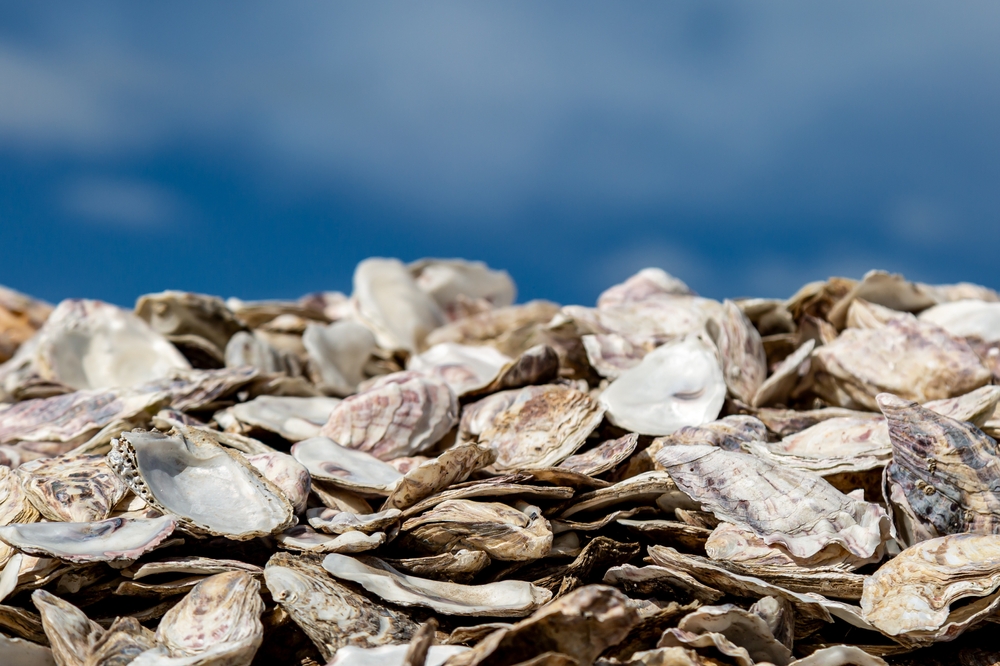
Crushed oyster shells can help garden soil, but they work more like a slow-moving soil amendment than a magical garden cure-all. Because oyster shells contain calcium carbonate, they can add calcium while gradually raising the pH of acidic soil, much like agricultural limestone.
That makes those leftover shells more interesting than they look after dinner. Before tossing a bucketful into the vegetable garden, though, gardeners should consider the existing soil pH, the size of the shell pieces, and whether the shells still carry salt or bits of oyster meat.
Oyster Shells Bring Calcium to the Garden
Oyster shells contain a high proportion of calcium carbonate, the same basic compound that gives agricultural limestone its soil-liming ability. When finely crushed, oyster shell can help neutralize soil acidity and gradually move pH upward.
That calcium can benefit soil where testing shows a genuine need, but more calcium does not automatically mean healthier plants. Soil already contains plenty of calcium in many gardens, so adding shells without checking the soil can accomplish very little while pushing pH higher than desired. A soil test gives gardeners a much better starting point than guessing based on how a tomato plant looks.
The Size of the Shell Matters More Than You Might Think
A few chunky oyster shells scattered across a garden bed will not suddenly transform the soil, because large pieces break down slowly. Finely ground oyster shell works more like a traditional liming material, while larger fragments release calcium and affect pH at a much slower pace.
That difference matters when planning a garden amendment rather than simply recycling kitchen scraps. Commercial oyster shell flour provides a convenient fine material, while gardeners using leftover shells can rinse them thoroughly, let them dry, and crush them as finely as practical before mixing them into soil or compost. A blender or food processor can create dust, but shell fragments can damage equipment, so a dedicated crushing method makes more sense than sacrificing a favorite kitchen appliance.
Oyster Shells Can Raise Soil pH, So Check Before Adding Them
Oyster shells make the most sense in acidic soil that actually needs a liming amendment. Gardeners with neutral or alkaline soil should skip them, because adding calcium carbonate can push pH upward and make certain nutrients less available to plants.
That point also clears up a common gardening misconception: oyster shells do not function as an all-purpose fertilizer. They primarily supply calcium and provide a liming effect, but they do not replace compost, nitrogen fertilizer, or a balanced fertilizer when plants need those nutrients. Blueberries and other acid-loving plants deserve particular caution because raising their soil pH can work directly against their preferred growing conditions.
Give Restaurant Shells a Little Cleanup First
Fresh shells from a seafood dinner need more attention than a quick toss into the flower bed. Rinse away leftover oyster tissue and seasoning, then allow the shells to dry before crushing them, because food residue can attract unwanted visitors and restaurant shells may carry more salt than clean, prepared garden products. Research on oyster-shell amendments has also documented sodium and electrical conductivity increases in soil, although the study found no plant toxicity at the tested application levels.
Commercial oyster shell products remove much of that guesswork and offer a consistent particle size. For gardeners determined to recycle shells from the kitchen, moderation makes sense, especially in containers where salts and other dissolved materials have less soil volume to dilute them. The shells also should not become a substitute for good soil preparation, since organic matter from finished compost does far more for soil structure and biological activity than a pile of calcium carbonate.
The Best Use for Oyster Shells Is a Specific Soil Problem
Think of crushed oyster shells as a tool for a particular job rather than a secret ingredient that every garden needs. If a soil test shows acidic soil and a need for calcium or liming, finely ground oyster shell can provide a useful, slower-acting alternative to conventional limestone.
For example, a vegetable bed with acidic soil could receive a carefully calculated application before planting, while a naturally alkaline bed would get no shells at all. Gardeners can incorporate the material into the soil rather than leaving a thick layer on the surface, then give the amendment time to work. That approach turns an oddly satisfying pile of crushed shells into something genuinely useful instead of simply creating a crunchy-looking garden bed.
Let the Soil Test Decide the Shell’s Fate
Crushed oyster shells can help garden soil, particularly when acidic conditions call for a calcium-based liming material. Their slow action, however, makes them a poor choice for gardeners hoping for an instant fix, and their ability to raise pH makes blind application a gamble.
The smartest routine starts with a soil test, follows the recommended amendment rate, and treats oyster shells as one small part of overall soil care. Clean, finely crushed shells can then give an otherwise discarded kitchen byproduct a useful second act in the garden. When the soil does not need extra calcium or a higher pH, the best gardening move may simply involve putting the shells in the compost stream instead of forcing them into a job they cannot improve.
Could crushed oyster shells earn a spot in your garden, or do you have another clever way to reuse them? Share your gardening ideas and experiences in the comments.
You May Also Like…
7 Soil Amendments You May Find Discounted in Late Summer
Should You Thin Late-Sown Root Crops Differently in Warm Soil?
5 Reasons a White Film Appears on Garden Soil
Can Worm Castings Rescue Nutrient-Poor Container Soil?
These 5 Kitchen Items Are Secretly Contaminating Your Garden Soil

Brandon Marcus is a staff writer for FrugalGardening.com at District Media, Inc., where he delivers practical gardening advice with a relatable, no-nonsense style. An avid amateur gardener, he holds a BA degree and with over ten years of professional writing experience, he is also an award-winning published author whose first book, Questions For Deep Thinkers, was released by Adams Media. His work has appeared in major publications including Fandom.com, CHUD.com, TheColdWire.com, and Fansided.com.
Leave a Reply