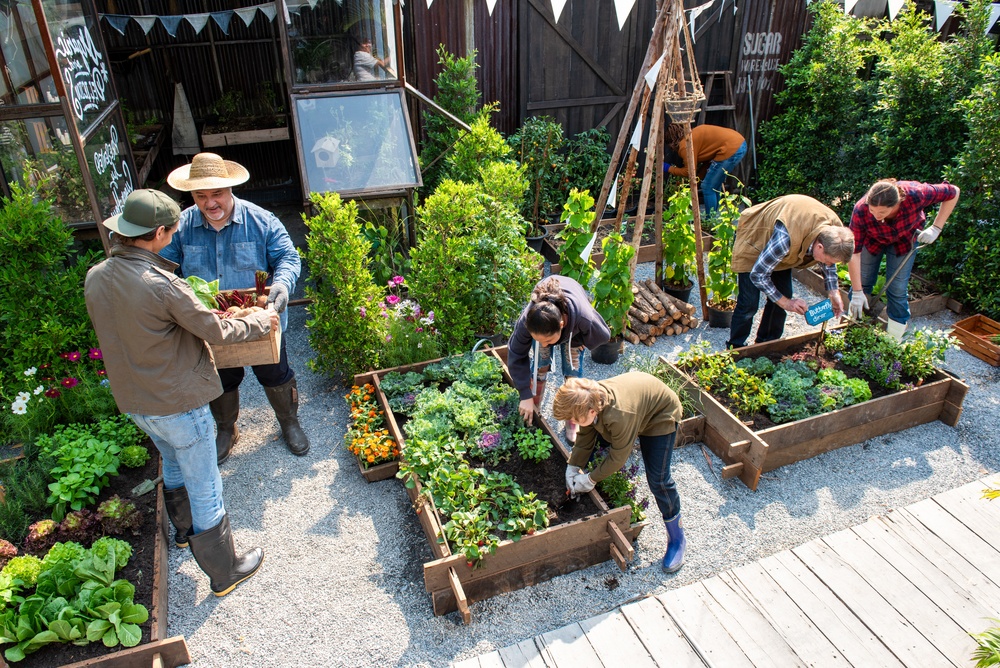
Starting a community garden can bring neighbors together, grow fresh food, and transform an unused patch of land into something special. The trick comes before the first seed hits the soil: building the right setup without draining the budget on things that look exciting but create headaches later.
Many new gardens stumble because organizers rush toward supplies before they create a realistic plan. A few thoughtful decisions about location, tools, water, and shared responsibilities can help a group avoid expensive mistakes and create a garden that feels welcoming from day one.
The Cheapest Community Garden Starts With a Plan, Not a Shopping Cart
A community garden does not need a fancy entrance, matching raised beds, or a shed full of shiny tools to become successful. The smartest first step involves gathering interested gardeners and figuring out what the group actually needs. A small planning meeting can reveal important details, such as who wants to grow vegetables, who can help with watering, and what space limitations exist.
Creating a basic garden map can prevent wasted spending. Mark areas for planting beds, walking paths, compost, seating, and storage before buying lumber or equipment. A garden layout drawn on paper costs nothing, but it can prevent costly changes after construction begins. Many groups discover that a smaller, organized space works better than a large area that nobody can maintain.
The first season should act like a test run instead of a race to build a garden masterpiece. Start with manageable plots, observe what works, and adjust plans as gardeners gain experience. This approach helps prevent common mistakes like building too many beds, buying unnecessary equipment, or creating maintenance jobs that overwhelm volunteers.
Pick the Right Space Before Buying Supplies or Seeds
The location of a community garden can make or break the project long before planting begins. A sunny area with easy water access usually creates fewer challenges than a larger space that sits far away from a reliable water source. Carrying buckets across a parking lot every summer afternoon might sound manageable in spring, but the excitement can disappear quickly when temperatures climb.
Before spending money, check how much sunlight reaches the area throughout the day. Most vegetables need several hours of direct sunlight, and nearby buildings or trees can create unexpected shade problems. Look at drainage too because soggy soil can turn a promising garden into a muddy struggle.
The soil deserves careful attention before anyone buys bags of amendments or fertilizer. Some urban areas may have concerns about soil contamination, especially near older buildings, roads, or former industrial spaces. A simple soil test can provide valuable information about nutrients and potential issues before gardeners invest in crops that may struggle.
Spend Money Where It Counts and Skip the Gimmicks
A community garden does not need every gardening gadget on the market. Fancy tools with complicated features often collect dust while simple basics, such as sturdy hand trowels, gloves, watering cans, and pruners, handle most everyday jobs. Buying durable equipment usually makes more sense than repeatedly replacing flimsy items.
Shared tools can also stretch a limited budget. Instead of asking every gardener to bring a complete personal collection, create a common tool area where members contribute or donate supplies. A sign-out sheet or simple storage system can keep everything organized and reduce the chance of tools disappearing.
Money-saving creativity can make a garden feel even more connected. Gardeners can build compost systems, collect rainwater where local rules allow it, reuse containers for seedlings, or organize seed swaps. These choices save money while encouraging people to share knowledge and resources.
A budget should include the costs that appear after the exciting setup stage. Seeds, soil improvements, repairs, water expenses, and replacement tools can quietly add up. Setting aside funds for ongoing needs keeps the garden healthy without requiring last-minute fundraising.
Build a Garden That Grows With the Community Around It
The strongest community gardens focus on relationships as much as harvests. A garden filled with beautiful vegetables but no clear communication system can quickly become frustrating. Create simple expectations about watering schedules, shared spaces, harvesting rules, and cleanup responsibilities before problems appear.
Regular gatherings can help members stay connected and solve issues early. A short monthly check-in can reveal whether certain tasks feel unfair or whether the garden needs adjustments. These conversations also give new gardeners a chance to learn from people with more experience.
Flexibility matters because every garden faces surprises. Weather, pests, changing volunteer availability, and different gardening styles can all affect the plan. A setup that allows adjustments gives the group room to improve instead of forcing everyone into a rigid system.
The best community gardens rarely come from the biggest budgets. They come from thoughtful planning, shared effort, and a willingness to learn along the way. A few smart choices at the beginning can create a space that feeds both plants and neighborhood connections for years.
A Smart Start Creates a Garden Worth Sharing
A community garden can begin with a small budget and still become a meaningful gathering place. The key lies in spending on essentials, skipping unnecessary extras, and creating a plan that matches the people who will maintain it. Good gardens grow from cooperation, not expensive equipment.
Before buying the first bag of soil or building the first raised bed, take time to ask practical questions. Who will help? What does the space need? Which purchases will make daily gardening easier? Those answers can protect the budget and create a garden that feels welcoming from the start.
What is the smartest money-saving idea you have seen in a community garden, and what setup choice made the biggest difference?
You May Also Like…
The Community Garden Loophole: How to Get a Plot for Less Than a Pizza
Can a $25 Garden Bed Pay for Itself? A Realistic Cost Breakdown
Extreme Heat Is Changing Work and Outdoor Routines, Gardeners Need a Safer Schedule Too
Sugarbeets, Sugarcane, and Vegetable Costs: What Gardeners Can Learn From Commodity Stress
Why Raised Bed Gardens Are Suddenly Everywhere in Middle-Class Neighborhoods

Brandon Marcus is a staff writer for FrugalGardening.com at District Media, Inc., where he delivers practical gardening advice with a relatable, no-nonsense style. An avid amateur gardener, he holds a BA degree and with over ten years of professional writing experience, he is also an award-winning published author whose first book, Questions For Deep Thinkers, was released by Adams Media. His work has appeared in major publications including Fandom.com, CHUD.com, TheColdWire.com, and Fansided.com.
Leave a Reply