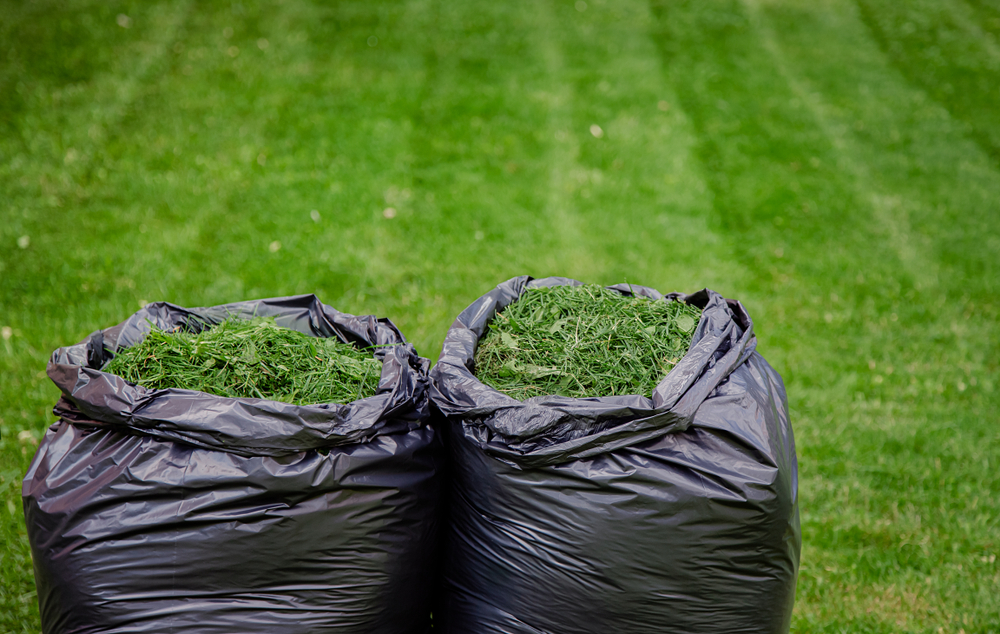
The next time the lawn mower leaves behind a fresh layer of grass clippings, think twice before stuffing them into a bag. Those green leftovers can become one of the cheapest and most effective garden helpers around when used as leaf litter mulch. Instead of paying for bags of mulch every spring, gardeners can recycle what the yard already produces and give flower beds, vegetable gardens, and trees a natural boost.
Nature has used this trick forever. Forest floors never stay bare because fallen leaves, small twigs, and plant material blanket the ground year after year. That protective layer slowly breaks down, feeds countless organisms beneath the surface, and creates rich, healthy soil. A home garden can benefit from the same simple process without spending an extra dime.
Why Leaf Litter Mulch Works Better Than Many People Realize
Leaf litter mulch acts like a protective blanket that shields soil from harsh summer heat while helping it hold moisture after watering or rain. That means plants often need less frequent watering because the soil dries out much more slowly. Gardeners also notice fewer weeds because many unwanted seeds struggle to sprout through a layer of natural mulch. Instead of fighting weeds every weekend, that mulch quietly handles much of the work. Better yet, the organic material gradually breaks down and returns valuable nutrients right back into the soil.
Grass clippings fit perfectly into this natural cycle as long as they come from a lawn that has not received recent herbicide treatments. Fresh clippings contain nitrogen, which soil organisms eagerly consume while breaking them down. Mixing grass clippings with dry leaves creates an even better balance because the leaves add carbon while the grass supplies nitrogen. That combination helps create a healthier environment beneath the mulch without requiring expensive soil additives.
Fresh Grass Needs One Important Rule
A thick pile of fresh grass clippings can quickly become a soggy, smelly mess instead of helpful mulch. Clippings packed too deeply trap moisture, reduce airflow, and may begin to rot rather than decompose properly. The easy solution involves spreading them in a thin layer no more than an inch thick or mixing them generously with shredded leaves. That simple step keeps plenty of air moving through the material and allows it to break down naturally.
Dry grass clippings also make excellent leaf litter mulch because they spread more evenly and resist clumping together. Many gardeners simply let the clippings dry for a day before moving them into planting beds. Around tomatoes, peppers, squash, and shrubs, this natural mulch helps reduce soil splash during rainstorms, which can lower the chance of certain soil-borne diseases reaching plant leaves. Clean mulch also keeps vegetables looking much cleaner at harvest time, which feels like a pleasant bonus after months of gardening.
More Than Mulch, It Builds Healthier Soil From The Ground Up
The real magic happens below the surface where nobody notices it. Earthworms, fungi, beneficial bacteria, and countless tiny organisms slowly pull pieces of leaf litter mulch into the soil and transform them into organic matter. That steady process improves soil structure, helps sandy soil hold water longer, and loosens heavy clay so roots can spread more easily. Healthy soil rarely appears overnight, but these small yearly additions build impressive results over time.
Gardeners often notice richer soil after repeating this practice for several seasons. Digging into beds reveals darker earth, more worms, and soil that crumbles easily instead of forming hard clumps. That improvement supports stronger root systems and healthier plants without relying entirely on purchased fertilizers. Every mowing session suddenly becomes another opportunity to feed the garden instead of filling another yard waste bag.
Avoid A Few Common Mistakes For The Best Results
Not every lawn clipping belongs in the garden. Grass treated recently with weed killers or other persistent herbicides can damage vegetables, flowers, and young plants if used too soon as mulch. Waiting until treated grass has gone through several mowings before using the clippings offers a much safer approach. Keeping diseased grass out of garden beds also prevents unwanted problems from spreading.
Leaf litter mulch works best when gardeners refresh it gradually instead of piling on huge amounts all at once. A light topping every few weeks during the growing season keeps the protective layer working without smothering plants. Leave a few inches of open space around tree trunks and plant stems to prevent excess moisture from collecting against the bark. Those small adjustments make a big difference while keeping gardens healthy and attractive throughout the season.
Let The Yard Do More Of The Work
The best gardening tricks often cost absolutely nothing, and leaf litter mulch sits near the top of that list. Instead of treating grass clippings and fallen leaves like garbage, they become valuable resources that improve soil, reduce watering, discourage weeds, and save money year after year. Every season adds another layer of organic matter that supports healthier gardens with surprisingly little effort. Nature already provides the raw materials, and smart gardeners simply put them to work. Before hauling another bag to the curb, consider letting those lawn clippings stay right where they can do the most good.
What creative ways have you used lawn clippings or fallen leaves around your garden? Share your favorite tips and experiences in the comments below.
You May Also Like…
How to Encourage Earthworms That Improve Soil Naturally
Common Leaf Spot Problems and How to Treat Them
Why Leaves Droop Even When Soil Feels Moist
The Hidden Causes of Curling Leaves and How to Stop Them
Why More Homeowners Are Replacing Grass With Food Gardens in 2026

Brandon Marcus is a staff writer for FrugalGardening.com at District Media, Inc., where he delivers practical gardening advice with a relatable, no-nonsense style. An avid amateur gardener, he holds a BA degree and with over ten years of professional writing experience, he is also an award-winning published author whose first book, Questions For Deep Thinkers, was released by Adams Media. His work has appeared in major publications including Fandom.com, CHUD.com, TheColdWire.com, and Fansided.com.
Leave a Reply