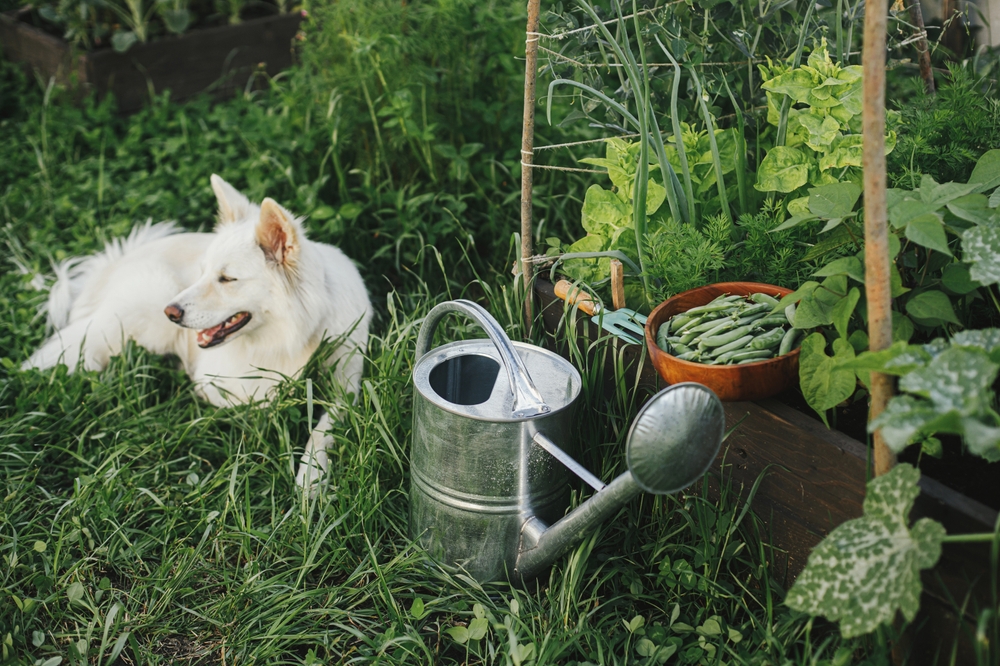
A gorgeous backyard should welcome every member of the family, including the four-legged ones who sprint through flower beds, sniff every shrub, and somehow discover trouble in record time. Building a pet-friendly garden means choosing plants and features that look fantastic while reducing common hazards for curious dogs. The result feels less like an obstacle course and more like a relaxing outdoor retreat where everyone can enjoy fresh air without constant worry.
Dogs rarely admire a garden from a distance. They roll in the grass, nap beneath trees, investigate every scent, and occasionally sample leaves that definitely never belonged on the dinner menu. A few thoughtful landscaping choices can turn an ordinary yard into a safer, cooler, and far more enjoyable place for daily adventures.
Choose Beautiful Plants That Will Not Harm Curious Dogs
Many popular landscape plants contain compounds that can upset a dog’s stomach or cause much more serious problems if eaten, so plant selection deserves careful attention from the very beginning. Excellent additions to a pet-friendly garden include snapdragons, sunflowers, zinnias, camellias, roses, magnolias, and herbs such as basil, rosemary, thyme, and parsley that add fragrance without introducing common toxic risks. Colorful annuals and dependable perennials can create eye-catching beds without forcing anyone to sacrifice beauty for safety. Plant labels do not always mention whether a species poses a danger to pets, so checking reliable veterinary or horticultural resources before bringing new plants home prevents unpleasant surprises. Even non-toxic plants can upset a dog’s stomach if eaten in large amounts, so encouraging pets to leave the landscaping alone still matters.
Fruit also deserves a second look because not every backyard snack belongs in a dog’s bowl. Apples without seeds, blueberries, and strawberries generally present fewer concerns than plants that produce toxic berries or pits, but fallen fruit should never pile up beneath trees where dogs love to explore. Mushrooms deserve immediate removal whenever they appear because identifying safe and dangerous varieties in the yard proves nearly impossible without specialized knowledge. A quick weekly walk through the landscape catches potential problems before an energetic nose finds them first.
Cool Shade Makes Outdoor Play Much More Comfortable
Summer sunshine feels wonderful until a black-coated dog decides to chase a tennis ball across a yard with very little shade. Trees, pergolas, large shrubs, and shade sails create cooler pockets where pets can rest between bursts of play instead of stretching across scorching concrete or baked soil. A pet-friendly garden works best when those shady spots remain available throughout the day as the sun shifts across the sky. Fresh drinking water should always sit nearby because even enthusiastic dogs need regular breaks to cool down. Comfortable shade encourages longer, safer outdoor time without exposing pets to unnecessary heat.
Ground surfaces matter almost as much as overhead cover. Grass stays cooler than many hard surfaces, while mulch designed for landscaping offers comfortable footing around planting beds. Cocoa mulch should never enter a dog-friendly yard because it contains compounds similar to those found in chocolate and can create a serious health risk if eaten. Smooth pathways, cool resting spots, and soft lawn areas help transform the backyard into a welcoming playground instead of a place that overheats paws within minutes.
Design the Yard Around Real Dog Behavior
Every dog follows familiar routines, and smart landscaping works with those habits instead of fighting them. Many dogs race the same perimeter every day, so creating a dedicated path with durable turf or stepping stones protects planting beds while giving energetic pets room to patrol their kingdom. Raised garden beds also discourage accidental trampling while adding visual interest and making maintenance easier. This practical layout keeps delicate flowers away from enthusiastic paws without making the yard feel restricted. A pet-friendly garden succeeds because it respects natural behavior rather than expecting perfect canine manners.
Digging presents another familiar challenge for many breeds. A designated digging corner filled with loose soil or sand gives determined excavators an acceptable outlet while preserving prized flower beds. Tossing a favorite toy into that space or hiding treats beneath the surface quickly teaches many dogs where digging earns rewards instead of disappointed looks from the gardener. Simple adjustments like these often solve recurring problems without turning outdoor time into a constant series of corrections.
Small Safety Habits Protect the Whole Landscape
Garden maintenance products deserve as much attention as the plants themselves because fertilizers, weed killers, insecticides, and slug baits can create unnecessary risks when used carelessly. Reading product directions carefully and keeping pets away until treated areas become safe again protects curious noses that inspect every inch of the yard. Hand-pulling weeds or using pet-conscious gardening methods whenever practical can reduce the need for stronger chemicals altogether. Compost bins also need secure lids because spoiled food, moldy scraps, and certain kitchen waste can attract adventurous dogs. Safe gardening comes from consistent habits rather than one dramatic change.
Garden tools deserve a proper home after every project instead of remaining scattered across the lawn. Sharp pruners, bags of fertilizer, and coiled hoses may seem harmless until an excited dog turns them into unexpected toys. A quick cleanup after each gardening session keeps the space attractive while removing hazards before they become emergencies. That extra minute of tidying often brings far more peace of mind than replacing damaged plants or making an unexpected trip to the veterinarian.
A Backyard That Welcomes Every Wagging Tail
Creating a pet-friendly garden does not require giving up colorful flowers, lush landscaping, or personal style. Thoughtful plant choices, generous shade, durable pathways, and everyday safety habits combine to build an outdoor space where dogs can play, rest, and explore with fewer hidden dangers. The best gardens invite muddy paws, afternoon naps beneath leafy trees, and joyful zoomies across healthy grass without leaving homeowners constantly on edge. Every improvement adds another layer of comfort for pets and another reason for families to spend more time outdoors together.
What changes have made your pet-friendly garden safer or more enjoyable for your dog? Share your favorite tips, plant recommendations, or backyard success stories in the comments below.
You May Also Like…
Vets Say This Popular Spring Bulb Is Causing Serious Health Issues in Dogs
9 Natural Ways to Deter Snails Without Harming Pets or Pollinators
Experts Warn: Your Compost Pile Could Be Dangerous for Pets
These Birdseed Additives Are Spreading Salmonella — Wildlife Officials Sound the Alarm
Can Playing Animal Crossing Inspire Real-Life Frugal Gardening?

Brandon Marcus is a staff writer for FrugalGardening.com at District Media, Inc., where he delivers practical gardening advice with a relatable, no-nonsense style. An avid amateur gardener, he holds a BA degree and with over ten years of professional writing experience, he is also an award-winning published author whose first book, Questions For Deep Thinkers, was released by Adams Media. His work has appeared in major publications including Fandom.com, CHUD.com, TheColdWire.com, and Fansided.com.
Leave a Reply