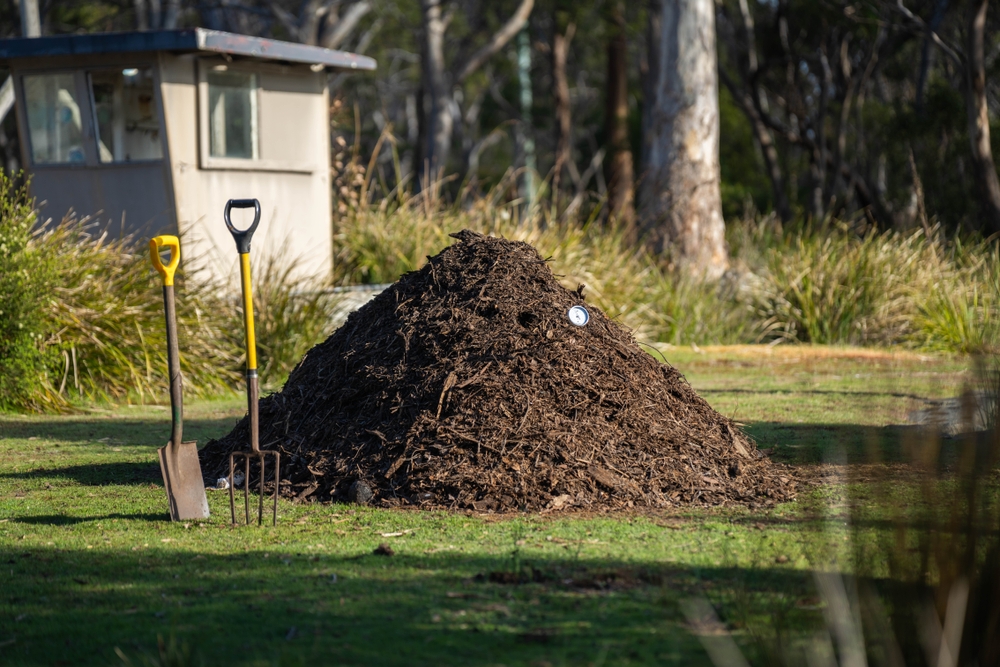
Finished compost can look wonderfully dark and crumbly right up until a half-rotted twig, avocado pit, or mystery chunk of bark lands in the middle of it. Screening finished compost removes those stubborn bits and gives the material a more consistent texture, and the good news is that a fancy commercial sifter does not need to enter the picture.
A few inexpensive materials can turn a pile of homemade compost into something that looks far more polished. The trick involves choosing a screen with openings that match the job, building a setup that does not fight back, and remembering that the goal involves sorting compost, not creating artisanal dust.
1. Hardware Cloth Makes a Tough, Simple Screen
Hardware cloth ranks among the most useful materials for a homemade compost screen because it combines stiffness with open mesh. Galvanized hardware cloth works especially well when compost contains plenty of woody pieces, stems, roots, or other stubborn leftovers that would quickly frustrate a flimsy screen. A piece stretched across a simple wooden frame can handle repeated batches without much drama, and a loose sheet can work for smaller jobs when someone simply shakes compost across it. Choose a mesh opening that lets finished compost fall through while keeping larger debris on top, because mesh size matters far more than the fancy appearance of the frame.
Hardware cloth also offers a practical advantage for gardeners who want one screen for several jobs. A sturdy screen can separate coarse material for another round in the compost pile while allowing finer compost to fall into a wheelbarrow, bucket, or garden bed. Secure the edges carefully because exposed wire can deliver a nasty little surprise to fingers and gloves. A wooden frame makes the screen easier to handle, but even a simple supported sheet can do the job when the compost pile does not demand marathon screening sessions.
2. An Old Window Screen Gets a Second Career
An old window screen can make an excellent fine compost sifter, especially when the compost already looks fairly mature and contains mostly small pieces. The fine mesh catches larger fragments while letting crumbly compost fall through, which makes it particularly handy for seed-starting mixes, potting blends, and situations where a smoother texture matters. An old screen also gives discarded household material a useful second act instead of sending it straight toward the trash. Before using one, check the mesh for tears and make sure the frame still holds together securely.
This approach works best with gentle handling because window-screen mesh does not welcome aggressive shoveling. Place the screen over a container, add a modest amount of compost, and rub or shake the material across the surface until the finer portion drops below. Pull out the sticks and chunks that remain on top and toss them back into an active compost pile. A damaged screen can unravel quickly, so replace it when the mesh starts separating from the frame or develops large holes.
3. A Colander Turns Small Batches Into an Easy Job
A sturdy kitchen colander can screen a surprisingly useful amount of compost when the project involves containers, houseplants, or a small garden rather than an entire backyard pile. The holes already provide consistent openings, and the bowl shape keeps compost from immediately sliding onto the ground. Look for an old metal or heavy-duty plastic colander with holes large enough to let crumbly compost pass while catching larger pieces. This method also makes sense for gardeners who want to screen compost directly over a bucket or tub without constructing anything.
The main limitation involves scale, because a colander becomes tedious when someone tries to process a mountain of compost one handful at a time. It shines for smaller quantities where convenience matters more than speed. Keep the compost reasonably dry, add a manageable scoop, and shake the colander gently over the receiving container. Return the coarse leftovers to the compost pile rather than treating every twig as waste, since many pieces still need more time to decompose.
4. A Wire Baking Rack Can Handle Tiny Jobs
A sturdy wire baking rack can work as a miniature compost screen when the openings suit the material. This option costs little when an unwanted rack already sits in a kitchen cupboard, although gardeners should reserve it for compost work once it leaves food duty. Set the rack over a bucket or shallow tub and push small amounts of crumbly compost across the wires with a gloved hand. The rack works best when the compost already looks close to finished because large chunks can clog the spaces between the wires.
This method rewards patience rather than muscle. A gentle rubbing motion breaks apart soft clumps while larger pieces remain above the rack, and those leftovers can return to the compost pile for more decomposition. Avoid forcing wet, sticky compost through the rack because moisture can turn a simple screening job into a battle with mud. For a few containers of compost, however, the humble baking rack can perform a perfectly respectable encore.
5. Plastic Mesh Creates a Lightweight DIY Sifter
Plastic garden mesh provides another inexpensive option for gardeners who want something light, flexible, and easy to cut. The material can work particularly well when someone builds a shallow frame from scrap wood and stretches the mesh across it. Unlike rigid metal mesh, plastic mesh feels easier to handle and can make a comfortable choice for gardeners who want to keep the equipment lightweight. Choose sturdy mesh with openings suited to the desired compost texture, because very fine mesh can slow the process dramatically.
A simple frame turns the material into a reusable sifter that can rest over a wheelbarrow or large storage tub. Add compost in small amounts, shake the frame, and let the fine material fall through while larger debris stays on top. Inspect the mesh occasionally for stretching or tears, especially after screening compost that contains woody material. When the coarse material piles up, return the useful chunks to the compost pile and keep the finished portion moving toward the garden.
The Best Compost Screen Does Not Need a Price Tag
The right screening material depends on the compost and the finished texture a garden needs, not on how impressive the equipment looks leaning against the shed. Hardware cloth offers durability, window screens provide finer screening, colanders handle small batches, wire baking racks suit tiny jobs, and plastic mesh gives gardeners a lightweight DIY option. None of these materials needs complicated machinery, although each works better when the compost reaches a crumbly stage before screening. Compost that still smells strongly sour, feels excessively wet, or contains many recognizable food scraps needs more time rather than a more aggressive sieve.
Which of these cheap compost-screening materials would work best for your garden, or does your compost pile already have a favorite DIY screening trick? Share the method in the comments!
You May Also Like…
Why Are Gardeners Pairing Roses With Drought-Tolerant Grasses?
6 Reasons Screen-Free Backyard Retreats Are Trending
What Is the Best Way to Cool Down Hot Compost?
6 Gutter-Free Ways to Catch Rainwater From a Garden Shed
Why Are Gardeners Adding Fire-Safe Planting Zones Around Homes?

Brandon Marcus is a staff writer for FrugalGardening.com at District Media, Inc., where he delivers practical gardening advice with a relatable, no-nonsense style. An avid amateur gardener, he holds a BA degree and with over ten years of professional writing experience, he is also an award-winning published author whose first book, Questions For Deep Thinkers, was released by Adams Media. His work has appeared in major publications including Fandom.com, CHUD.com, TheColdWire.com, and Fansided.com.
Leave a Reply