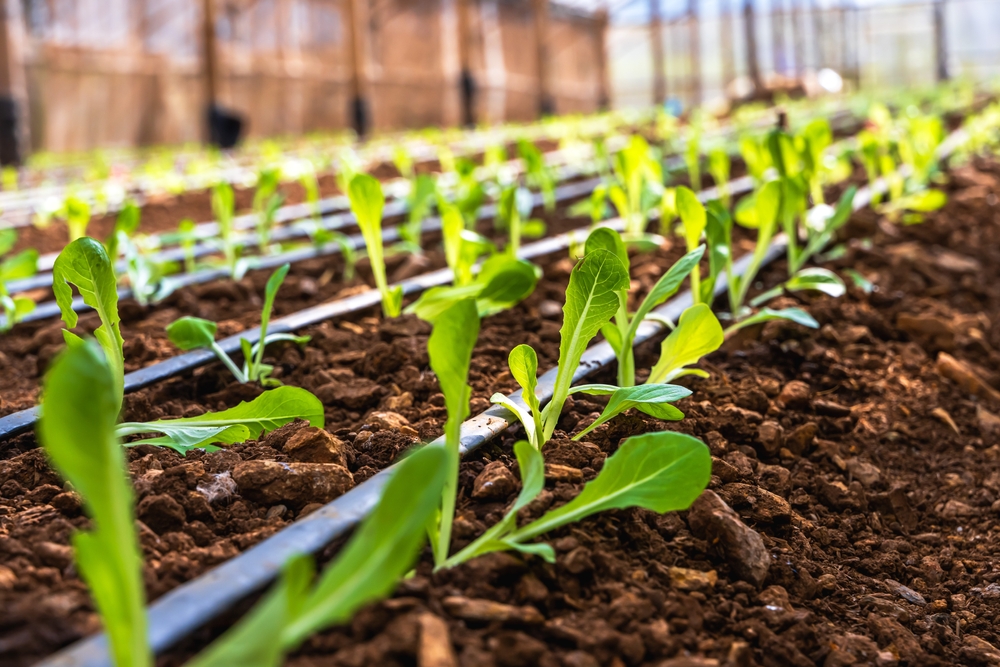
Gardens have always rewarded a little planning, but smart garden tech gives today’s gardeners a serious advantage. Pairing drip irrigation with soil moisture sensors takes much of the guesswork out of watering, helping plants get exactly what they need while keeping more money in your wallet. That means fewer soggy flower beds, fewer stressed vegetables, and a water bill that feels much less dramatic when it arrives.
The best part? This technology no longer belongs only in fancy demonstration gardens or sprawling estates. Affordable systems now fit backyard vegetable patches, colorful flower borders, raised beds, and even container gardens on a sunny patio. A few simple upgrades can quietly handle one of gardening’s biggest challenges while allowing gardeners to spend more time enjoying their landscape instead of dragging hoses across the yard.
Why Smart Garden Tech Changes the Way Gardens Get Water
Traditional watering often depends on habit rather than necessity. Many gardeners water every morning simply because that’s the routine, even after an overnight rain or during cooler weather when soil stays damp much longer. Plants rarely appreciate that kind of generosity because constantly wet soil limits oxygen around roots and can encourage disease.
Smart garden tech changes that routine by responding to actual conditions instead of the calendar. Soil moisture sensors measure how much water remains in the root zone and signal when irrigation should begin or stop. When paired with drip irrigation, water travels slowly and directly to plant roots instead of spraying sidewalks, fences, or patches of bare soil where it evaporates before doing much good.
Drip Irrigation Delivers Water Where It Counts
A sprinkler throws water everywhere, including plenty of places that never needed it. Drip irrigation follows a completely different strategy by releasing water slowly through emitters placed near each plant. Every drop lands close to the roots, where vegetables, shrubs, and flowers can actually use it instead of losing it to wind or midday heat.
That slower delivery also gives soil time to absorb moisture without creating runoff. Clay soils especially benefit because water seeps in gradually rather than racing across the surface toward the nearest driveway. Gardeners often notice fewer weeds as well since wide areas between plants stay much drier, giving unwanted seedlings less opportunity to spring up after every watering session.
Soil Moisture Sensors Take the Guesswork Out
Even experienced gardeners sometimes misjudge soil moisture by looking at the surface. Dry-looking mulch can hide moist soil underneath, while damp-looking soil may have already dried several inches below the surface where roots actively grow. A soil moisture sensor removes that uncertainty by measuring conditions below the top layer.
Many sensors connect directly to irrigation controllers and automatically skip watering when enough moisture already exists. Others provide readings through a smartphone app, making it easy to check garden conditions while sitting on the porch with morning coffee or even while away from home. That simple feedback prevents overwatering just as effectively as it prevents plants from sitting thirsty during a hot spell.
Saving Water Also Means Saving Money
Every unnecessary watering cycle sends money straight down the drain. Water costs continue to climb in many communities, and long, automatic sprinkler sessions often waste far more than most homeowners realize. Smart garden tech helps eliminate those extra cycles by watering only when soil actually needs additional moisture.
The savings go beyond monthly utility bills. Healthier watering habits reduce stress on plants, which often means fewer replacements, less fertilizer washing away, and fewer disease problems caused by consistently soggy soil. Garden equipment also works more efficiently because pumps, timers, and irrigation components operate only when necessary instead of following a rigid daily schedule regardless of weather conditions.
Small Upgrades Can Make a Big Difference
Installing a complete irrigation system may sound intimidating, but many starter kits make the process surprisingly approachable. Raised beds, vegetable gardens, and foundation plantings often require only a simple network of tubing, emitters, and connectors that snap together without specialized tools. Adding a compatible soil moisture sensor creates an even smarter system without dramatically increasing the cost.
Gardeners do not need to automate every inch of the landscape on day one, either. Starting with the vegetable garden or the plants that demand the most consistent watering allows homeowners to learn the system before expanding it later. Like many successful gardening projects, beginning small often leads to the biggest long-term rewards because confidence grows alongside healthier plants.
Let Technology Handle the Hose While You Enjoy the Garden
The goal of smart garden tech is not to replace gardening but to remove one of its most repetitive chores. Plants still need pruning, harvesting, feeding, and the occasional admiring glance during an evening stroll, but watering becomes far more precise and much less time-consuming. That balance allows gardeners to focus on growing beautiful flowers, crisp lettuce, juicy tomatoes, or fragrant herbs instead of constantly wondering whether the soil feels dry enough.
Which smart garden upgrade would you try first, and have you already discovered a gadget that made gardening easier?
You May Also Like…
Is Your Irrigation Ready for Summer? Quick Checks and Cheap Fixes to Beat the Heat
Why Overwatering Is More Dangerous Than Underwatering
The Backyard Gardening Rule That Could Save You Hundreds on Water Bills
10 Plants That Survive Even If You Forget to Water Them
The Gardening Habit That Could Be Raising Your Water Bill by Hundreds

Brandon Marcus is a staff writer for FrugalGardening.com at District Media, Inc., where he delivers practical gardening advice with a relatable, no-nonsense style. An avid amateur gardener, he holds a BA degree and with over ten years of professional writing experience, he is also an award-winning published author whose first book, Questions For Deep Thinkers, was released by Adams Media. His work has appeared in major publications including Fandom.com, CHUD.com, TheColdWire.com, and Fansided.com.
Leave a Reply