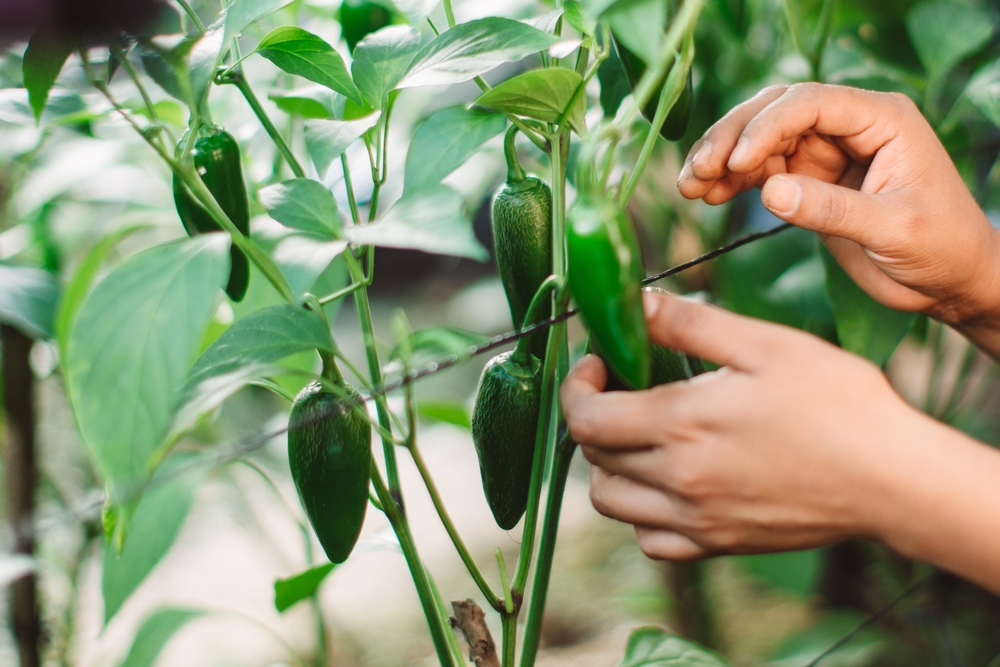
Fresh salsa tastes better when every tomato, pepper, onion, and sprig of cilantro comes straight from the garden. The best part? A productive salsa garden does not require a huge yard or a giant budget. With about $50, a sunny spot, and a little planning, it becomes possible to grow the main ingredients for countless bowls of homemade salsa throughout the growing season.
That small investment often delivers far more than fresh produce. It creates a reason to step outside each day, watch vegetables ripen, and enjoy food that traveled only a few steps from garden to kitchen. Even beginners can enjoy impressive harvests by choosing dependable varieties, preparing the soil well, and keeping up with a few simple maintenance tasks.
Start With the Right Shopping List
A budget-friendly salsa garden starts with seeds or young plants that produce generously without demanding constant attention. Two tomato plants, two pepper plants, a packet of cilantro seeds, a bunching onion packet or a few onion sets, and a bag of quality garden soil or compost fit comfortably into a modest budget. Many garden centers also offer vegetable starter packs during spring, which stretch every dollar even further.
Choosing compact or disease-resistant varieties helps avoid frustration later in the season. Roma tomatoes make excellent salsa because they contain less water than slicing tomatoes and produce thick, flavorful flesh. Jalapeños remain the classic pepper choice, although serranos add extra heat for adventurous cooks, while bunching onions continue producing green tops after repeated harvests. Cilantro grows quickly from seed and often costs very little, making it one of the best bargains in the entire garden.
Give Every Plant the Best Possible Start
Sunlight serves as the secret ingredient that no shopping trip can replace. Tomatoes, peppers, onions, and cilantro all appreciate at least six to eight hours of direct sunlight every day. A location with excellent drainage also keeps roots healthy and reduces many common growing problems before they begin.
Healthy soil rewards gardeners with healthier plants. Mixing compost into existing garden soil improves structure, adds nutrients, and helps retain moisture during hot weather. Container gardeners can achieve similar success by filling large pots with quality potting mix rather than ordinary yard soil, since containers require lightweight media that drains well while still holding enough moisture for growing vegetables.
Water Smart Instead of Watering Often
Many new gardeners reach for the hose every day, but vegetables usually perform better with deep watering that encourages strong root systems. A slow soaking once or twice each week often works better than frequent shallow watering, although weather and soil conditions always influence the schedule. Checking the top inch of soil before watering prevents unnecessary soaking.
Mulch makes this routine much easier. A layer of straw, shredded leaves, or untreated wood chips helps keep moisture in the soil, reduces weeds, and limits soil from splashing onto tomato leaves during rainstorms. Cleaner leaves often mean fewer disease problems, while cooler soil helps vegetables continue producing during stretches of summer heat.
Harvest Often and Keep Plants Producing
Regular harvesting encourages many vegetables to continue producing fresh fruit and tender leaves. Tomatoes taste best after they develop full color on the vine, while jalapeños can get picked green for classic salsa or left longer until they mature into bright red peppers with slightly sweeter flavor. Bunching onions reward frequent trimming because fresh shoots continue replacing those already harvested.
Cilantro requires a little extra attention because warm temperatures eventually trigger flowering, a process called bolting. Sowing another small patch of cilantro every few weeks creates a steady supply of fresh leaves throughout much of the season. Snipping leaves regularly instead of waiting for one giant harvest also helps extend the plant’s productive life before summer heat takes over.
Stretch That Fifty-Dollar Budget Even Further
Smart gardeners look beyond the initial purchase. Saving tomato cages from year to year, collecting rainwater where local regulations allow, and making compost from kitchen scraps all reduce future gardening costs. Even yogurt containers, nursery pots, and food-grade buckets can become useful seed-starting containers after proper cleaning and drainage holes.
Seed packets often contain far more seeds than one season requires. Properly stored seeds remain viable for future planting, allowing next year’s salsa garden to cost even less. Many local libraries, gardening clubs, and community organizations also host seed exchanges where gardeners swap extra seeds without spending another dollar.
From Garden Basket to Salsa Bowl
The beauty of a salsa garden reaches beyond simple savings. Every bowl reflects choices made weeks earlier, from selecting pepper varieties to harvesting tomatoes at their peak. That fresh combination creates brighter flavor, better texture, and a stronger connection to every meal than many store-bought ingredients can match.
A $50 salsa garden also teaches valuable gardening skills without feeling overwhelming. Each season builds confidence, encourages experimentation, and often inspires gardeners to expand into herbs, lettuce, cucumbers, or beans the following year. One sunny corner, a handful of carefully chosen plants, and a little consistent care can turn a modest budget into an abundant harvest that keeps chips busy all summer long.
What ingredient would take center stage in a dream salsa garden, and what favorite salsa recipe deserves the first harvest?
You May Also Like…
Stop Paying Grocery Store Prices: The 1 Backyard Move That Cuts Your Food Costs
Why Raised Bed Gardens Are Suddenly Everywhere in Middle-Class Neighborhoods
Farm-Level Vegetable Prices Are Up 70.2% Year Over Year—Should You Grow More at Home?
The Secret to a Non-Stop Summer Harvest? These 7 Vegetables
Why More People Are Growing Herbs Instead of Buying Them

Brandon Marcus is a staff writer for FrugalGardening.com at District Media, Inc., where he delivers practical gardening advice with a relatable, no-nonsense style. An avid amateur gardener, he holds a BA degree and with over ten years of professional writing experience, he is also an award-winning published author whose first book, Questions For Deep Thinkers, was released by Adams Media. His work has appeared in major publications including Fandom.com, CHUD.com, TheColdWire.com, and Fansided.com.
Leave a Reply