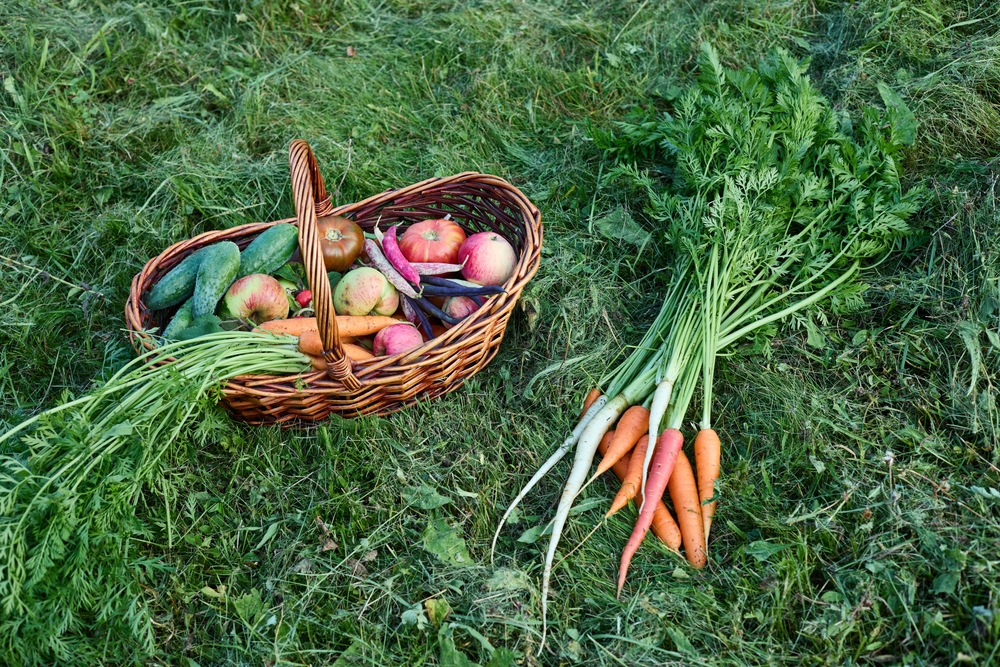
Grocery prices continue to push household budgets in uncomfortable directions, so many people now eye the backyard and wonder if tomatoes, beans, and lettuce can fight back. A garden certainly adds fresh food to the table, but does it actually save enough money to matter? The answer comes with a few surprises, and the biggest one has nothing to do with planting every vegetable under the sun.
A carefully planned garden can reduce grocery spending, especially when it focuses on crops that produce generously and cost plenty at the store. At the same time, an oversized or poorly planned garden can burn through money with expensive supplies, neglected plants, and disappointing harvests. The numbers tell an encouraging story, but they also reward realistic expectations instead of garden daydreams.
The Biggest Savings Come from Choosing the Right Crops
Some vegetables deliver remarkable value while others barely move the needle on a grocery bill. Herbs, leafy greens, tomatoes, cucumbers, snap peas, green beans, peppers, and zucchini often produce large harvests over several weeks, giving families repeated trips to the garden instead of repeated trips to the produce aisle. Those crops also rank among the more expensive fresh items per pound or per serving, which helps every harvest stretch grocery dollars a little further.
Potatoes, onions, and sweet corn often require more space for a return that may not justify the effort for smaller yards. Watermelons and pumpkins also spread aggressively and occupy valuable growing space that could support several higher-producing vegetables instead. A compact garden packed with productive plants frequently beats a sprawling garden filled with lower-value crops because every square foot works harder throughout the growing season.
Planning matters just as much as planting. A family that regularly eats salads gains more value from lettuce, spinach, and herbs than from vegetables nobody enjoys eating. Gardens save the most money when they grow foods that appear on the dinner table week after week instead of vegetables that seem exciting during seed-shopping season but end up forgotten in the refrigerator.
Startup Costs Deserve an Honest Look
A backyard garden does not magically produce free food on day one. Soil improvements, seeds, seedlings, watering equipment, mulch, cages, trellises, and simple hand tools all add to the initial investment. Raised beds can increase those costs even more, especially when gardeners install several at once.
Thankfully, many tools last for years, healthy soil improves over time with compost, and gardeners often learn how to save seeds from open-pollinated varieties. Those changes reduce yearly expenses while making future gardens more productive. A modest garden that expands gradually usually costs less than building an elaborate setup immediately.
Container gardening offers another practical option for households without large yards. Pots on a patio or balcony still produce tomatoes, peppers, herbs, lettuce, and bush beans without requiring lumber or extensive landscaping. Starting small also gives new gardeners room to develop skills before investing more money into larger projects.
Time Also Counts as Part of The Equation
Money tells only part of the story because gardens also demand attention. Plants need watering during dry weather, weeds need removal before they steal nutrients, and ripe vegetables need harvesting at the right moment. Ignoring those chores for even a week during peak summer can shrink both quality and production.
Many successful gardeners solve this challenge with routines instead of marathon workdays. Ten or fifteen minutes in the morning often handle watering, harvesting, and quick inspections before problems spread. Frequent visits also catch pests early, reducing the chance that insects destroy an entire crop before anyone notices.
Gardening rewards consistency more than perfection. A small, well-maintained plot almost always produces better food than a large garden that overwhelms its owner. That simple reality helps explain why experienced gardeners often expand slowly instead of filling every available corner during their first season.
The Hidden Value Goes Beyond Grocery Receipts
Fresh vegetables often taste dramatically different when picked minutes before dinner instead of traveling through storage, shipping, and store displays. Tomatoes offer perhaps the best example because vine-ripened fruit develops richer flavor and better texture than many supermarket varieties. That quality encourages families to eat more fresh produce, creating value that never appears on a receipt.
Gardens also reduce food waste in surprising ways. Instead of buying an entire package of parsley or basil for one recipe, cooks simply harvest exactly what they need. Lettuce leaves stay alive until harvest rather than wilting inside a refrigerator drawer, and herbs continue producing fresh growth for weeks or even months.
Many gardeners also preserve surplus harvests through freezing, drying, or canning. Green beans, tomatoes, peppers, and herbs often continue providing meals long after summer ends. Those preserved foods extend the financial benefits beyond one growing season without requiring another grocery purchase.
The Real Winner Might Surprise Most People
A backyard garden rarely eliminates grocery bills, and nobody should expect a handful of tomato plants to erase months of food inflation. Even so, thoughtful crop selection, modest startup costs, consistent care, and realistic expectations often create meaningful savings while delivering fresher meals along the way. The biggest payoff comes from treating gardening as both a food source and a long-term investment that improves with each passing season.
Families who start with a few dependable vegetables usually gain confidence, harvest more food than expected, and spend less on replacing failed plants or unnecessary supplies. Each season teaches valuable lessons that improve future harvests without increasing costs. Grocery inflation may continue to challenge household budgets, but a productive backyard garden gives people one practical way to place a little more control back into their own hands.
Which vegetables have saved the most money in your garden, or which ones do you plan to grow first? Give us your experience in the comments below.
You May Also Like…
7 Vegetables That Give You the Biggest Harvest for the Money
The Crops Worth Planting Now If Grocery Produce Keeps Rising
Why Grocery Inflation Is Sending Americans Back to Gardening Again
The Cheap Backyard Upgrade That Makes Summer Nights Better
7 Backyard Plants That May Be Attracting More Bugs Than You Realize

Brandon Marcus is a staff writer for FrugalGardening.com at District Media, Inc., where he delivers practical gardening advice with a relatable, no-nonsense style. An avid amateur gardener, he holds a BA degree and with over ten years of professional writing experience, he is also an award-winning published author whose first book, Questions For Deep Thinkers, was released by Adams Media. His work has appeared in major publications including Fandom.com, CHUD.com, TheColdWire.com, and Fansided.com.
Leave a Reply