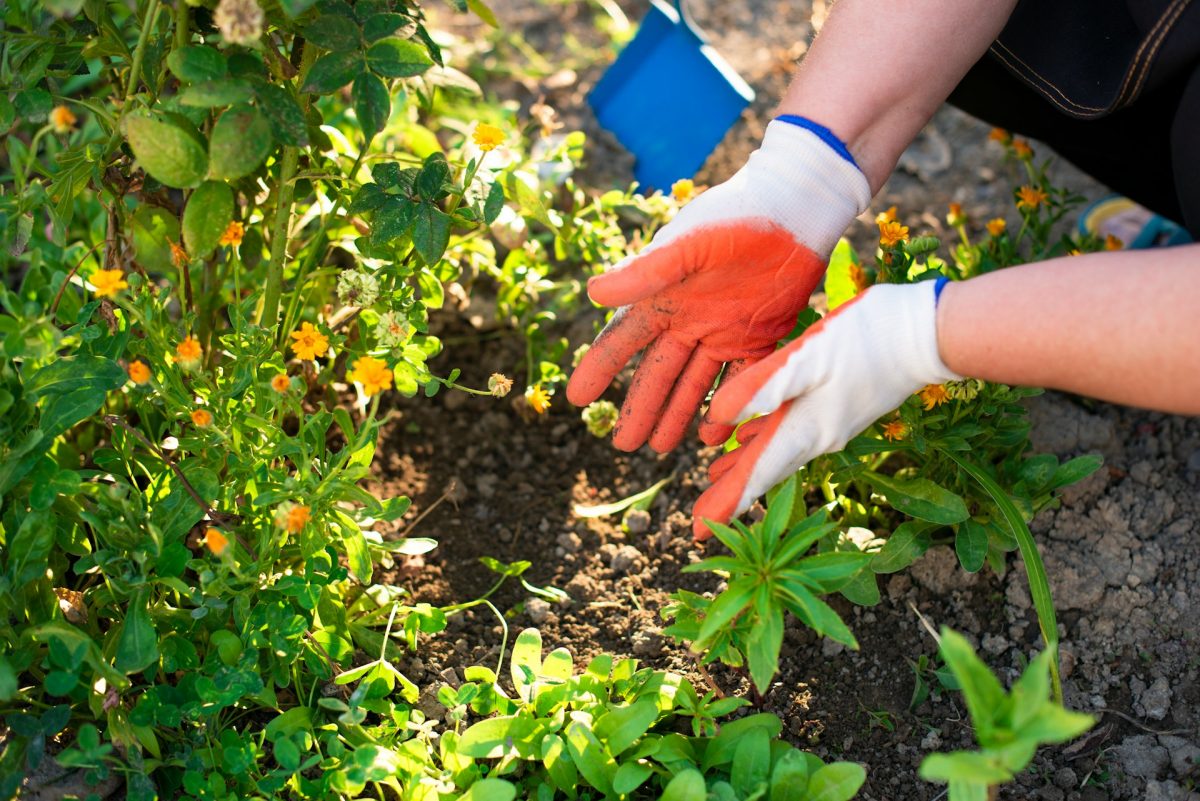
Gardens rarely fail overnight. They usually whisper their problems long before plants stop producing. Fertilizer mistakes sit at the top of that silent sabotage list, quietly shrinking harvests while leaves still look “fine” at a glance. Many gardeners push more nutrients into the soil thinking bigger feeding equals bigger yields, but plants don’t work that way. A smart fertilizing strategy feeds plants exactly what they need, when they need it, without overwhelming their natural growth rhythm.
The tricky part comes from confidence. Fertilizer shelves look simple, yet plant nutrition behaves like a living chemistry experiment under the soil. One small misstep can throw off root development, fruiting cycles, or even flavor quality. The good news shows up fast: once these mistakes get corrected, gardens often rebound with surprising energy.
1. Overfertilizing and “Feeding for Growth Explosion”
Overfertilizing ranks as one of the most common mistakes in home gardens. Many gardeners assume more nutrients automatically equal faster growth, but plants often respond with stress instead of strength. Excess nitrogen pushes leafy growth at the expense of flowers and fruit, which leads to big, lush plants that barely produce anything worth harvesting. Salt buildup from synthetic fertilizers also damages root systems and blocks water uptake over time.
Plants show warning signs like scorched leaf edges, excessive leaf size, and weak stems that collapse under their own weight. These symptoms often confuse gardeners who believe they are “doing more right.” A better approach involves applying fertilizer in smaller, scheduled doses rather than heavy applications. Balanced feeding supports steady development and helps plants distribute energy into both foliage and production.
2. Ignoring Soil Testing Before Fertilizer Application
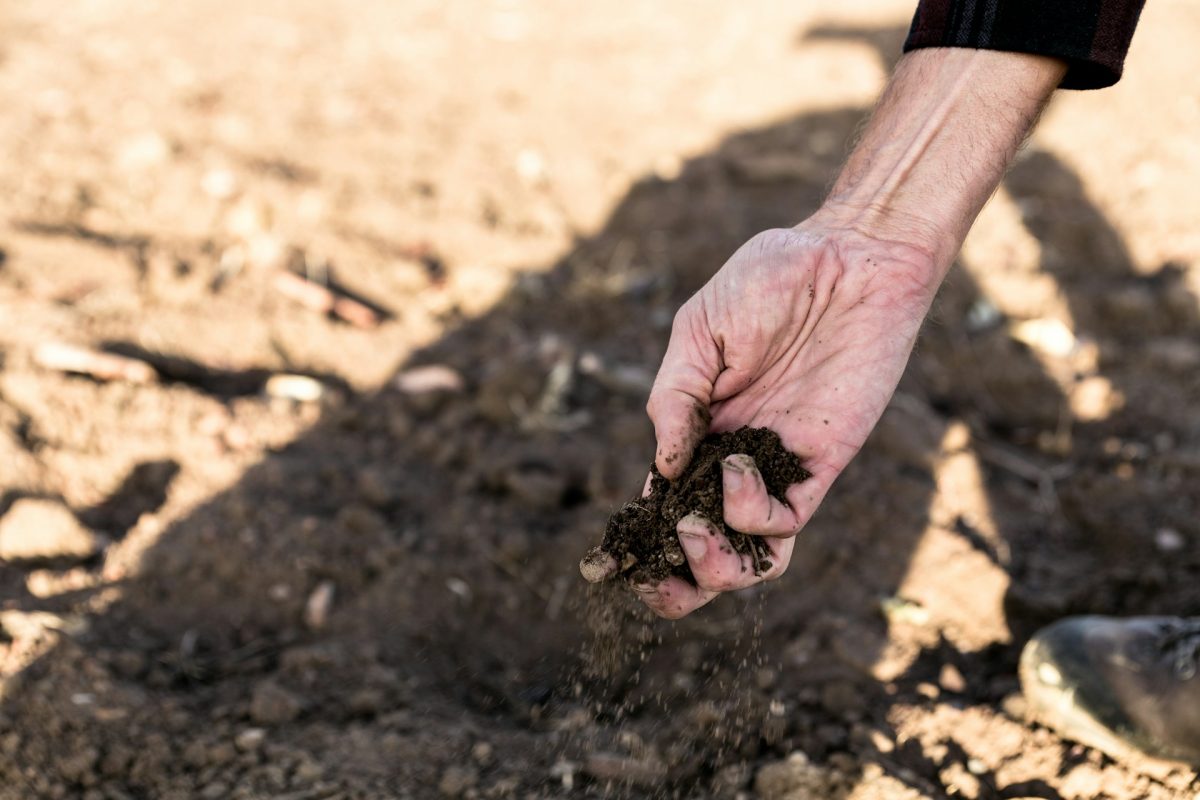
Soil testing often gets skipped, yet it functions like a nutrition map for the entire garden. Without it, fertilizer decisions rely on guesswork instead of real data. Many soils already contain hidden reserves of nutrients, and adding more without knowing levels creates imbalance rather than improvement. That imbalance can lock out essential elements like calcium, magnesium, or potassium.
Plants growing in poorly balanced soil often look confused rather than clearly sick, which makes diagnosis tricky. One bed might produce great tomatoes while another struggles with the same treatment, and soil differences usually explain the gap. A simple soil test reveals pH levels and nutrient availability, helping gardeners choose precise fertilizers instead of generic blends. This one step often turns inconsistent gardens into predictable producers.
3. Using the Wrong Fertilizer Ratio for Plant Stage
Plants demand different nutrient ratios depending on their growth stage, yet many gardeners apply the same fertilizer all season long. Early growth stages need more nitrogen for foliage development, while flowering and fruiting stages demand higher phosphorus and potassium. A mismatch creates imbalances that directly affect yield quality and quantity.
For example, tomatoes fed too much nitrogen during flowering often produce thick vines but fewer fruits. On the other hand, underfeeding potassium can lead to bland-tasting produce with weak structure. Matching fertilizer ratios to plant development stages creates a smoother energy transition within the plant. This approach improves both harvest size and flavor without increasing total fertilizer use.
4. Fertilizing at the Wrong Time of Day or Season
Timing matters just as much as fertilizer type, yet many gardeners overlook it. Applying fertilizer during hot midday sun can stress roots and increase nutrient loss through evaporation. Fertilizing before heavy rain often washes nutrients away before plants can absorb them. Seasonal timing also plays a major role in how effectively plants use nutrients.
Cool mornings or late afternoons usually provide the best absorption windows because plants actively transport nutrients without extreme heat stress. Seasonal awareness also matters, since late-season nitrogen boosts leafy growth when plants should focus on fruit ripening. Proper timing turns fertilizer from a wasteful habit into a precision tool. Gardens respond quickly when feeding aligns with natural plant cycles.
5. Forgetting Organic Matter as a Natural Fertilizer Booster
Many gardeners rely heavily on commercial fertilizers while ignoring organic matter, which slowly builds long-term soil health. Compost, mulch, and decomposed plant material feed soil microbes that regulate nutrient availability. Without this biological support system, even high-quality fertilizer cannot perform at its best. Soil becomes less efficient at holding and releasing nutrients over time.
Organic matter also improves water retention and root penetration, which directly supports better fertilizer absorption. Gardens with rich organic content often require less synthetic input while producing stronger yields. Adding compost regularly creates a living soil environment rather than a sterile feeding ground. Healthy soil biology amplifies every fertilizer application naturally and sustainably.
Feeding Smarter, Not Harder for Bigger Harvests
Fertilizer success rarely comes from doing more. It comes from doing it with precision, timing, and awareness of what plants actually need beneath the surface. Each mistake—whether it involves overfeeding, ignoring soil tests, or mismatching nutrients—quietly reduces yield long before visible damage appears. Once gardeners start treating fertilizer like a targeted tool instead of a blanket solution, plant performance changes quickly.
Strong gardens thrive on balance. Nutrients, soil health, timing, and plant stage all work together like pieces of a puzzle. When one piece falls out of place, yields shrink without obvious warning signs. Fixing these fertilizer habits builds stronger roots, healthier plants, and harvests that finally match the effort poured into the garden beds.
What fertilizer mistake shows up most often in your home garden, and what surprising change followed after fixing it? Give us your insight and advice below in our comments section.
You May Also Like…
Stop Buying Fertilizer: 6 Free Kitchen Scraps That Supercharge Your Soil
The Chicken Manure Connection: Finding Free Fertilizer in Your Local Facebook Group
How Mulch Color Can Affect Your Garden More Than You Think
Stop Buying Mulch: 3 Free Alternatives Already in Your Backyard
The Urine Secret: The “Gold” Fertilizer No One Wants to Talk About

Brandon Marcus is a staff writer for FrugalGardening.com at District Media, Inc., where he delivers practical gardening advice with a relatable, no-nonsense style. An avid amateur gardener, he holds a BA degree and with over ten years of professional writing experience, he is also an award-winning published author whose first book, Questions For Deep Thinkers, was released by Adams Media. His work has appeared in major publications including Fandom.com, CHUD.com, TheColdWire.com, and Fansided.com.
Leave a Reply