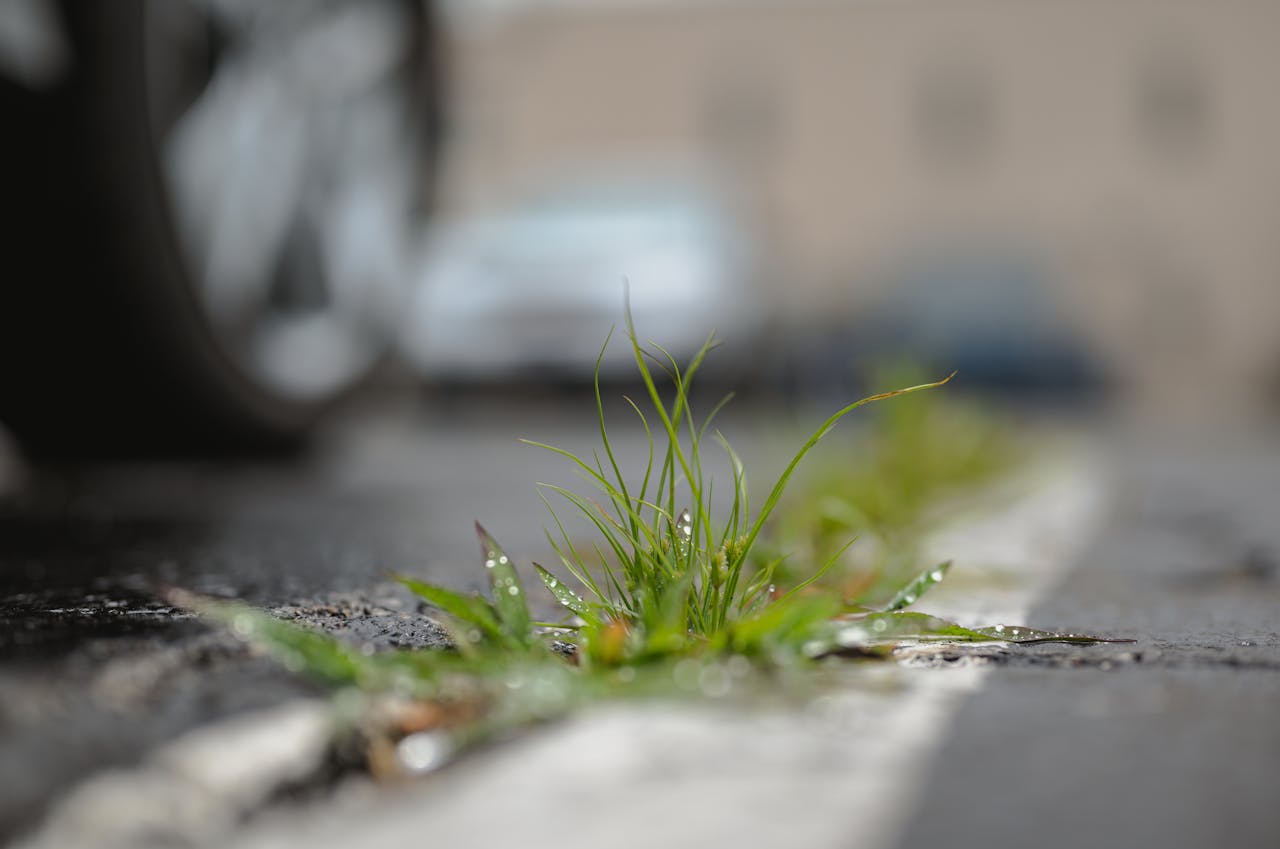
It starts as a small, unimpressive patch. Nothing dramatic, nothing that screams for attention. But give it a few warm days, a little sunlight, and just enough neglect, and suddenly the yard looks like it belongs to the weed instead of the homeowner. That quiet takeover catches people off guard every single season, and by the time it feels obvious, the battle already feels uphill.
One weed in particular loves this kind of slow-motion ambush, and it spreads with a confidence thhow to pull at feels almost aggressive. It does not wait politely for space. It claims it. It thrives in heat, laughs at poor soil, and crowds out grass like it owns the place.
The Backyard Bully: Why Crabgrass Refuses to Play Nice
Crabgrass earns its reputation as a backyard bully because it grows fast, spreads wide, and refuses to share space with anything else. This annual weed germinates when soil temperatures rise in late spring, and once it gets going, it expands outward in low, thick clumps that choke surrounding grass. It thrives in thin or patchy lawns, especially where soil compaction or heat stress already weakened the turf. Instead of blending in, it dominates, creating uneven texture and color that stands out immediately.
This weed does not rely on subtle growth patterns. It pushes aggressively, sending out stems that root at the nodes and expand the plant’s footprint in every direction. Each plant produces thousands of seeds before the end of the growing season, and those seeds sit patiently in the soil until conditions feel right again. That cycle repeats year after year unless someone interrupts it early. Letting even a few plants mature means setting up a much bigger problem for the next season.
Crabgrass also handles tough conditions better than most lawn grasses, which gives it an unfair advantage. Hot weather, drought, and compacted soil barely slow it down. While other grasses struggle and thin out, crabgrass fills the gaps quickly and confidently. That resilience explains why it shows up in driveways, sidewalk cracks, and neglected corners just as easily as it invades lawns. It doesn’t need perfect conditions. It just needs an opportunity.
Spot It Before It Spreads: What Crabgrass Actually Looks Like
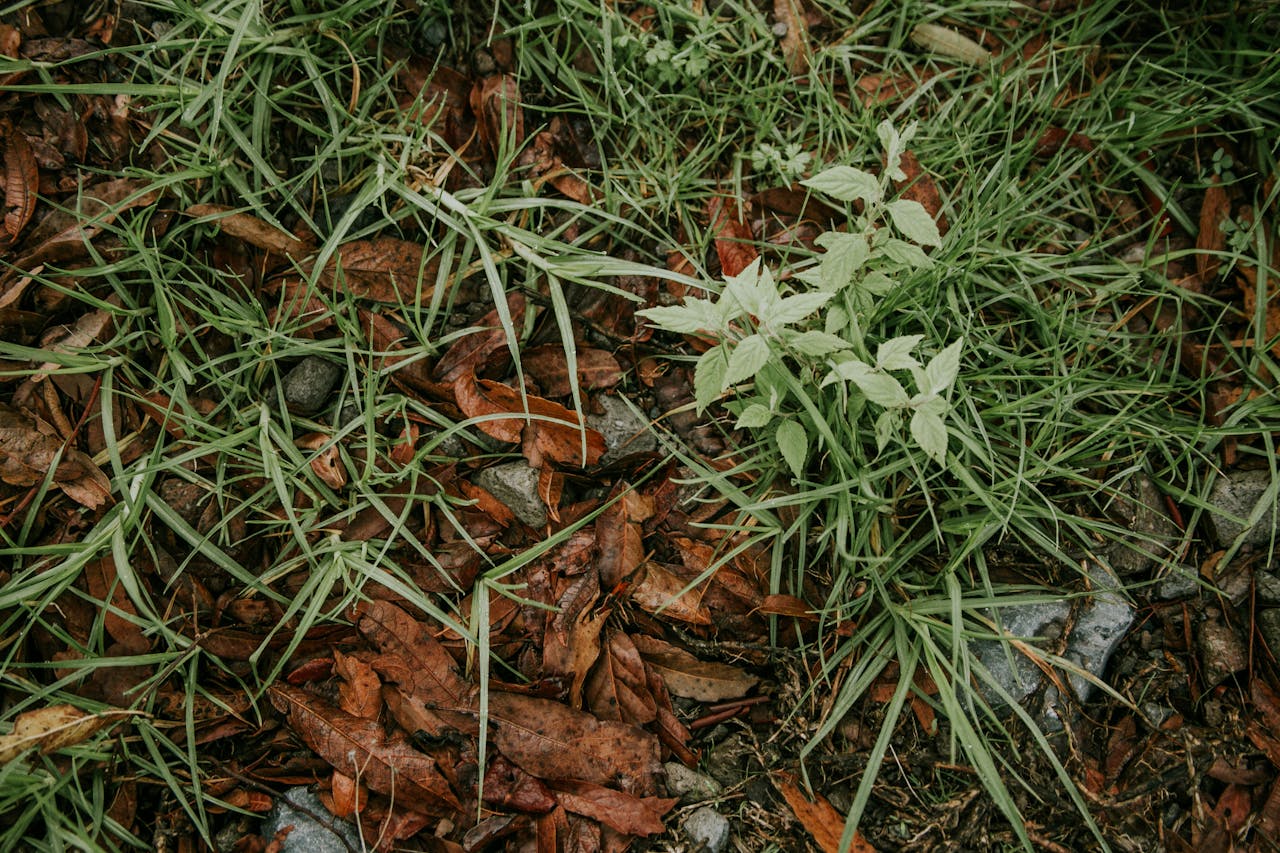
Catching crabgrass early requires knowing exactly what to look for, and that starts with its distinct growth pattern. Young crabgrass plants appear as light green shoots that spread low to the ground rather than growing upright like typical lawn grass. The leaves look wider and coarser than most turf varieties, and they often form a star-like pattern as they branch outward. That low, sprawling shape gives crabgrass its name because it resembles a crab reaching out with multiple legs.
As it matures, crabgrass becomes thicker and more noticeable, forming dense clumps that disrupt the smooth look of a lawn. The color often shifts slightly lighter than surrounding grass, which makes patches stand out even more under bright sunlight. Seed heads begin to form in mid to late summer, rising above the plant in finger-like spikes that signal the plant has reached full maturity. At that point, it already produced seeds or will do so very soon, which means time has run out for easy control.
Early identification changes everything. Spotting those first few low-growing clumps in late spring gives a chance to act before the plant spreads or produces seeds. Waiting even a few weeks allows it to anchor itself more firmly and expand outward, turning a small annoyance into a much larger problem. Keeping an eye on thin areas of the lawn, especially where grass struggles, helps catch crabgrass before it takes over.
Stop It in Its Tracks: The Smartest Ways to Fight Back Early
The most effective way to deal with crabgrass starts long before it appears, and that means focusing on prevention. A thick, healthy lawn leaves little room for weeds to take hold, so proper mowing, watering, and fertilizing play a huge role in keeping crabgrass out. Mowing at the correct height allows grass to shade the soil, which makes it harder for crabgrass seeds to germinate. Deep, infrequent watering encourages strong root systems that outcompete weeds naturally.
Pre-emergent herbicides offer another powerful tool when used at the right time. Applying them in early spring, just before soil temperatures rise enough for crabgrass seeds to germinate, creates a barrier that stops seeds from sprouting. Timing matters a lot because applying too late reduces effectiveness significantly. Watching local soil temperatures or seasonal cues like blooming plants helps determine the right moment for application.
Once crabgrass appears, quick action still makes a difference. Pulling young plants by hand works well when the soil feels moist and roots come out easily. For larger infestations, targeted post-emergent herbicides help control growth, but early application delivers the best results. Letting plants mature makes them tougher to kill and increases the chances of seed production. Staying consistent with removal efforts prevents small patches from turning into a widespread problem.
How to Keep Crabgrass From Coming Back Next Year
Winning the battle against crabgrass requires more than one season of effort. This weed relies on its massive seed production to return year after year, so breaking that cycle takes patience and consistency. Removing plants before they produce seeds reduces the number of future invaders significantly. Even one missed patch can undo progress, so staying vigilant matters.
Improving overall lawn health creates long-term resistance against crabgrass. Aerating compacted soil allows roots to grow deeper and stronger, which helps grass compete more effectively. Overseeding thin areas fills in gaps where crabgrass would otherwise move in. Healthy turf acts like a natural barrier, reducing the need for constant intervention.
Seasonal routines also make a big difference. Applying pre-emergent treatments each spring, maintaining proper mowing height, and adjusting watering habits based on weather conditions all contribute to a stronger lawn. Over time, these habits reduce crabgrass pressure and make outbreaks less severe. The goal shifts from constant reaction to steady prevention, which feels far more manageable.
Beat the Weed Before It Beats You
Crabgrass does not wait for permission, and it does not slow down once it gets comfortable. Early action turns a frustrating problem into a manageable task, while delay almost guarantees a tougher fight later in the season. A few minutes spent spotting and removing young plants can save hours of work down the line. Staying consistent with lawn care practices keeps the yard strong enough to resist future invasions.
What strategies have worked best for keeping stubborn weeds like crabgrass under control, and what challenges keep showing up year after year? It’s time to share your ideas and experiences in our comments section.
You May Also Like…
7 Low-Growing Plants That Beat Weeds Without Constant Maintenance
Why Early Spring Weeds Are Spreading Faster Than Most Gardeners Expect
How to Identify Invasive Weeds Early
10 Winter Weeds That Start Early and How to Stop Them
Here Are The 5 Most Aggressive Weeds During Winter

Brandon Marcus is a staff writer for FrugalGardening.com at District Media, Inc., where he delivers practical gardening advice with a relatable, no-nonsense style. An avid amateur gardener, he holds a BA degree and with over ten years of professional writing experience, he is also an award-winning published author whose first book, Questions For Deep Thinkers, was released by Adams Media. His work has appeared in major publications including Fandom.com, CHUD.com, TheColdWire.com, and Fansided.com.
Leave a Reply