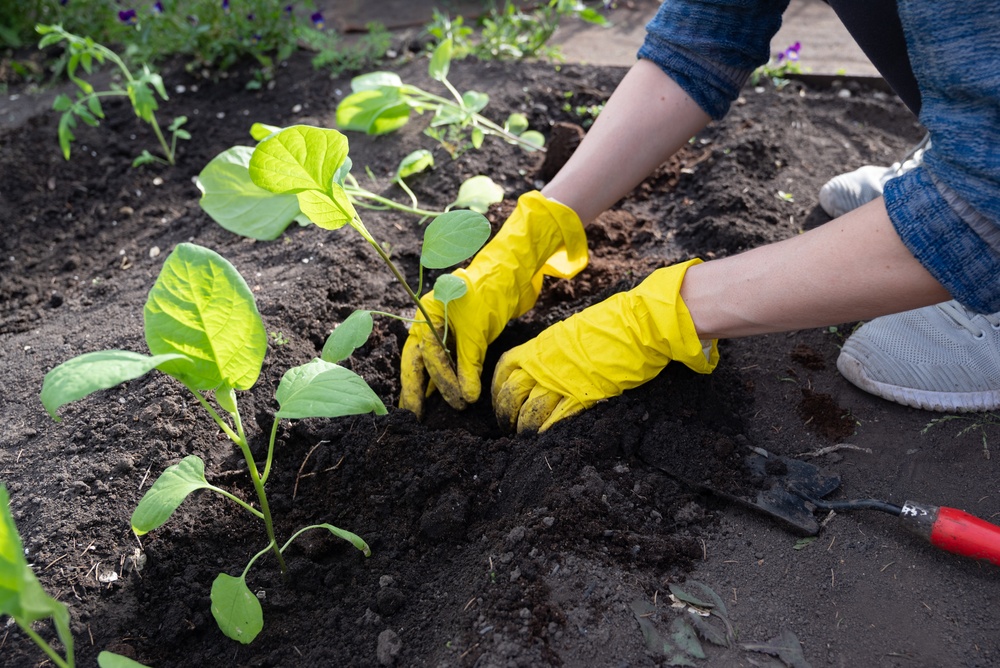
Gardens don’t fail because of bad seeds nearly as often as they fail because of tired, depleted soil. Soil acts like the engine of every garden, and when it runs low on nutrients, plants struggle to perform. Smart gardeners know that improving soil quality creates stronger roots, healthier plants, and noticeably bigger harvests.
Every shovel of effort put into soil pays back in flavor, size, and plant resilience. These five methods transform ordinary dirt into a nutrient-rich powerhouse that pushes yields higher season after season.
1. Composting Turns Waste Into Garden Gold
Composting transforms kitchen scraps and yard waste into nutrient-rich organic matter that feeds soil microbes. Banana peels, coffee grounds, and vegetable trimmings break down into a dark, crumbly material that improves soil structure. Gardeners who regularly apply compost notice faster plant growth and stronger resistance to pests. This method also reduces landfill waste, making it a win for both gardens and the environment. Over time, compost builds a living soil ecosystem that supports consistent, high yields.
A healthy compost pile needs balance between green materials like food scraps and brown materials like dried leaves. Turning the pile every couple of weeks speeds decomposition and prevents foul odors. Mature compost smells earthy and feels soft, almost like forest floor soil. Adding two to three inches of compost before planting gives crops a strong nutritional foundation. Consistent compost use turns weak soil into a fertile growing machine.
2. Crop Rotation Prevents Nutrient Depletion
Crop rotation keeps soil from losing essential nutrients by changing what grows in each area every season. Heavy feeders like tomatoes and corn drain nitrogen quickly, so alternating them with legumes restores balance naturally. Farmers and home gardeners alike use rotation to prevent disease buildup and pest cycles. This simple shift in planting strategy dramatically improves long-term soil productivity. Over time, rotated soil stays richer and more stable.
A basic rotation plan divides crops into groups such as leafy greens, root vegetables, legumes, and fruiting plants. Each group interacts with soil nutrients differently, which helps maintain balance across growing cycles. Rotating crops also disrupts pest life cycles, reducing infestations without chemicals. Gardeners who map out planting beds each season gain more predictable and healthier harvests. This method builds resilience into the entire garden system.
3. Mulching Locks in Moisture and Feeds Soil Life
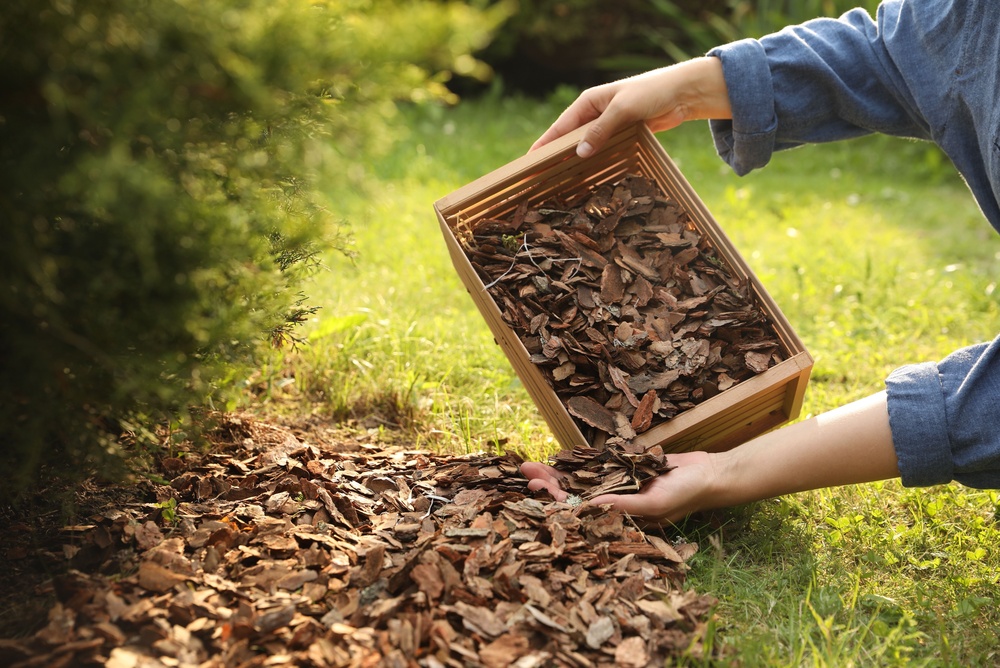
Mulching covers soil with organic or inorganic material to protect it from harsh environmental conditions. Straw, wood chips, and shredded leaves shield the soil from erosion while regulating temperature. This protective layer reduces water evaporation, which keeps roots consistently hydrated during hot weather. Mulch also slowly breaks down, adding organic matter back into the soil. Healthy mulch layers support thriving microbial activity that boosts plant growth.
Gardeners who apply mulch notice fewer weeds competing for nutrients and water. A two- to four-inch layer works best for most garden beds and should stay clear of plant stems. Organic mulch improves soil texture as it decomposes season after season. This method also reduces watering needs, which saves time and effort during peak summer months. Strong mulch coverage creates a stable environment where crops can thrive without stress.
4. Cover Crops Build Living Fertility
Cover crops grow specifically to protect and improve soil during off-seasons. Plants like clover, rye, and buckwheat add organic matter and prevent erosion when main crops finish harvesting. These plants pull nutrients from deep in the soil and bring them closer to the surface. Once tilled back into the ground, they act as natural fertilizer. This method keeps soil active even when food crops don’t grow.
Farmers often call cover crops “green manure” because of their ability to enrich soil naturally. Legumes in particular fix nitrogen, which reduces the need for synthetic fertilizers. Dense root systems also break up compacted soil, improving drainage and aeration. Gardeners who use cover crops notice improved soil texture within a single season. This approach builds long-term fertility without expensive inputs.
5. Aeration Unlocks Hidden Soil Potential
Soil compaction blocks air, water, and nutrients from reaching plant roots effectively. Aeration breaks up dense soil layers, allowing roots to expand more freely. Tools like garden forks or mechanical aerators loosen the ground and improve circulation. This process supports deeper root growth and stronger plant stability. Healthier roots always translate into higher yields above ground.
Clay-heavy or frequently walked-on soils benefit most from regular aeration. Performing this task before planting season gives roots a better starting environment. Aeration also improves microbial activity by increasing oxygen flow underground. Gardeners who aerate consistently notice faster drainage and reduced water pooling. This method unlocks the soil’s full productive potential.
Soil That Works Like a High-Performance Engine
Strong gardens always start below the surface where soil health determines everything above it. Composting feeds the ecosystem, crop rotation balances nutrients, mulch stabilizes conditions, cover crops rebuild fertility, and aeration keeps everything flowing. Each method strengthens the soil in a different way, but together they create a powerful system that supports abundant harvests. Gardeners who combine these techniques notice bigger vegetables, healthier plants, and fewer seasonal problems. Soil improvement doesn’t just boost yield—it transforms the entire gardening experience into something more reliable and rewarding.
What soil improvement method has made the biggest difference in garden success?
You May Also Like…
Low-Cost Cover Crops That Improve Soil Without Extra Work
7 Warm Soil Picks That Establish Faster
5 Soil Health Improvements That Deliver Quick Results
8 Sandy Soil-Friendly Picks That Adapt Quickly
Why Leaves Droop Even When Soil Feels Moist

Brandon Marcus is a staff writer for FrugalGardening.com at District Media, Inc., where he delivers practical gardening advice with a relatable, no-nonsense style. An avid amateur gardener, he holds a BA degree and with over ten years of professional writing experience, he is also an award-winning published author whose first book, Questions For Deep Thinkers, was released by Adams Media. His work has appeared in major publications including Fandom.com, CHUD.com, TheColdWire.com, and Fansided.com.
Leave a Reply