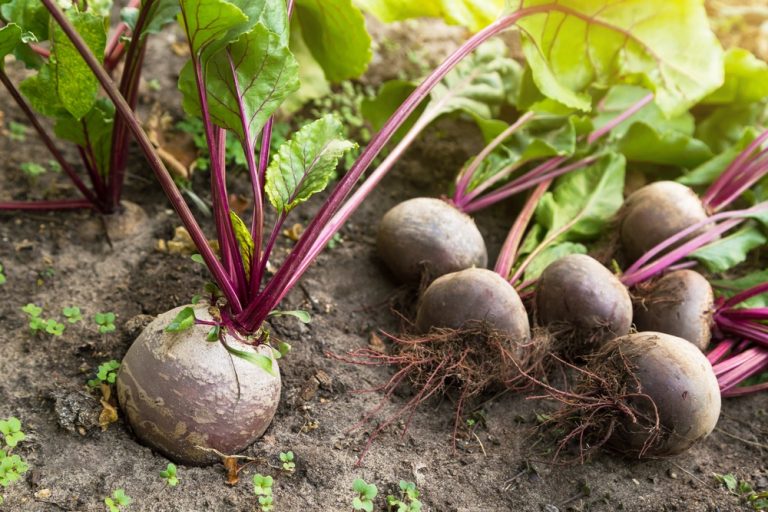
Your tomato plants are fading, the cucumbers have stopped producing, and your summer garden looks like it’s ready to close for the year. But before you pack away your tools, there’s one vegetable worth considering for your next cool-weather garden: beets. These colorful root vegetables can thrive when temperatures drop, provide more than one edible…
garden tips
Why Plastic Sheeting Can Damage Plants During Cold Nights
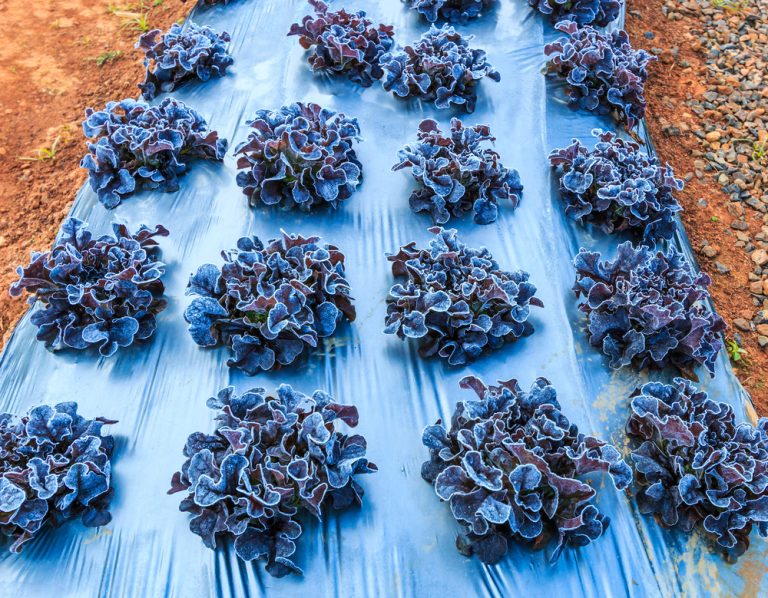
The weather forecast calls for freezing temperatures, and you don’t have a frost blanket handy. You spot an old roll of plastic sheeting in the garage and figure it should work just as well. After all, if plastic keeps rain and wind out, shouldn’t it protect your garden from the cold, too? Unfortunately, that seemingly…
Why Spinach Gets Sweeter as Temperatures Drop
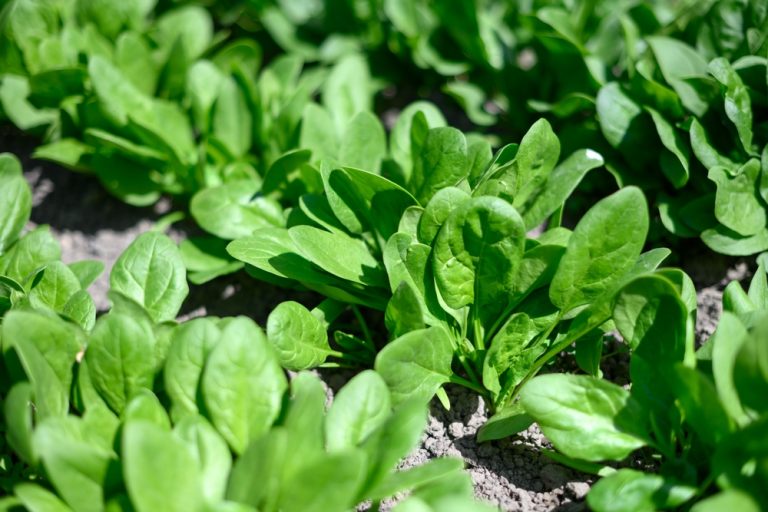
If you’ve ever tasted spinach straight from the garden on a chilly fall morning, you might have noticed something surprising: the leaves can taste sweeter and less bitter than the spinach you harvested during warmer weather. That isn’t just your imagination. Cooler temperatures can actually change the chemistry inside certain vegetables, creating flavors that are…
How to Plant Lettuce for a Late Fall Harvest
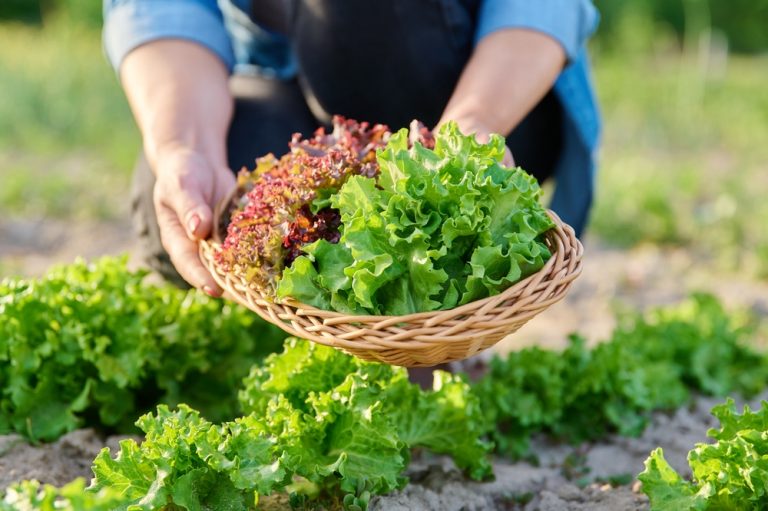
Your summer tomatoes are finished, the cucumber vines are turning brown, and the garden beds that kept you busy all summer are starting to look empty. But before you pack away your gardening tools, there’s one inexpensive crop that can keep fresh food coming well into autumn. Lettuce thrives in cooler weather, and with the…
The Best Radish Varieties for Short Cool-Weather Growing
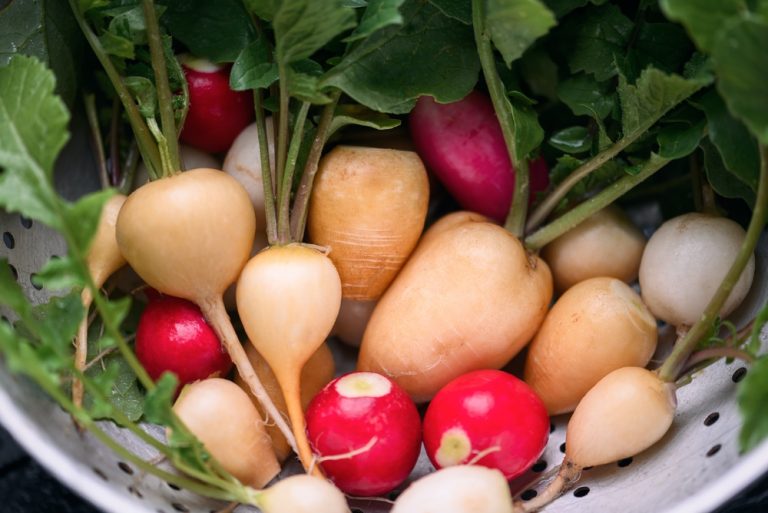
Your summer vegetable garden may be winding down, but that doesn’t mean you’ve missed your last opportunity to grow something fresh. While tomatoes and peppers need months of warm weather, certain radishes can go from seed to harvest in just three or four weeks. That makes them an excellent option for gardeners hoping to squeeze…
How to Grow Carrots Before the Ground Gets Too Cold
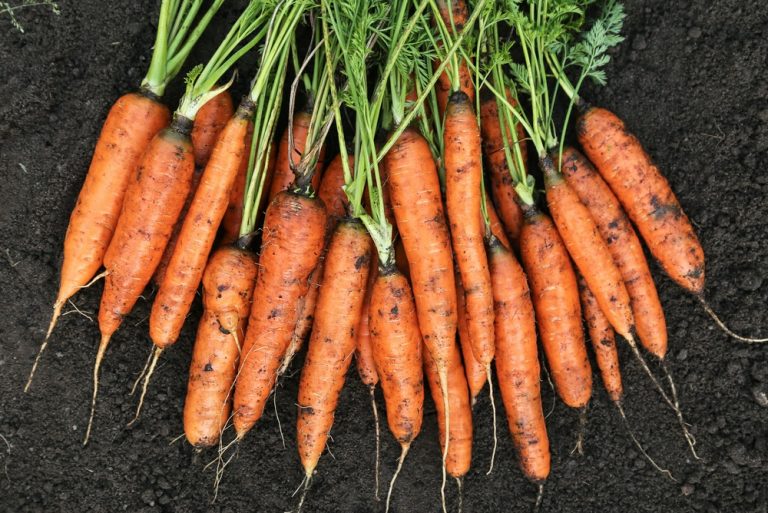
Your summer garden might be winding down, but those empty vegetable beds could still have something to offer. Carrots are one of the more rewarding cool-season crops because they tolerate chilly temperatures, store well, and can develop excellent flavor during autumn. However, getting them established before the ground becomes too cold requires a little more…
How to Grow Kale After Summer Crops Fade
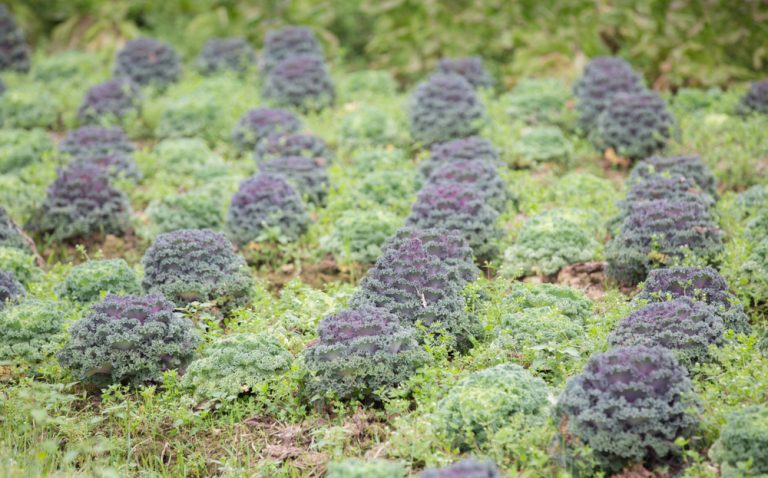
Your tomatoes are finished, the cucumbers have stopped producing, and your once-productive summer garden is starting to look empty. But before you pull everything out and call it a season, there’s one vegetable worth planting that actually prefers cooler temperatures. Kale can turn those empty garden beds into a fresh source of leafy greens long…
Why Some Store-Bought Mums Fail After the First Cold Snap
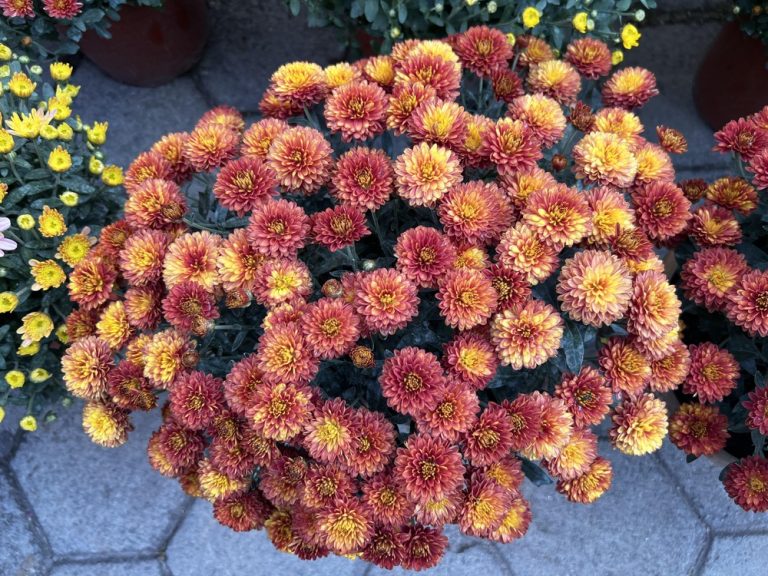
You bring home a beautiful pot of chrysanthemums, set it beside your pumpkins, and enjoy a burst of fall color on your porch. Then the first cold snap arrives, and suddenly those cheerful flowers are brown, drooping, or completely lifeless. It’s frustrating, especially when you paid $15 or $20 for a plant you hoped would…
How to Refresh Container Gardens With Cool-Season Color
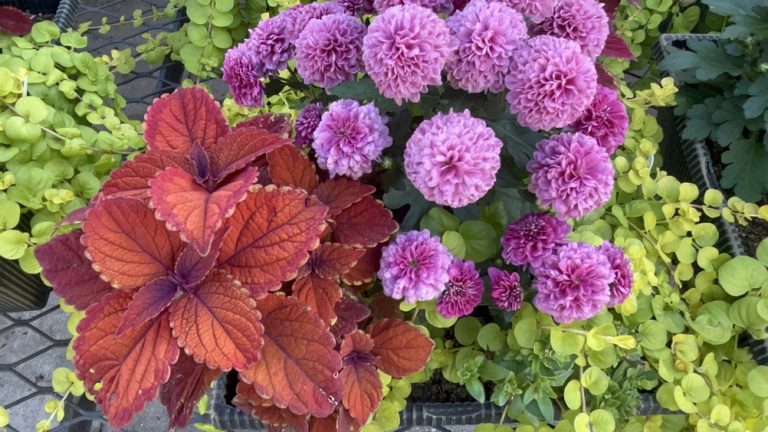
Your summer container gardens probably looked beautiful a few months ago, but by October, those once-colorful petunias, begonias, and other warm-weather flowers may be looking tired. Fortunately, you don’t have to pack away your planters or spend a fortune replacing everything. With a few strategic changes, those same pots can provide beautiful color throughout fall…
How to Keep Deer From Browsing Shrubs Through Winter
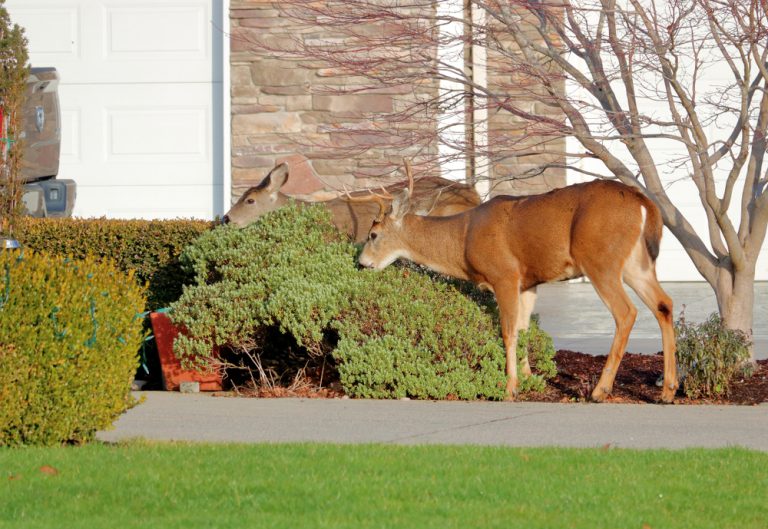
You spent spring planting new shrubs, summer keeping them watered, and fall making sure they’re ready for colder weather. Then, one winter morning, you look outside and discover that deer have eaten half the branches off your favorite plants. Unfortunately, winter browsing can undo months or even years of gardening work in a surprisingly short…