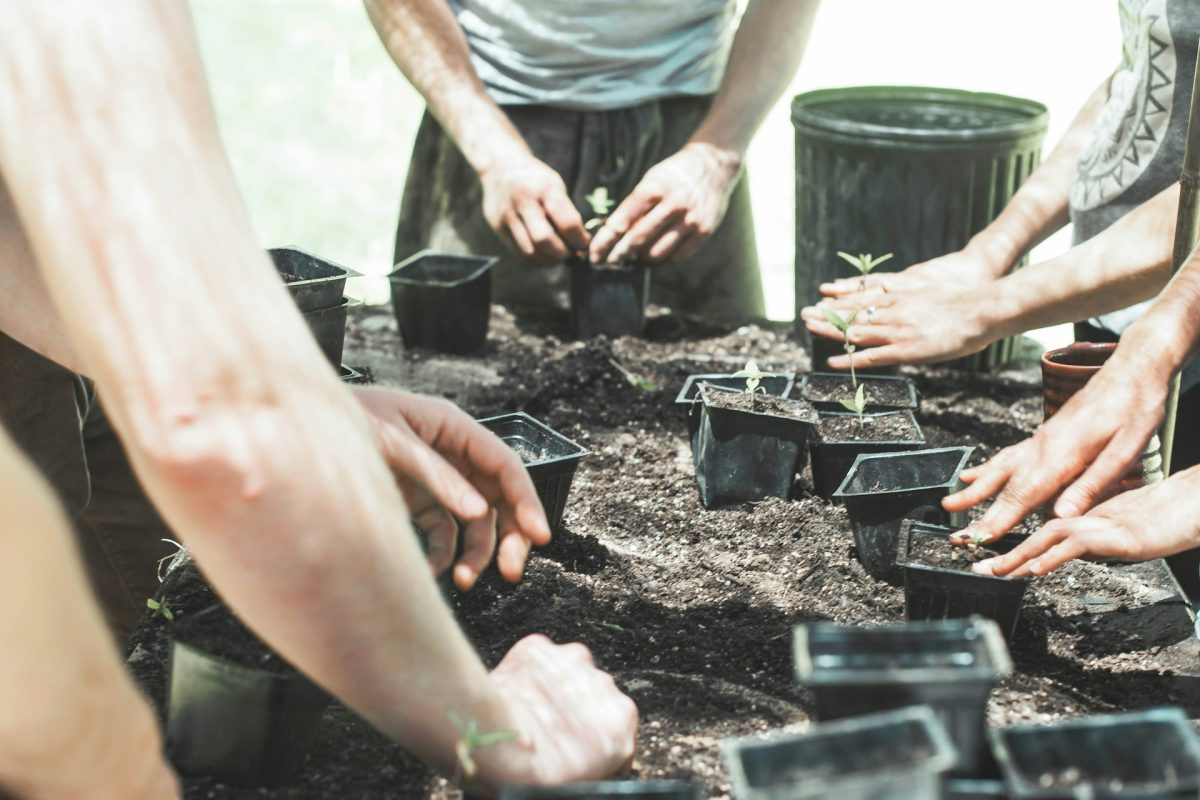
Spring excitement hits fast in the garden world. Seedlings look strong indoors, leaves stretch toward light, and everything feels ready for the big outdoor debut. Then the plants hit real-world conditions—wind, sun, temperature swings—and suddenly collapse like they never knew the garden life existed.
That dramatic flop often traces back to one overlooked step: hardening off. This transition phase turns pampered indoor seedlings into tough outdoor survivors, but many gardeners rush or skip it entirely. The result shows up quickly in wilted leaves, sunscald, stunted growth, or full transplant failure that feels both frustrating and confusing.
What Hardening Off Really Means in the Garden
Hardening off describes the gradual process of preparing indoor-grown seedlings for outdoor life. Plants grown under controlled conditions enjoy steady temperatures, no wind stress, and perfectly timed light exposure. Outdoor environments throw all of that consistency out the window in a single afternoon.
Gardeners use this process to train plants to handle stress instead of shock. Seedlings slowly build stronger cell structures, thicker stems, and better moisture regulation. Without this preparation, even healthy plants struggle to survive their first real day outside.
Think of hardening off as plant training camp rather than a simple transition. Each day outdoors adds strength and resilience in small but meaningful doses. Skipping it removes that training entirely and sends plants straight into a survival challenge they cannot handle.
Why Skipping This Step Sends Plants Into Shock
Seedlings raised indoors live in comfort zones that rarely change. Sudden exposure to direct sunlight burns tender leaves that have never developed protective layers. Wind tears at fragile stems that never learned to flex and strengthen. Temperature swings add another layer of stress that often pushes plants beyond recovery. Warm indoor air creates soft growth that collapses when cold nights arrive outside. Even a single harsh afternoon can undo weeks of careful seed starting.
Transplant shock does not always kill plants immediately, but it weakens them significantly. Weak plants attract pests, grow slowly, and produce poor harvests later in the season. Many gardeners mistake this decline for soil issues when the real problem began long before planting.
The Right Way to Acclimate Seedlings Outdoors
Successful hardening off starts with short outdoor sessions in a protected location. Gardeners often place seedlings in shaded areas for one to two hours on the first day. Gradually increasing exposure time allows plants to adjust without overwhelming stress. Wind protection matters just as much as sunlight control during this phase. Gentle breezes help strengthen stems, but strong gusts can snap young plants or dry them out too quickly. A sheltered porch or screened area works well for early exposure days.
Over the course of a week or two, plants slowly move into brighter and longer outdoor conditions. Gardeners increase sun exposure step by step until seedlings can handle full garden placement. This patient approach builds resilience that pays off throughout the entire growing season.
Warning Signs Your Plants Are Struggling After Transplanting
Leaf scorch often appears as pale, bleached, or crispy edges after sudden sun exposure. This condition signals that plants never built the protective layers needed for outdoor light intensity. Quick shading can sometimes slow further damage, but recovery depends on the severity. Wilting during cool parts of the day also signals transplant stress rather than simple dehydration. Roots struggle to keep up with water demand when they suffer shock from an abrupt environmental change. Soil moisture may appear adequate while the plant still struggles internally.
Stunted growth provides another clear warning that plants never adjusted properly. Healthy seedlings should resume growth within days of transplanting when hardening off succeeds. When growth stalls, plants often spend energy surviving instead of developing new leaves or roots.
Simple Garden Habits That Guarantee Strong Transplants
Consistency builds the strongest foundation for successful hardening off routines. Gardeners who follow a predictable schedule help plants adapt more efficiently. Random exposure patterns confuse seedlings and slow their ability to adjust. Timing outdoor sessions during mild weather reduces unnecessary stress. Overcast days offer ideal conditions because they combine gentle light with stable temperatures. Windy or extreme weather days should never serve as training sessions for delicate seedlings.
Careful observation plays a major role in refining transplant success. Gardeners who check leaf color, stem strength, and moisture levels catch problems early. Small adjustments during the hardening process prevent larger failures later in the garden season.
How Seasoned Gardeners Turn Transplanting Into a Winning Routine
Experienced gardeners treat hardening off like a non-negotiable part of the growing process. They plan transplant dates around weather patterns instead of rushing based on excitement. This discipline consistently produces stronger plants and higher yields.
Garden success often depends on patience more than tools or fertilizers. Gardeners who respect the hardening off process build resilience into their entire garden system. That simple habit transforms fragile seedlings into productive, thriving plants ready for anything the season delivers.
What surprising mistake has caused plant losses in your past gardening adventures? Let’s hear about it below in our comments.
You May Also Like…
How to Harden Off Plants Before the First Frost
5 Plants That Multiply So Fast You’ll Never Need to Buy Them Again
Tips for Transplanting Without Causing Shock
7 Grocery Items You Can Replant Once and Harvest for Months
6 Flower Varieties That Bloom Quickly After Late Spring Planting

Brandon Marcus is a staff writer for FrugalGardening.com at District Media, Inc., where he delivers practical gardening advice with a relatable, no-nonsense style. An avid amateur gardener, he holds a BA degree and with over ten years of professional writing experience, he is also an award-winning published author whose first book, Questions For Deep Thinkers, was released by Adams Media. His work has appeared in major publications including Fandom.com, CHUD.com, TheColdWire.com, and Fansided.com.
Leave a Reply