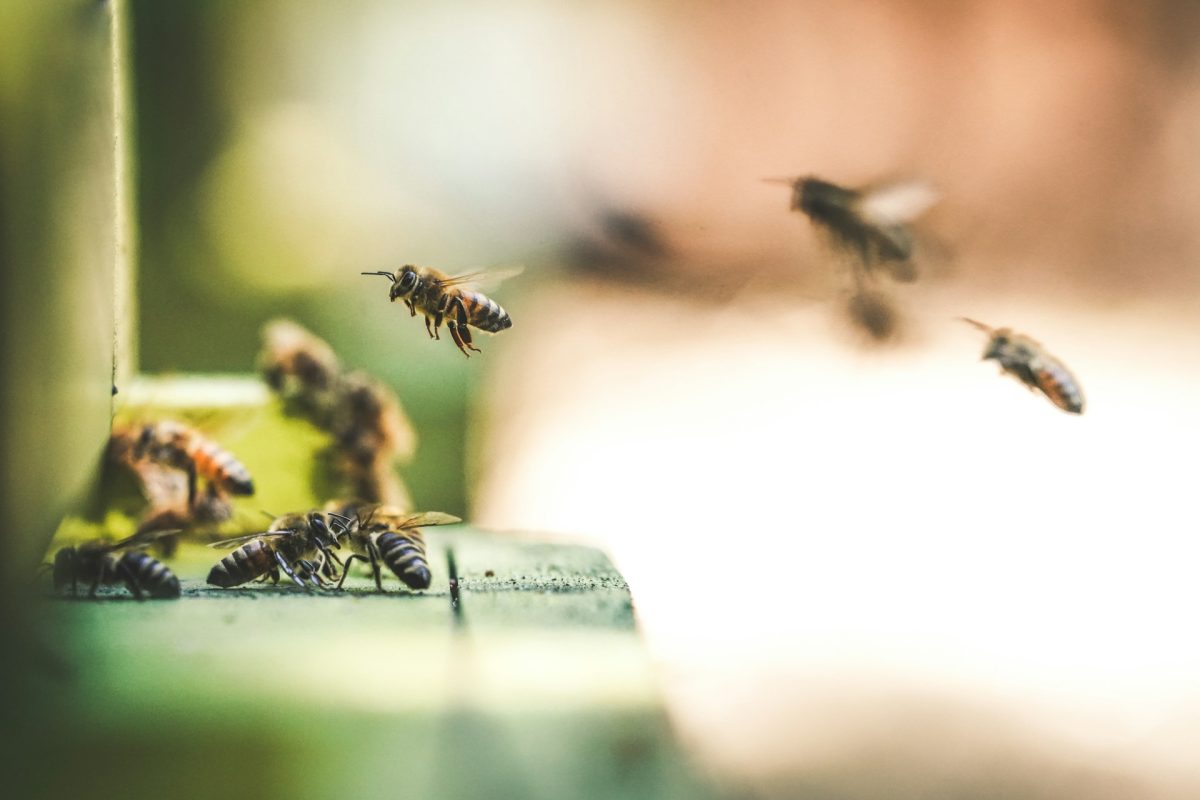
Bright wings, gentle buzzing, and a garden that practically hums with life—this isn’t a fantasy, it’s a smart planting strategy. The right mix of flowers doesn’t just look good; it transforms an ordinary yard into a thriving ecosystem that works overtime for you. Bees improve pollination, butterflies add beauty, and beneficial insects quietly tackle pests without chemicals.
Every plant choice becomes a tiny investment that pays off in healthier blooms, better harvests, and fewer garden headaches. The best part? These hardworking plants pull double duty by delivering color, texture, and serious curb appeal.
1. Lavender: Fragrance That Brings the Buzz
Lavender doesn’t just smell incredible; it acts like a magnet for pollinators that can’t resist its nectar-rich blooms. Bees flock to it in droves, especially during peak summer when food sources start to thin out. The plant thrives in sunny, well-drained soil, which makes it perfect for low-maintenance landscapes. Gardeners often notice increased vegetable yields nearby because pollinators stick around once lavender enters the scene. Plant it along borders or pathways for a sensory experience that works as hard as it smells.
Lavender also repels unwanted pests like mosquitoes and moths, which makes it a multitasking superstar in any yard. Many gardeners use it as a natural barrier near seating areas to keep bugs at bay while still welcoming beneficial insects. Dried lavender bundles double as a bonus, offering long-lasting fragrance indoors. Its drought tolerance helps reduce water bills, which adds a practical financial perk. Few plants deliver this much value in such a compact, elegant package.
2. Coneflower: Tough Beauty with Big Benefits
Coneflowers bring bold color and resilience, making them a staple in pollinator-friendly gardens. Butterflies love their wide landing pads, while bees dig into the rich pollen centers. These hardy perennials handle heat, drought, and poor soil without complaining. Gardeners often rely on them as dependable anchors that return year after year. Their long bloom time keeps insects fed from early summer through fall.
Beyond their visual appeal, coneflowers support birds as well, especially finches that feast on seed heads later in the season. Leaving the dried flowers standing adds winter interest and extends their usefulness. They also resist most pests and diseases, which cuts down on maintenance costs and effort. That reliability makes them a smart long-term investment. A few well-placed coneflowers can completely change the energy of a garden.
3. Milkweed: The Monarch Magnet
Milkweed plays a critical role in supporting monarch butterflies, acting as both a food source and a nursery. Monarchs lay eggs exclusively on milkweed, and the caterpillars rely on it to survive. This plant doesn’t just attract butterflies; it actively helps sustain their population. Gardeners who include milkweed often witness the full life cycle unfold right in their yard. That kind of interaction brings a whole new level of excitement to gardening.
Milkweed also attracts bees and other beneficial insects, which adds to its overall value. It thrives in a variety of soil conditions, though it prefers sunny spots. Some varieties spread aggressively, so smart placement keeps it from taking over. Despite that, its ecological importance outweighs the extra management. A patch of milkweed turns any garden into a conservation hotspot.
4. Black-Eyed Susan: Bright and Busy
Black-eyed Susans deliver cheerful color while quietly supporting a wide range of pollinators. Bees, butterflies, and even beetles visit these flowers regularly for nectar and pollen. Their daisy-like shape makes access easy for insects of all sizes. These plants bloom generously and hold their color well into late summer. That extended bloom time keeps your garden lively when others start to fade.
They also tolerate tough conditions, including drought and less-than-ideal soil. Gardeners appreciate how little effort they demand once established. Their ability to self-seed means more plants without extra cost. That natural spread fills gaps and creates a fuller landscape over time. It’s an easy win for both beauty and function.
5. Bee Balm: The Name Says It All
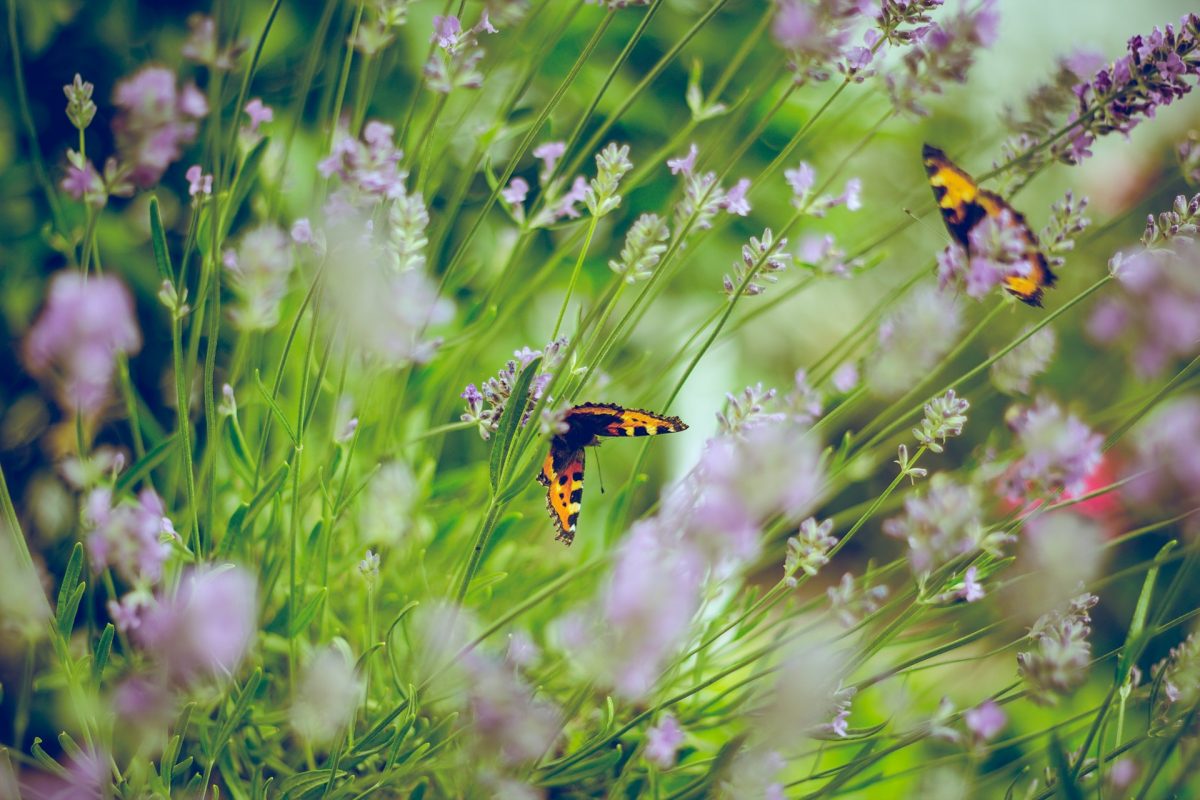
Bee balm bursts with vibrant color and irresistible nectar that draws in pollinators like a magnet. Bees, hummingbirds, and butterflies crowd around its unique, spiky blooms. This plant thrives in sunny areas with decent airflow, which helps prevent mildew. Gardeners often plant it in clusters to create a strong visual impact. The result looks wild, lively, and full of motion.
Bee balm also carries a subtle minty fragrance that adds another layer of sensory appeal. It spreads steadily, making it ideal for filling larger spaces. Regular pruning keeps it tidy and encourages more blooms. Its strong pollinator pull makes it a strategic addition near vegetable gardens. More visitors mean better pollination and bigger harvests.
6. Yarrow: The Low-Maintenance Workhorse
Yarrow earns its reputation as one of the easiest plants to grow while still delivering major benefits. Its flat-topped clusters attract a wide variety of beneficial insects, including ladybugs and parasitic wasps. These insects help control pests naturally, reducing the need for chemical sprays. Yarrow thrives in poor soil and requires very little water. That resilience makes it perfect for gardeners who want results without constant upkeep.
Its feathery foliage adds texture, while its flowers come in a range of colors from white to deep red. Many gardeners use it in borders or wildflower mixes for a natural look. It also works well as a cut flower, fresh or dried. That versatility increases its overall value in the garden. Yarrow proves that tough plants can still look beautiful.
7. Sunflowers: Towering Pollinator Favorites
Sunflowers bring height, drama, and a steady stream of pollinators to any space. Bees flock to their large centers, collecting pollen with visible enthusiasm. Butterflies also stop by, especially during peak bloom. These plants grow quickly, which makes them satisfying for gardeners who like fast results. Their bold presence instantly brightens any yard.
After blooming, sunflowers continue to give by producing seeds that birds love. This extends their usefulness well beyond the flowering stage. They also create partial shade, which can benefit nearby plants. Planting them along fences or edges maximizes their visual impact. Few plants deliver such a complete seasonal performance.
8. Marigolds: Small Flowers, Big Impact
Marigolds pack a surprising punch when it comes to attracting beneficial insects. While they may look simple, they play a key role in pest control. Their scent deters harmful insects while still inviting pollinators. Gardeners often use them as companion plants in vegetable beds. This strategy improves crop health without extra expense.
They bloom consistently and handle a variety of conditions with ease. Deadheading encourages even more flowers, keeping the display fresh. Their bright colors add instant cheer to any garden layout. Because they grow quickly from seed, they offer a budget-friendly option. Marigolds prove that even small plants can deliver big results.
9. Salvia: A Pollinator Powerhouse
Salvia produces tall spikes of flowers that attract bees, butterflies, and hummingbirds in large numbers. Its nectar-rich blooms keep pollinators coming back day after day. This plant thrives in sunny locations and tolerates drought once established. Gardeners value its long blooming season and vibrant color range. It fits beautifully into both formal and wild garden designs.
Regular trimming encourages more blooms and keeps the plant looking tidy. Salvia also resists most pests, which reduces maintenance time. Its strong structure adds vertical interest to garden beds. That combination of beauty and function makes it a standout choice. A few salvia plants can dramatically increase pollinator activity.
10. Goldenrod: The Late-Season Lifeline
Goldenrod shines when many other plants fade, providing crucial food for pollinators in late summer and fall. Bees rely on it to prepare for colder months, making it incredibly valuable. Despite common myths, goldenrod doesn’t cause allergies; ragweed usually takes the blame. This plant grows vigorously and fills space quickly. Its bright yellow blooms add a final burst of color to the season.
Goldenrod also attracts beneficial insects that help control garden pests. Its toughness allows it to thrive in less-than-perfect conditions. Gardeners often use it in naturalized areas or meadow-style plantings. Its late bloom time ensures continuous support for pollinators. That timing makes it an essential part of a well-rounded garden plan.
A Garden That Works as Hard as It Looks
A well-planned garden doesn’t just sit pretty—it actively supports life, boosts plant health, and cuts down on maintenance. Choosing the right mix of pollinator-friendly plants creates a system where nature handles much of the work. More bees lead to better pollination, while beneficial insects reduce pest problems naturally. That balance saves money on chemicals, water, and replacements over time. A vibrant, buzzing garden delivers beauty with purpose, and every plant plays a role in that success.
Which of these pollinator-friendly plants will take center stage in your garden this season? Give us your opinions below in our comments section.
You May Also Like…
Science Update: Why Fake ‘Bioluminescent’ Plants Sold Online Pose a Risk to Pollinators
The Unexpected Insect That Devours New Leaves Before You Notice Damage
March Bugs That Target Tender New Leaves
How to Spot Overwintering Insects in Mulch
5 Garden Tasks You Should Finish Before Summer Begins

Brandon Marcus is a staff writer for FrugalGardening.com at District Media, Inc., where he delivers practical gardening advice with a relatable, no-nonsense style. An avid amateur gardener, he holds a BA degree and with over ten years of professional writing experience, he is also an award-winning published author whose first book, Questions For Deep Thinkers, was released by Adams Media. His work has appeared in major publications including Fandom.com, CHUD.com, TheColdWire.com, and Fansided.com.
Leave a Reply