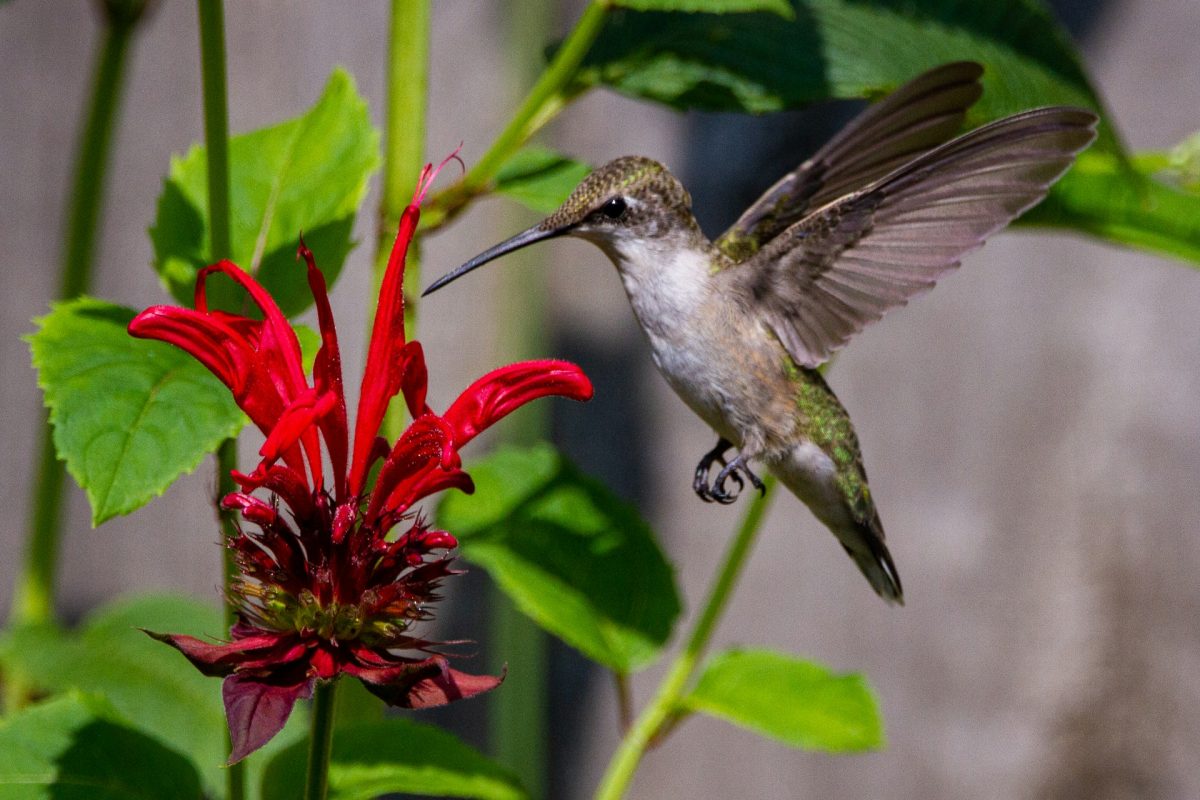
A backyard can transform into a living, buzzing stage when hummingbirds arrive. These tiny aerial acrobats chase bright, nectar-filled blooms with incredible energy and precision. The right plants turn an ordinary garden into a nonstop feeding station that feels almost magical in motion. Color, shape, and nectar production all work together to pull these birds in like magnets. Gardeners across the country rely on specific flowering plants to keep hummingbirds returning from spring through fall.
Success comes from more than just pretty flowers; it comes from understanding what hummingbirds actually crave. Tubular blooms, rich nectar, and consistent flowering cycles make the biggest difference. A thoughtful plant selection can reduce reliance on feeders and create a more natural habitat. These plants also support bees and butterflies, making the entire garden ecosystem stronger.
1. Bee Balm Brings a Bold Burst of Nectar
Bee balm stands out with its firework-like blooms that hummingbirds notice instantly. The plant produces tubular flowers packed with nectar that birds can easily access with their long bills. Its bright reds, pinks, and purples create a visual beacon across any garden bed. Bee balm also thrives in sunny locations, which keeps flowering strong through peak hummingbird season. Gardeners often plant it in clusters to create a stronger feeding signal.
This plant also offers a long blooming window that stretches through summer. Hummingbirds return often because new blossoms continue forming as old ones fade. Bee balm resists deer and spreads naturally, making it a low-maintenance favorite. It also attracts butterflies, which adds even more movement to the garden. A well-placed patch can quickly become a hummingbird’s preferred feeding zone.
2. Salvia Delivers Nonstop Color and Nectar Flow
Salvia produces tall spikes of tubular flowers that hummingbirds find irresistible. The blooms hold steady nectar supplies, which helps fuel the birds’ rapid metabolism. Many varieties come in vivid reds, purples, and blues that stand out from a distance. Salvia thrives in heat and dry conditions, making it ideal for many American climates. Gardeners appreciate its durability and long-lasting bloom cycles.
Hummingbirds often return to salvia plants multiple times a day. The plant’s structure makes feeding efficient, which encourages frequent visits. Pruning spent blooms helps extend flowering and keeps nectar flowing. Salvia also pairs well with other pollinator plants for a layered garden design. A mix of varieties ensures continuous blooms from spring into fall.
3. Trumpet Vine Creates a Dramatic Nectar Highway
Trumpet vine produces large, trumpet-shaped flowers that practically advertise themselves to hummingbirds. The deep orange and red blooms hold abundant nectar deep inside their tubes. Vines can climb fences, trellises, and walls, creating vertical feeding zones. Once established, the plant spreads aggressively and fills spaces quickly. Gardeners often use it to create bold, eye-catching focal points.
Hummingbirds treat trumpet vine like a high-energy fuel station. The structure of the flowers matches their feeding anatomy perfectly. Regular pruning helps control growth and encourages more blooms. This plant thrives in full sun and poor soil, making it surprisingly adaptable. A mature vine can support multiple hummingbirds feeding at once.
4. Cardinal Flower Offers Striking Red Appeal
Cardinal flower produces brilliant red spikes that immediately catch hummingbird attention. The tubular blossoms provide deep nectar reserves that support frequent visits. This plant thrives in moist soil and partially shaded areas, unlike many other nectar plants. Its late summer bloom period fills a critical gap when other flowers begin fading. Gardeners value its ability to brighten shaded corners.
Hummingbirds often show strong loyalty to cardinal flower patches. The intense red color acts like a visual signal across the garden. It grows best near water features or damp soil zones. Proper moisture levels help extend blooming and improve flower quality. This plant adds both beauty and essential nectar during peak migration periods.
5. Petunias Offer Easy, Reliable Nectar Sources
Petunias produce trumpet-shaped blooms that hummingbirds can easily access. Modern varieties often bloom continuously with minimal care. Bright colors like red, pink, and purple attract birds from a distance. Hanging baskets and containers make petunias especially useful for small spaces. Their adaptability allows gardeners to place them almost anywhere.
Hummingbirds frequently visit petunias for quick energy boosts. The flowers replenish nectar quickly after feeding. Regular deadheading keeps blooms coming throughout the season. Petunias also pair well with other nectar plants for layered feeding stations. Their reliability makes them a beginner-friendly option for attracting wildlife.

6. Fuchsia Creates Hanging Nectar Jewels
Fuchsia produces dangling, pendant-shaped flowers that hummingbirds love to probe. The blossoms often feature bright pinks, purples, and reds that stand out in shade. This plant thrives in cooler, partially shaded environments. Hanging baskets make it especially attractive and accessible for hovering birds. Its unique shape adds visual drama to any garden setup.
Hummingbirds often hover directly under fuchsia blooms while feeding. The nectar-rich flowers support repeated visits throughout the day. Consistent watering keeps the plant healthy and blooming. Fuchsia works well on patios, porches, and shaded garden corners. Its cascading flowers create natural feeding stations at eye level.
7. Lantana Produces Clusters of High-Energy Nectar
Lantana forms dense clusters of small tubular flowers packed with nectar. The plant changes colors as it matures, creating a multi-toned display. Hummingbirds enjoy the steady nectar supply throughout hot weather. Lantana thrives in full sun and tolerates drought conditions well. Its long blooming season keeps gardens active for months.
Birds often return repeatedly to lantana clusters due to consistent nectar availability. The plant spreads easily in warm climates and fills garden gaps quickly. Deadheading encourages more blooms and extends feeding opportunities. Lantana also attracts butterflies, increasing garden activity. Its resilience makes it a powerhouse for pollinator gardens.
8. Columbine Adds Early-Season Nectar Support
Columbine produces delicate, spurred flowers that hummingbirds access with precision. The blooms appear early in the season, filling an important nectar gap. Their unique shape supports specialized feeding behavior. Columbine thrives in partial shade and cooler conditions. Gardeners appreciate its ability to naturalize over time.
Hummingbirds rely on columbine during early migration periods. The plant’s nectar helps fuel long flights and territorial activity. Seed self-sowing helps maintain yearly blooms without much effort. Color variety ranges from soft pastels to bold reds. Columbine strengthens the garden’s early-season pollinator support system.
A Garden That Keeps Wings Buzzing All Season Long
A hummingbird-friendly garden thrives on diversity, timing, and color. These eight nectar-rich plants create a continuous buffet from early spring through fall. Strategic placement ensures constant movement and repeated visits throughout the day. Each plant plays a unique role in supporting feeding patterns and migration needs. A well-planned mix transforms any yard into a reliable wildlife haven that stays alive with motion and color.
Which of these hummingbird favorites would fit best into a backyard space this season? Give us your opinion below in our comments!
You May Also Like…
How to Stop Birds From Digging Up Seeds
These Birdseed Additives Are Spreading Salmonella — Wildlife Officials Sound the Alarm
How to Keep Raccoons Away Without Fencing
Ways To Have Sustainable Meat Without Slaughtering Animals
5 Proven Ways to Keep Rabbits Out of Your Garden Without Building Fences

Brandon Marcus is a staff writer for FrugalGardening.com at District Media, Inc., where he delivers practical gardening advice with a relatable, no-nonsense style. An avid amateur gardener, he holds a BA degree and with over ten years of professional writing experience, he is also an award-winning published author whose first book, Questions For Deep Thinkers, was released by Adams Media. His work has appeared in major publications including Fandom.com, CHUD.com, TheColdWire.com, and Fansided.com.
Leave a Reply