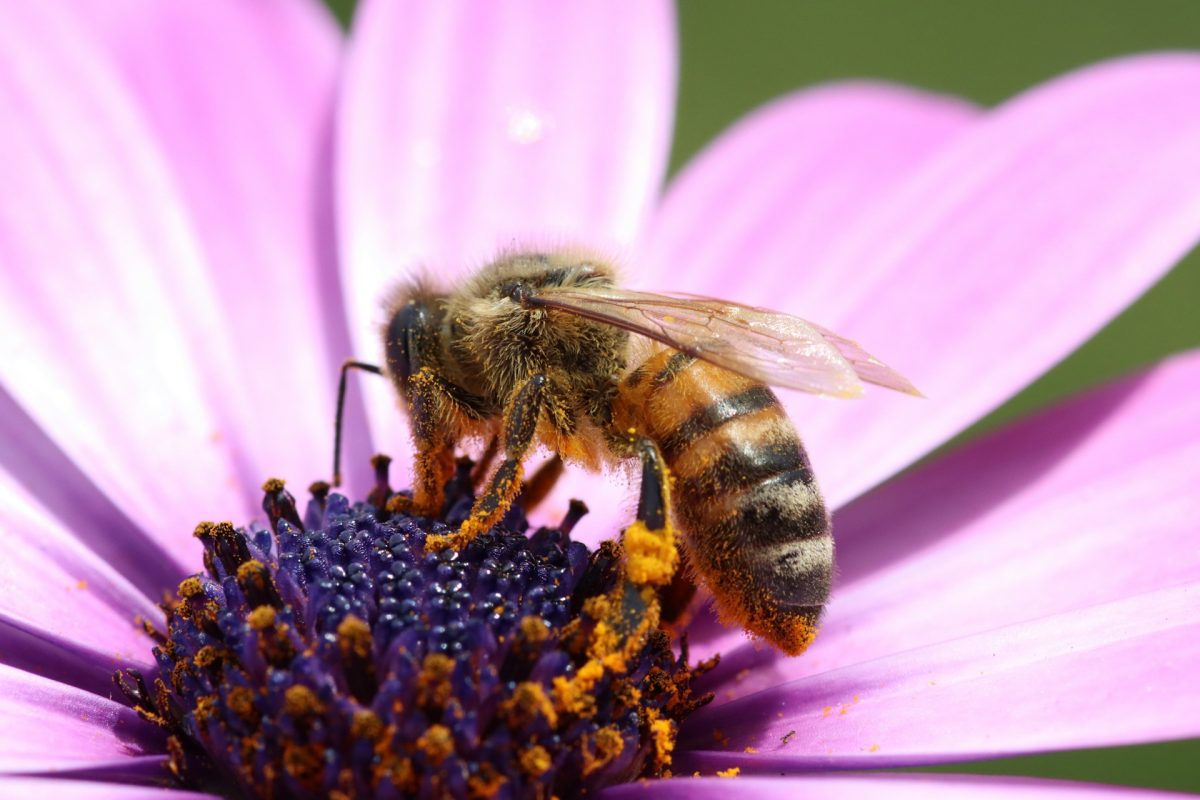
A garden can transform from quiet and still into a buzzing, fluttering ecosystem with just a few intentional changes. Bees zigzag through blossoms, butterflies drift like living confetti, and hummingbirds zip in like tiny helicopters on a mission. The secret does not lie in expensive landscaping or complicated designs, but in thoughtful additions that invite wildlife to visit again and again.
Each choice in the garden sends a message to pollinators, either rolling out a welcome mat or shutting the door. The following additions turn any outdoor space into a living, breathing pollinator hotspot packed with color, movement, and energy.
1. Nectar-Rich Native Flowers Bring the First Wave of Visitors
Native flowers act like a familiar restaurant menu for local pollinators, offering exactly what they already know and love. Plants such as coneflowers, black-eyed Susans, and wild bergamot thrive without fuss and deliver rich nectar rewards. Bees recognize these blooms quickly and begin working them almost immediately after planting. Butterflies also rely on these plants for both food and safe landing spots during their busy travel routes.
A garden filled with native flowers reduces the need for constant maintenance while increasing wildlife traffic. These plants evolved alongside local insects, so they sync perfectly with seasonal cycles. Strong root systems also help native plants survive droughts and unpredictable weather, which keeps nectar flowing longer. Over time, these flowers build the foundation for a garden that never feels empty or lifeless.
2. Continuous Bloom Succession Keeps the Buffet Open
A pollinator garden thrives when something always blooms from early spring through late fall. Succession planting ensures that bees and butterflies never face a “closed kitchen” moment. Early bloomers like crocus and snowdrops wake up pollinators after winter, while summer flowers keep energy levels high. Late-season plants like asters and goldenrod fuel migrating butterflies preparing for long journeys.
Strategic timing matters just as much as plant selection when building a living food calendar. Gardeners who stagger bloom times create a reliable rhythm that keeps insects returning daily. Pollinators quickly learn where food stays available and adjust their flight paths accordingly. A continuous bloom system turns a garden into a dependable highway stop for wildlife traffic.
3. Milkweed and Monarch Support Plants Fuel Butterfly Highways
Milkweed plays a starring role in supporting monarch butterflies by serving as both food and nursery. Caterpillars rely exclusively on milkweed leaves, making this plant essential for survival. Monarchs seek out these plants instinctively, laying eggs where future generations can thrive. Without milkweed, entire migration cycles begin to collapse.
Adding different milkweed varieties increases the chances of supporting diverse butterfly populations. Swamp milkweed and common milkweed both thrive in different soil conditions, making them flexible options. Bright orange and pink blooms also attract other pollinators, expanding garden activity beyond monarchs alone. A garden with milkweed becomes a critical checkpoint in a much larger ecological journey.
4. Herb Blossoms Turn Kitchens Into Pollinator Cafés
Herbs like basil, thyme, oregano, and lavender produce small but powerful flowers that pollinators adore. When herbs bloom, bees flock to them in impressive numbers due to their rich nectar content. Leaving herbs to flower instead of trimming them too early creates a buzzing spectacle right at ground level. Even the strongest culinary herbs double as wildlife magnets once they reach bloom stage.
Herb gardens also offer a practical bonus since they serve both people and pollinators at the same time. Lavender fields especially attract honeybees, which improves overall pollination across nearby plants. The strong scents also help guide insects directly to the food source. A simple herb patch easily transforms into one of the most active zones in the entire garden.
5. Water Stations and Mud Puddles Create Essential Pit Stops
Pollinators need more than nectar, and water stations provide critical hydration during hot weather. A shallow dish filled with pebbles allows bees to land safely while drinking. Butterflies often gather at damp soil patches to absorb minerals through a behavior called puddling. Without these resources, pollinator activity drops quickly during dry spells.
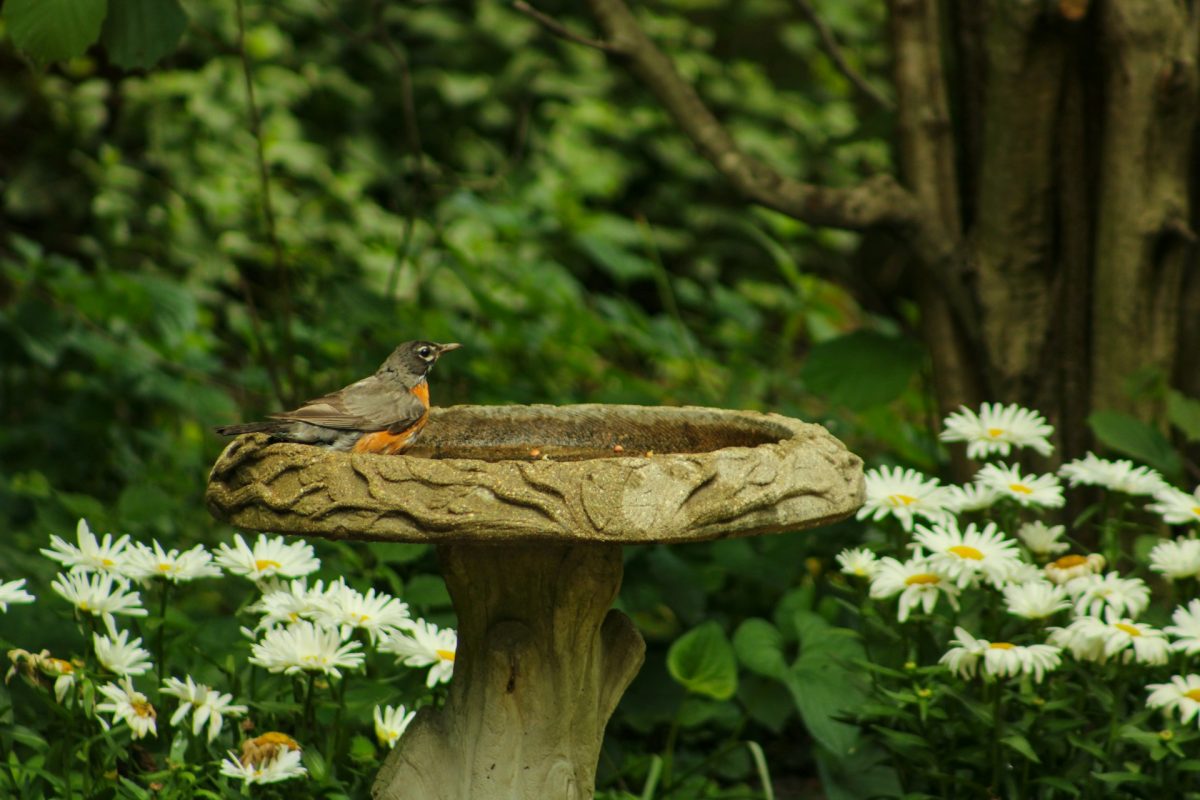
Adding a simple water feature dramatically increases garden visitation rates within days. Birdbaths, drip systems, or even shallow trays all work when placed strategically near flowering plants. Clean water sources also prevent insects from traveling long distances just to survive. A garden that offers hydration becomes a full-service rest stop for exhausted pollinators.
6. Bee Hotels and Habitat Structures Invite Nesting Activity
Bee hotels provide essential nesting spaces for solitary bees that do not live in hives. These structures use hollow stems, drilled wood, or bundled reeds to create safe egg-laying chambers. Mason bees and leafcutter bees quickly adopt these spaces when placed in sunny, sheltered locations. Nesting opportunities dramatically increase local bee populations within a single season.
Habitat structures also reduce competition for natural nesting sites in urban or suburban areas. Many gardeners overlook the importance of shelter, focusing only on flowers. However, pollinators need both food and safe reproduction zones to thrive long term. A well-placed bee hotel turns a passive garden into an active breeding ground.
7. Pesticide-Free Practices Protect the Entire Pollinator Network
Chemical pesticides disrupt pollinator behavior and often eliminate beneficial insects along with pests. Even small pesticide applications can affect bee navigation and butterfly reproduction. Natural pest control methods like companion planting and beneficial insects help maintain balance without harm. Healthy ecosystems rely on cooperation rather than chemical shortcuts.
Switching to organic solutions strengthens the entire garden ecosystem over time. Ladybugs, lacewings, and birds naturally manage pest populations when chemicals do not interfere. Pollinators return more frequently when they recognize a safe environment. A pesticide-free garden sends a clear signal: this space welcomes life in all its forms.
8. The Bloom Buffet Garden Strategy That Ties Everything Together
A thriving pollinator garden works best when every addition functions like part of a coordinated buffet. Native flowers, herbs, milkweed, water sources, and nesting spaces all play interconnected roles. Each element reinforces the others, creating a self-sustaining cycle of attraction and return visits. Pollinators quickly learn the layout and treat the garden like a dependable food and shelter hub.
Consistency matters more than size when building this type of ecosystem. Even small yards can support massive pollinator activity when designed with intention. Every plant and structure contributes to a larger ecological rhythm that benefits wildlife and soil health. A fully integrated garden becomes a living system that never stands still.
The Buzzing Payoff of a Pollinator-Rich Garden
Every pollinator-friendly addition works together to build a stronger, more active garden ecosystem. Native plants, water sources, and shelter spaces each play a distinct role in attracting and sustaining life. When combined, they create a continuous cycle of movement, feeding, and growth. Gardens become not just decorative spaces but essential ecological support zones. That transformation rewards gardeners with healthier plants, higher yields, and nonstop natural entertainment.
What addition would make the biggest difference in your home garden’s pollinator activity? Feel free to continue this conversation below in our comments.
You May Also Like…
Science Update: Why Fake ‘Bioluminescent’ Plants Sold Online Pose a Risk to Pollinators
How to Boost Pollinators Without Adding Flowers
The Unexpected Insect That Devours New Leaves Before You Notice Damage
9 Plants That Attract Beneficial Insects Even in Cold Weather
Rid Your Garden of These 7 Insects With These Hacks

Brandon Marcus is a staff writer for FrugalGardening.com at District Media, Inc., where he delivers practical gardening advice with a relatable, no-nonsense style. An avid amateur gardener, he holds a BA degree and with over ten years of professional writing experience, he is also an award-winning published author whose first book, Questions For Deep Thinkers, was released by Adams Media. His work has appeared in major publications including Fandom.com, CHUD.com, TheColdWire.com, and Fansided.com.
Leave a Reply