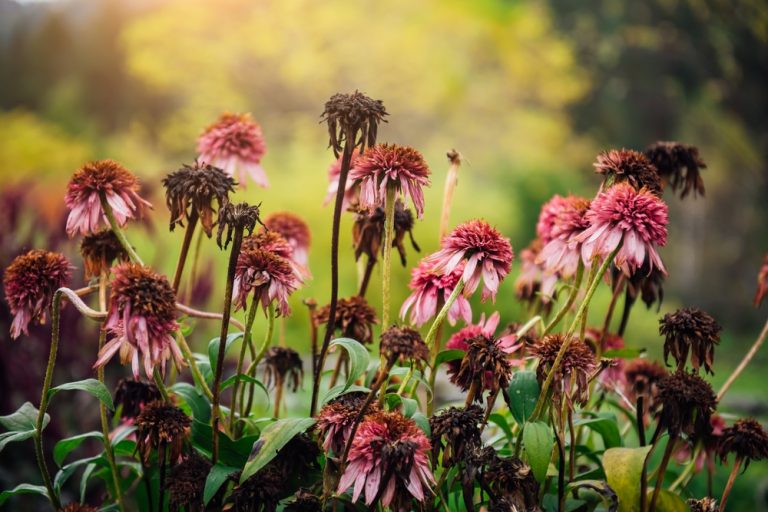
That “dead” garden plant may look like it has officially clocked out for the season, but resist the urge to grab the pruners just yet. Many perennial stems and seed heads can serve a useful purpose through winter, giving wildlife shelter, feeding birds, protecting the plant itself, and making spring cleanup more productive. A garden…
native plants
Understanding Native Plants That May Lower Watering Needs Over Time
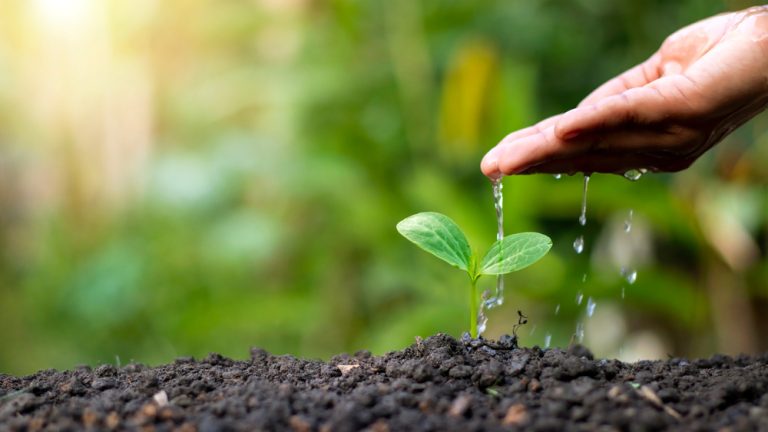
Native plants can make a noticeable difference in how much attention a landscape needs, especially once their roots settle into the soil. The trick lies in choosing species that naturally fit the local climate, soil, moisture patterns, and growing conditions rather than assuming every native plant behaves like a drought specialist. That distinction matters. A…
Can Your HOA Force You to Grow Grass? One Maryland Couple Is Fighting That Battle

Can an HOA really tell a homeowner to rip out a garden and put grass back? In Maryland, the answer gets surprisingly interesting, especially after Janet and Jeff Crouch fought their HOA over a yard filled with native plants, flowers, trees, and habitat instead of a conventional carpet of turf. Their dispute helped spark a…
7 Plants That Offer Seeds Birds Can Eat Through Fall
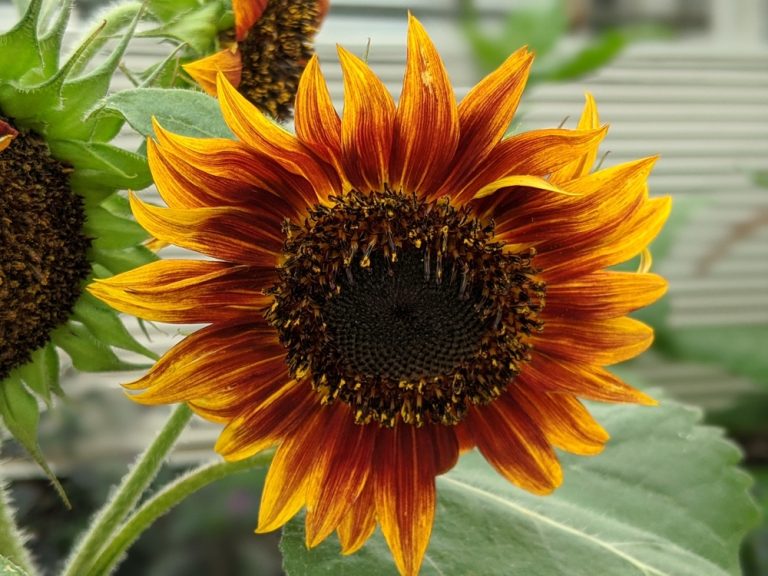
A garden can keep feeding birds long after the last bee disappears from the flowers, and the trick often involves doing absolutely nothing. Instead of cutting every faded bloom to the ground, gardeners can leave mature seedheads standing so finches, sparrows, chickadees, and other seed-eating birds can pick through them as fall progresses. Cornell Lab…
Are Ornamental Grasses Becoming the Backbone of Climate-Ready Gardens?
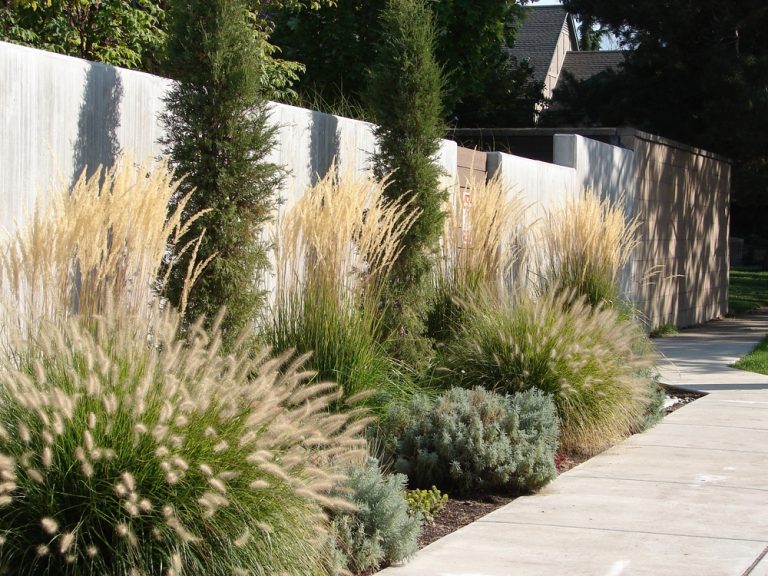
Are ornamental grasses becoming the backbone of climate-ready gardens? In many landscapes, the answer looks increasingly like a graceful clump of grass waving in the breeze while everything around it complains about heat, dry soil, or a sudden deluge. Tough ornamental grasses can handle a remarkable range of conditions, offer structure long after summer flowers…
Are Keystone Plants More Valuable Than a Long Pollinator List?
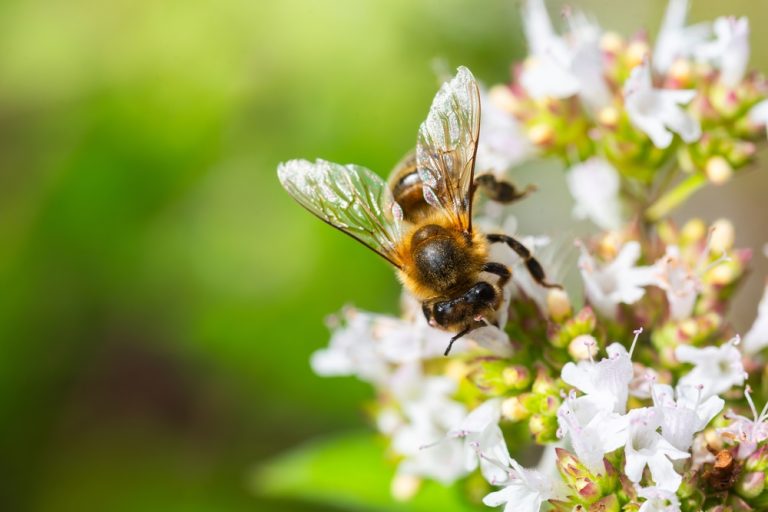
A garden packed with pollinator plants can look like a colorful buffet, but a shorter list featuring the right keystone plants may deliver a much bigger ecological impact. Choosing plants that support entire food webs helps gardeners create spaces where butterflies, bees, birds, and other wildlife find more than just a quick snack. Many gardening…
Can a Mini Bog Garden Work in a Small Backyard?
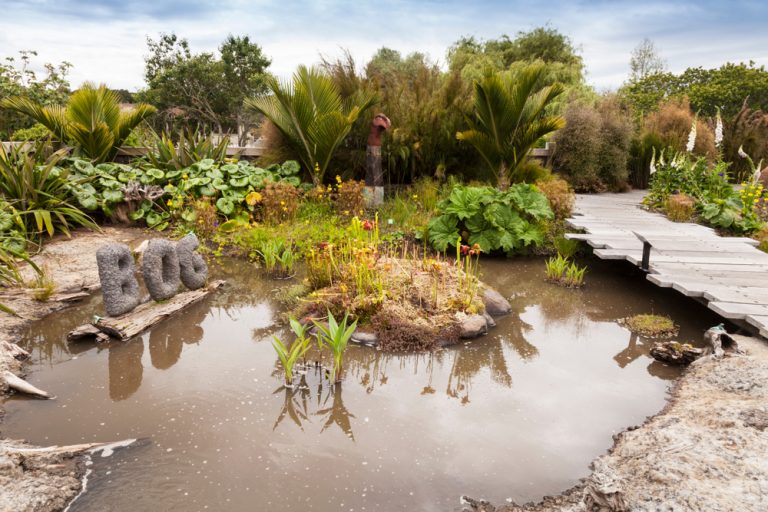
A mini bog garden can work beautifully in a small backyard, and it does not require a pond, a sprawling property, or a landscape crew arriving with a small excavator. A watertight container, the right growing medium, consistent moisture, and a handful of plants that enjoy soggy conditions can create a fascinating little wetland in…
Attract Hummingbirds and Butterflies with Native Flowering Trees and Shrubs—A Pollinator Garden Guide
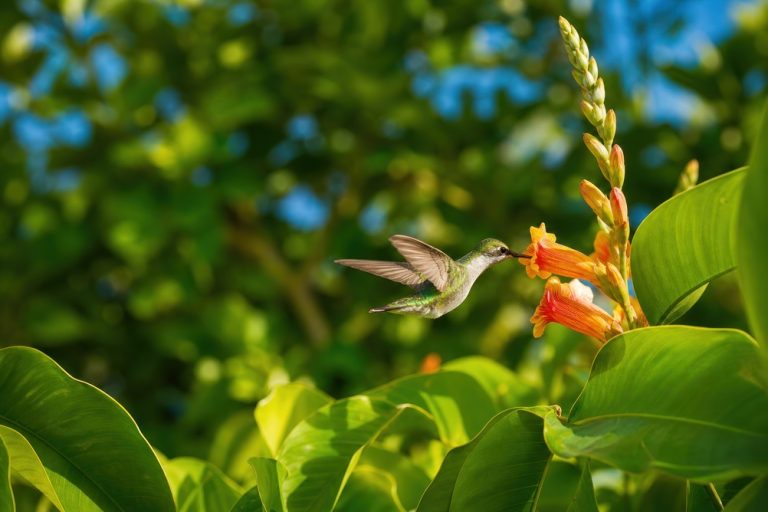
A garden filled with fluttering butterflies and darting hummingbirds never feels ordinary. Native flowering trees and shrubs turn even a simple backyard into a lively destination packed with color, movement, and the gentle buzz of pollinators hard at work. The best part? These plants already belong in the local landscape, so they fit naturally into…
Local Weed Laws Are Changing: Know Which Lawn Alternatives Are Permitted Before You Plant
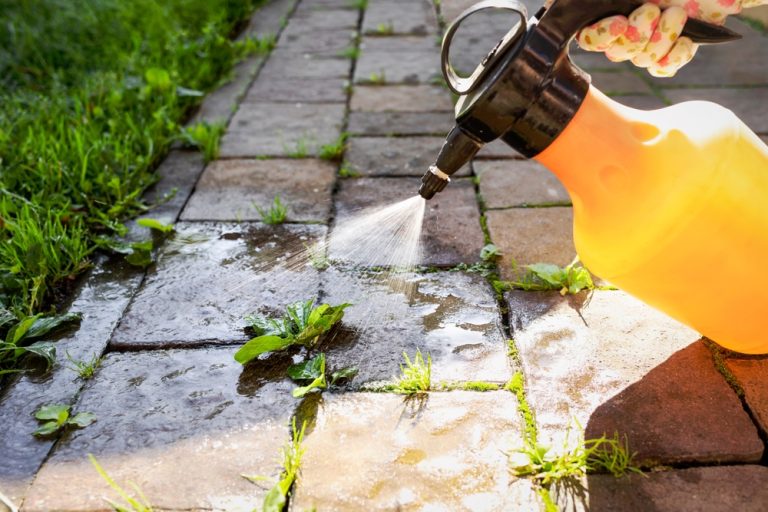
Across many communities, the rules around what counts as a “weed” are quietly shifting, and that change is reshaping front yards one patch of soil at a time. What once triggered a warning from a city inspector or a frustrated letter from a neighborhood association now gets reexamined through an environmental lens that values water…
8 Pollinator-Friendly Plants That Bloom for Months
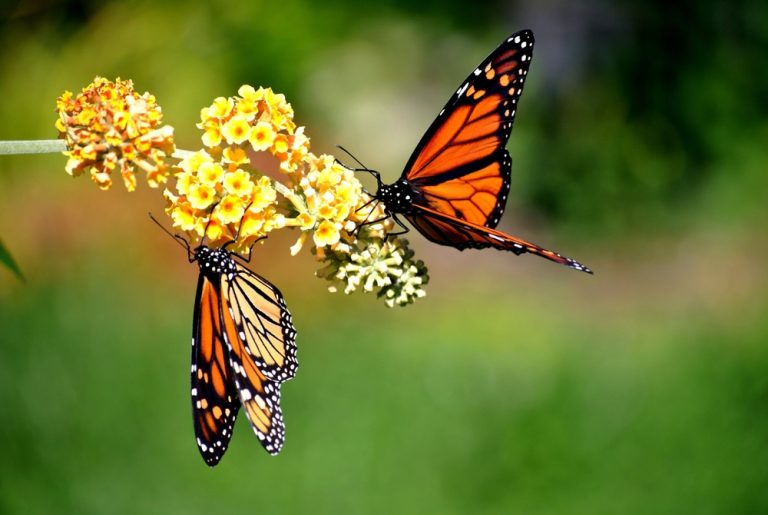
Pollinators never stick around for long if the buffet closes after a couple of weeks. The best gardens keep flowers blooming from late spring well into fall, giving bees, butterflies, hummingbirds, and other helpful visitors a reliable source of nectar and pollen. Better yet, a garden packed with long-blooming plants looks lively for months instead…