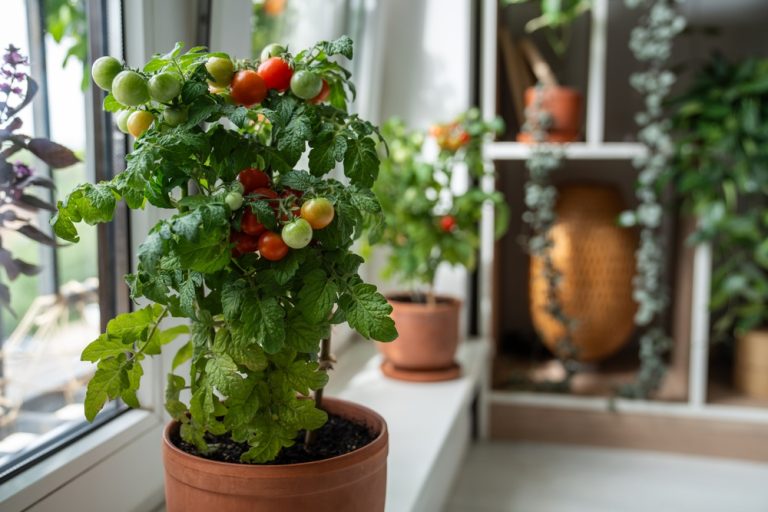
The first frost is approaching, but your tomato plants are still covered with green fruit. After spending months watering, pruning, and protecting those plants, throwing away the final harvest feels like a terrible waste. Fortunately, you don’t have to sacrifice every unripe tomato when temperatures start dropping. Learning how to ripen green tomatoes indoors can…
garden tips
The Right Way to Freeze Fresh Herbs for Winter Cooking
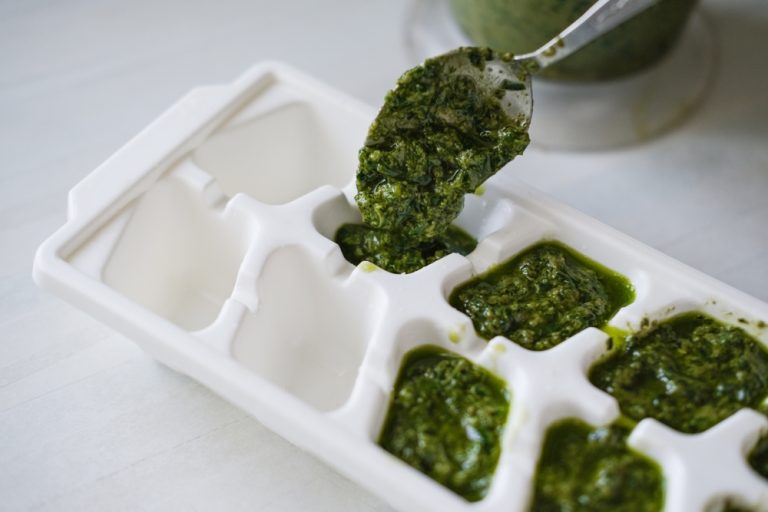
Your basil is still producing beautiful green leaves, the parsley is overflowing its container, and the chives are growing faster than you can use them. Unfortunately, freezing temperatures are approaching, and those fresh herbs won’t last forever. Before you let the final harvest go to waste, there’s a simple way to preserve much of that…
How to Compost Spent Vegetable Plants Safely
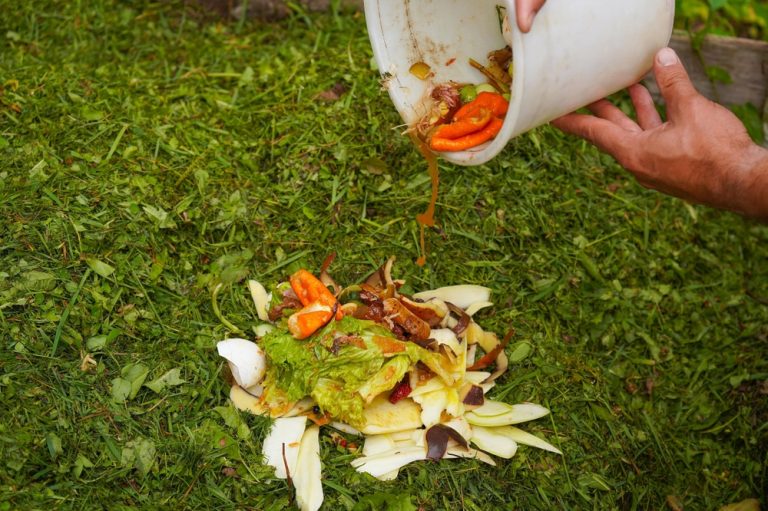
Your tomatoes have stopped producing, the cucumber vines are turning brown, and the zucchini plants hav finally given up for the season. Before you start pulling everything out of the garden, there’s one important question worth asking: Should all those old vegetable plants go into your compost pile? Composting is one of the easiest ways…
How to Dry Garden Herbs Before the Season Ends
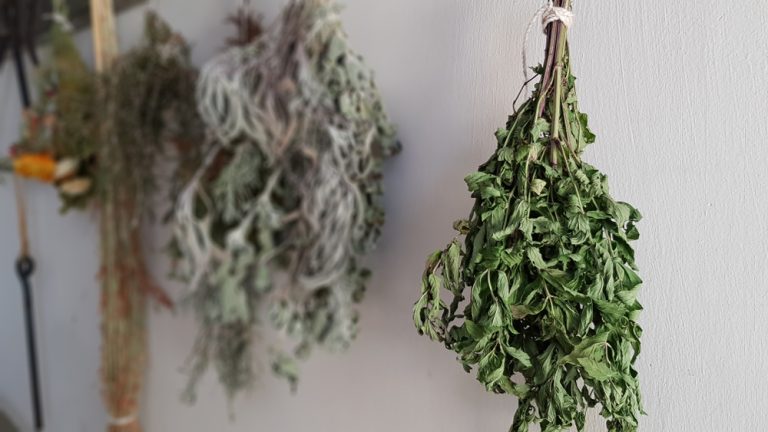
Your herb garden has been producing all summer, but the growing season is coming to an end. The oregano is overflowing its container, your thyme needs trimming, and the rosemary has more fragrant stems than you could possibly use before winter. Rather than letting those herbs go to waste, you can preserve much of your…
Why Parsley Can Keep Producing in Cooler Weather
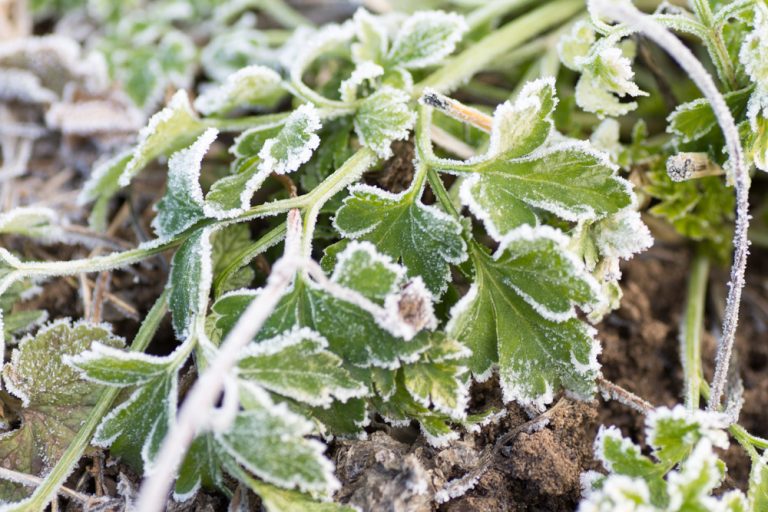
Your basil has started looking tired, the tomatoes are slowing down, and the first chilly nights have arrived. But one herb in your garden might still be producing fresh green leaves while everything else prepares for winter. Parsley is surprisingly resilient when temperatures drop, making it one of the most useful herbs to keep growing…
How to Harvest Basil Before Cold Nights Ruin the Leaves
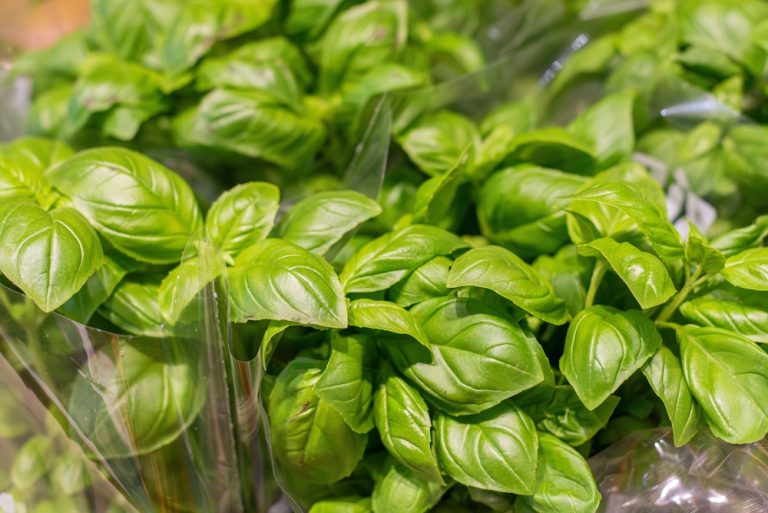
Your basil plants have been producing fragrant green leaves all summer, but the weather forecast suddenly shows nighttime temperatures dropping into the 40s. You might assume there’s still plenty of time to harvest because freezing temperatures aren’t expected yet. Unfortunately, basil is one of those garden favorites that can suffer cold damage before an actual…
The Best Herbs to Pot Up Before Freezing Temperatures
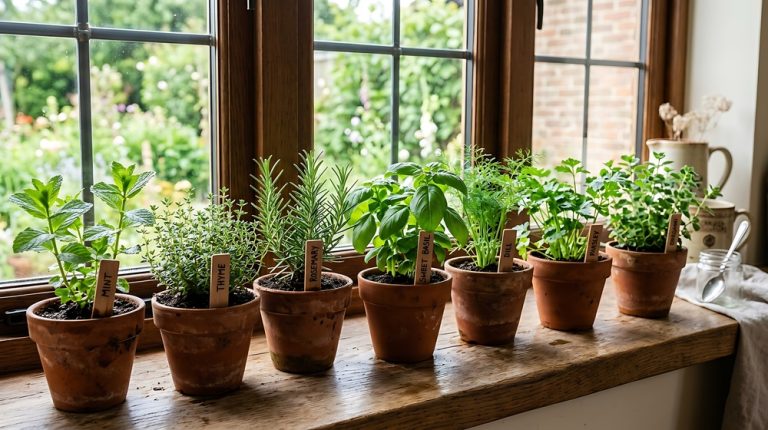
Your herb garden may still look beautiful in October, but one cold night could change everything. Basil leaves can turn black after exposure to frost, while rosemary, parsley, and other herbs may struggle when temperatures drop below their preferred growing conditions. If you’ve spent months growing fresh ingredients for your kitchen, letting them go to…
How to Use Frost Cloth Without Crushing Tender Plants
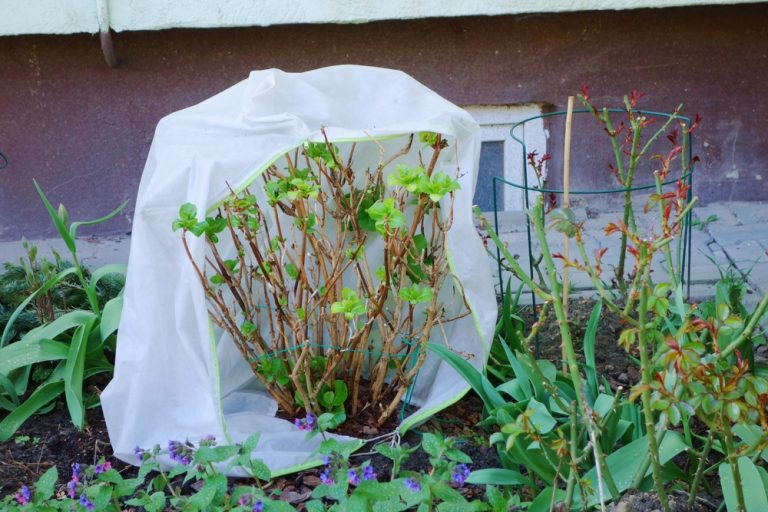
You check the weather forecast and see something no fall gardener wants to see: temperatures dropping below freezing overnight. Your lettuce, spinach, and other cool-season vegetables are still growing, so you grab a frost blanket and cover everything before bedtime. By morning, however, some of your plants are flattened, their leaves bent beneath the weight…
The Best Row Covers for Protecting Cool-Season Vegetables
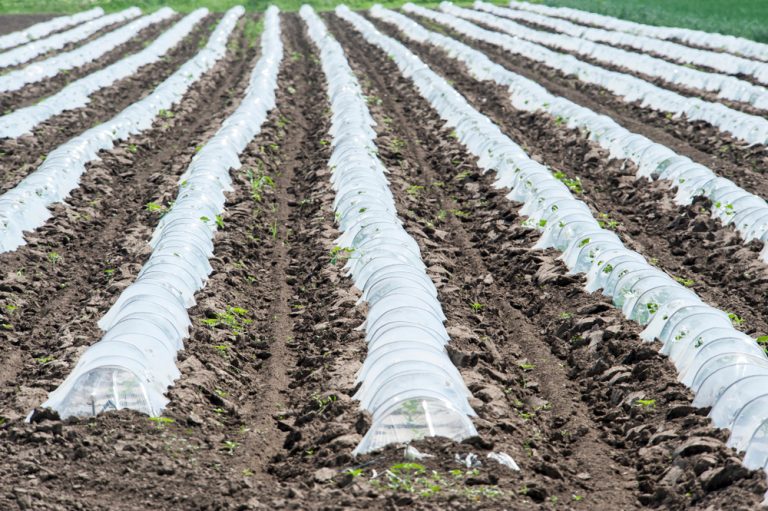
You’ve spent weeks growing lettuce, kale, spinach, and carrots, only to discover that an unexpected cold snap is heading your way. The thought of losing those vegetables just before harvest is frustrating, especially when you’ve already invested money in seeds, soil, and garden supplies. Fortunately, one relatively inexpensive gardening tool can help protect your crops…
How to Thin Fall Seedlings Without Damaging Nearby Plants
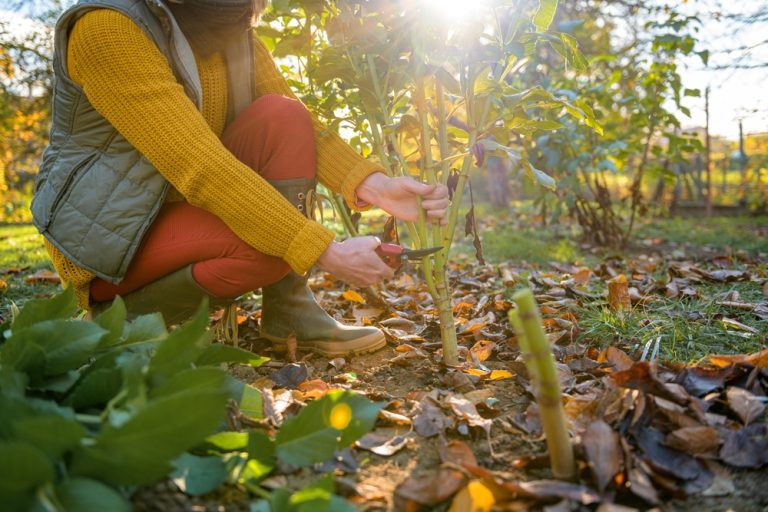
You’ve planted your fall vegetable seeds, kept the soil moist, and finally watched tiny green shoots emerge from the ground. There’s just one problem: dozens of seedlings are growing practically on top of each other. Removing perfectly healthy little plants might seem wasteful, especially when you’ve spent time and money getting them started. However, leaving…