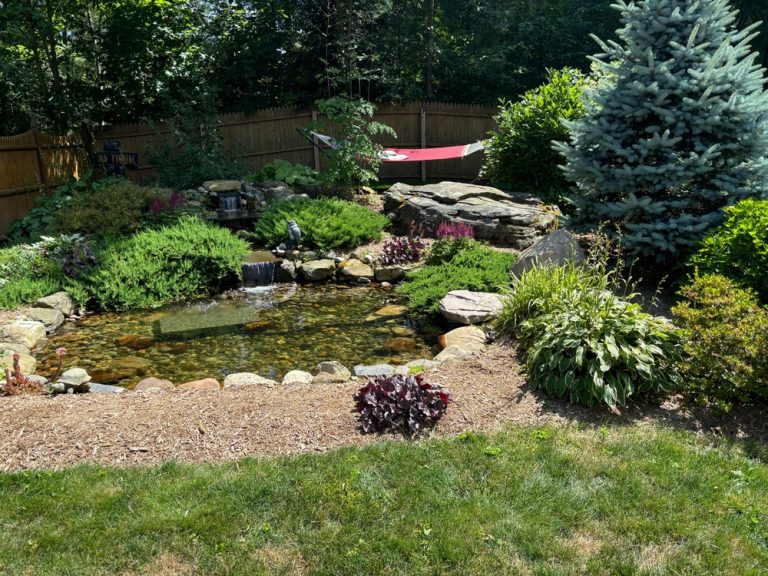
Small wildlife ponds have quietly become one of the most rewarding additions to modern gardens. They do far more than add a pretty reflection to the landscape. Even a pond no larger than a child’s sandbox can invite frogs, dragonflies, birds, and countless beneficial creatures into the yard while creating a peaceful focal point that…
backyard habitat
10 Selections That Attract Bees, Butterflies, and Beneficial Insects
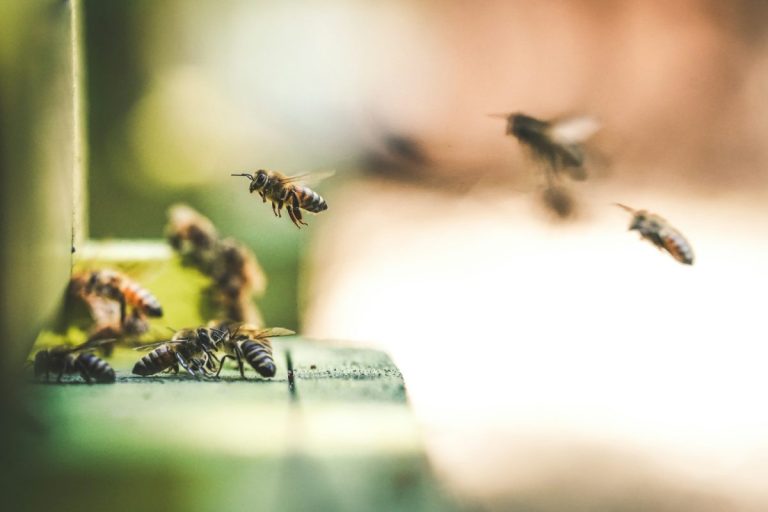
Bright wings, gentle buzzing, and a garden that practically hums with life—this isn’t a fantasy, it’s a smart planting strategy. The right mix of flowers doesn’t just look good; it transforms an ordinary yard into a thriving ecosystem that works overtime for you. Bees improve pollination, butterflies add beauty, and beneficial insects quietly tackle pests…
How to Boost Pollinators Without Adding Flowers
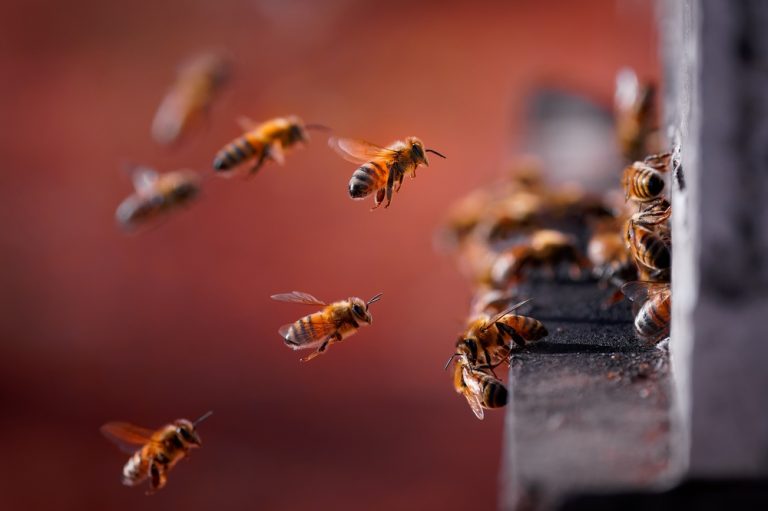
The buzz around pollinators keeps getting louder, and for good reason. Bees, butterflies, beetles, and even bats hold entire ecosystems together, yet their numbers keep dropping at a worrying pace. Everyone hears the same advice: plant more flowers. That sounds great until space runs out, budgets tighten, or climates refuse to cooperate. A yard, balcony,…
Affordable Ways to Create Pollinator Habitats That Attract Bees and Butterflies
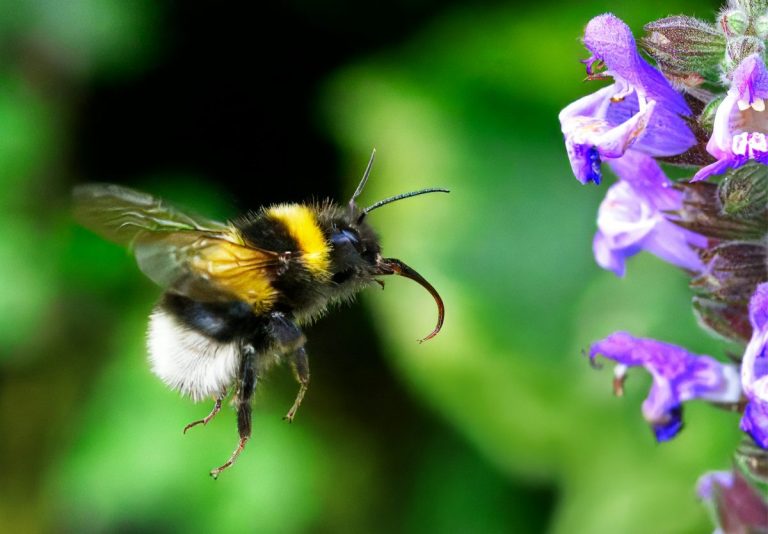
A yard without pollinators feels like a party with no music. No hum, no flutter, no life dancing between petals. Bees and butterflies don’t just decorate outdoor spaces; they power entire ecosystems, carrying pollen from plant to plant and keeping food systems alive. Without them, gardens stall, fruits shrink, and biodiversity slips away faster than…
Cheap Ways to Attract Pollinators Early in the Season
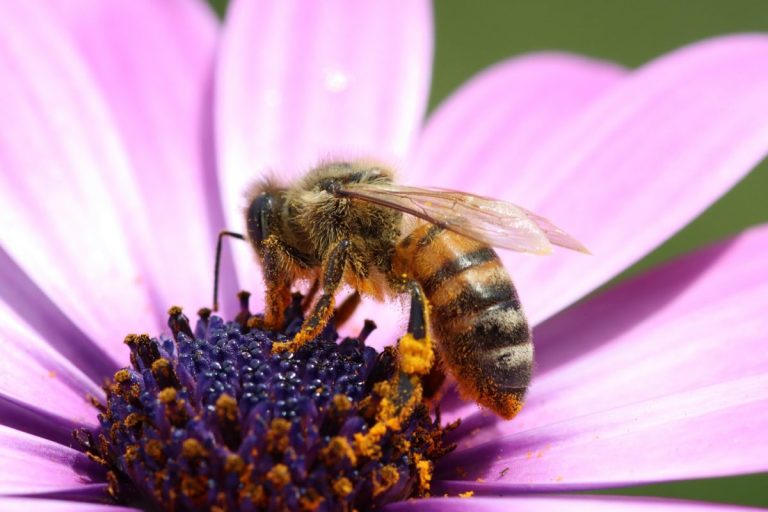
A peaceful yard in early spring rarely stays quiet for long once pollinators discover it. Bees buzz through the air, butterflies glide between blossoms, and the entire garden begins to pulse with life. The problem for many gardeners lies in timing. Pollinators wake up hungry after winter, yet many yards offer almost nothing to eat…
Why Your Garden Fence Could Be a Death Trap for Local Wildlife
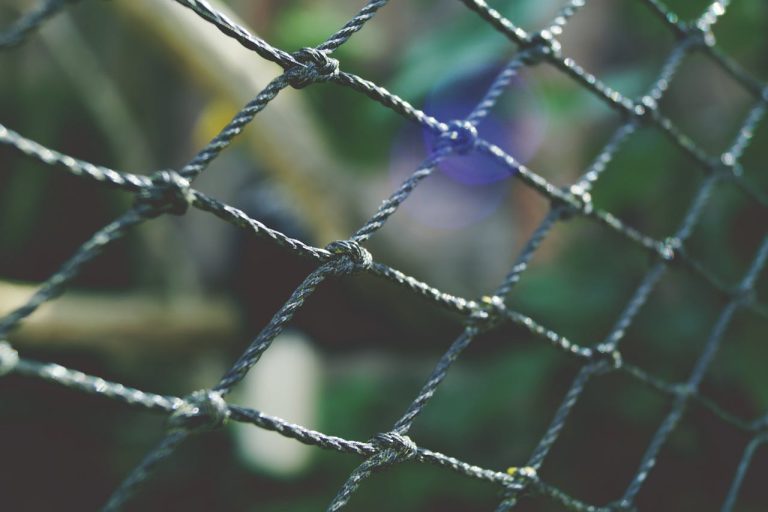
A fence looks like control. It tells the world where your space begins and ends. But to a fox, a hedgehog, or a deer moving through its nightly route, that fence can feel like a wall that suddenly blocks a path used for generations. In some cases, it does more than block. It traps, injures,…
5 Reasons Why Every Gardener Should Focus On Native Plants

If you’re trying to garden on a budget, the fastest wins usually come from doing less, not more. The smartest “less” is choosing plants that already know how to live where you live, without constant babysitting. That’s why native plants are such a frugal gardener’s cheat code: they can lower water use, reduce inputs, and…
Why Some States Are Now Paying Homeowners to Plant Native Wildflowers
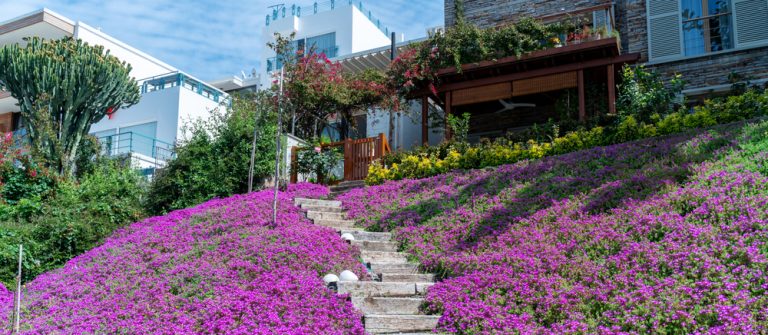
A few years ago, “planting for pollinators” sounded like a feel-good weekend project. Now, in some places, it can come with real money attached—rebates, cost-share grants, free coaching, or even discounted plants—because local governments are tired of paying for the same problems over and over. When a yard can soak up stormwater, reduce erosion, and…
10 Flowers That Attract Pollinators Without Extra Spending
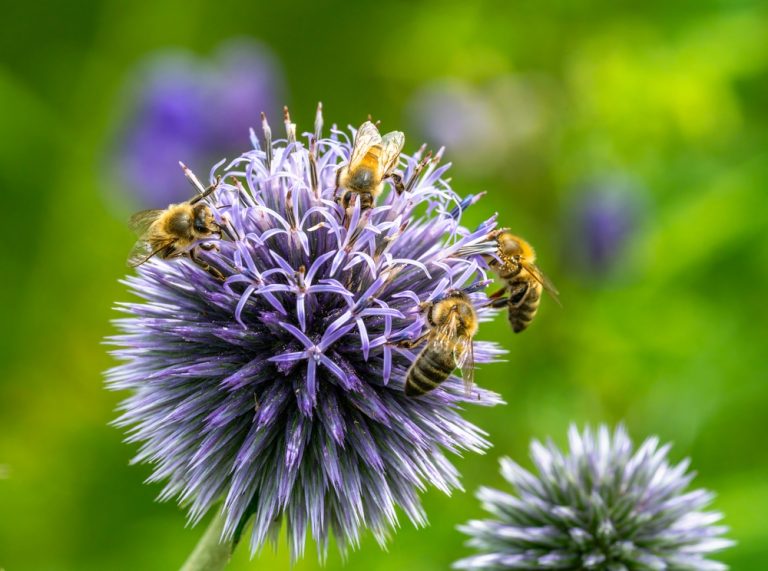
If you want more bees, butterflies, and helpful hoverflies in your yard, you don’t need a pricey “pollinator garden kit.” The cheapest wins usually come from plants that sprout easily, self-seed, or multiply so you can share them around the yard. Once a few dependable bloomers settle in, they’ll pull in visitors all season and…