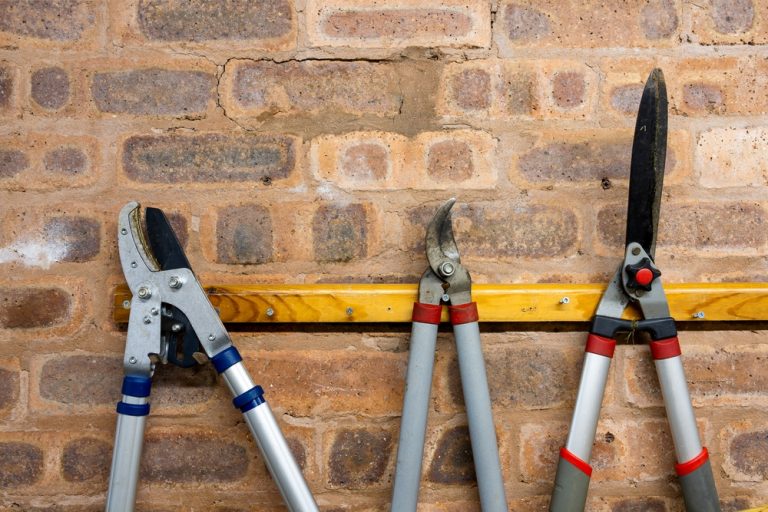
Garden season can trick you into thinking perfectly good supplies are objects that look ready for retirement. A muddy hand trowel, a slightly rusty pair of pruners, a half-full bag of potting mix, or a stack of dirty nursery pots can seem destined for the garbage, especially when the garden starts winding down. But “looks…
9 Things Gardeners Should Never Throw Away at the End of Summer
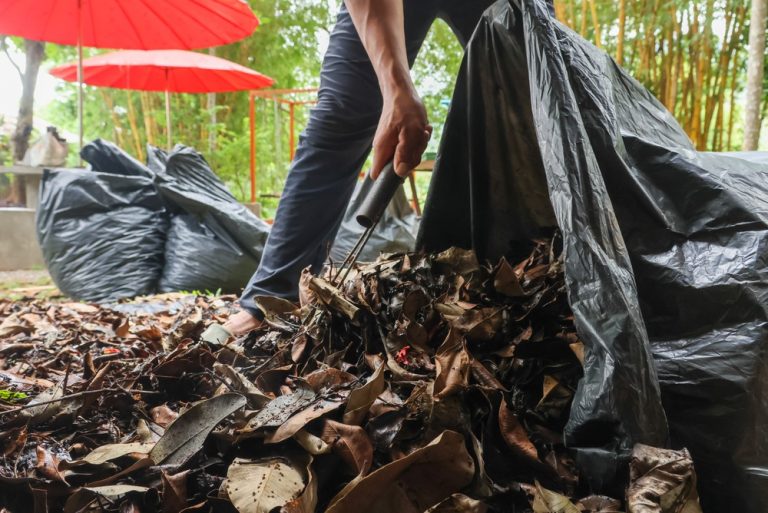
The end of summer can make a garden look like it has nothing left to offer. Spent plants, half-used seed packets, empty nursery pots, piles of leaves, and crooked tomato stakes can quickly resemble a collection of gardening junk, but much of that “junk” still has a job to do. A little sorting can save…
Some of the Best Garden Bargains of the Year Show Up After Summer Ends
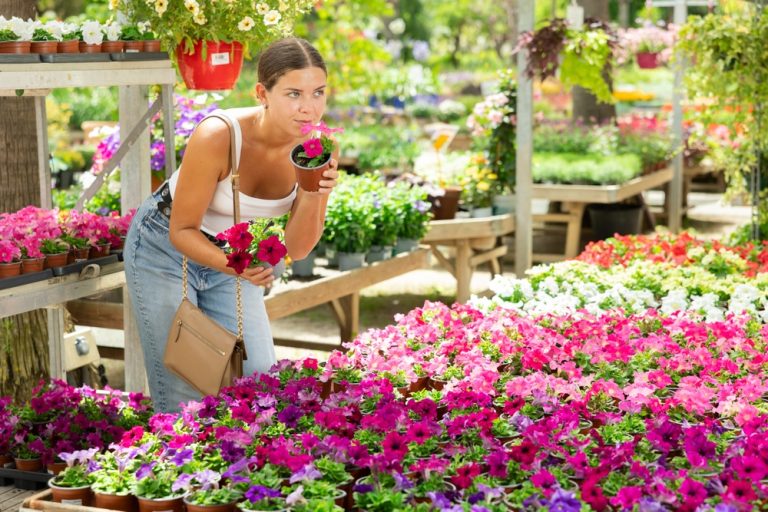
The calendar says summer is winding down, but garden-center bargain season is just getting interesting. Once the big rush for colorful annuals fades, many nurseries and garden centers start clearing space, which can create excellent opportunities to pick up plants and supplies for less. That does not mean every sad-looking plant in the clearance section…
8 Fall Garden Purchases That Are Usually Cheaper at the End of Summer
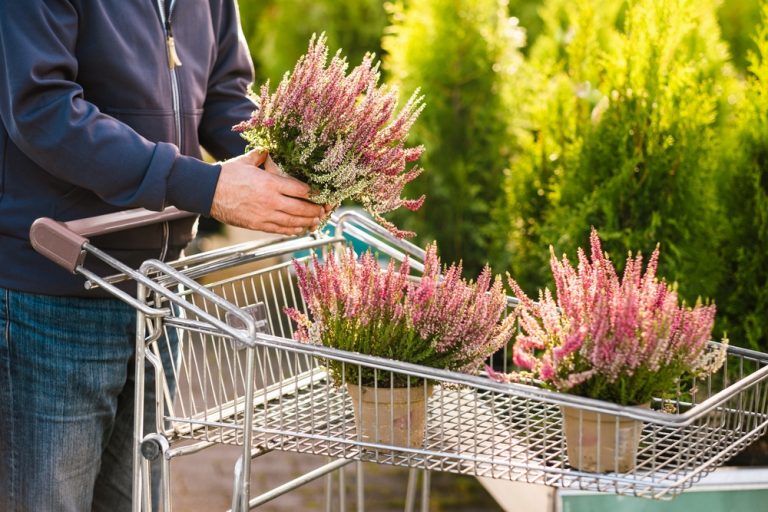
The calendar may still say summer, but garden centers are already thinking about fall. That shift can create one of the best shopping opportunities of the gardening year, especially for plants, pots, tools, and other seasonal supplies that stores would rather sell than store. A giant markdown sign can make almost anything look like a…
Is It Too Late to Plant Vegetables in September? Not in Many Parts of the Country
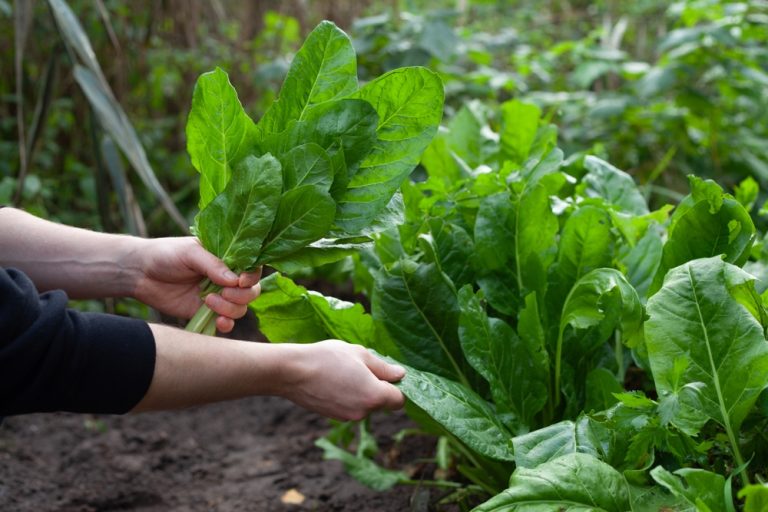
September gets an unfair reputation in the vegetable garden. The tomatoes may look tired, the cucumber vines may resemble tangled shoelaces, and the squash plants may have reached the stage where every leaf looks like it has seen some things. But that does not mean the garden has run out of useful work. In many…
10 Garden Expenses That Aren’t Worth Paying for in September
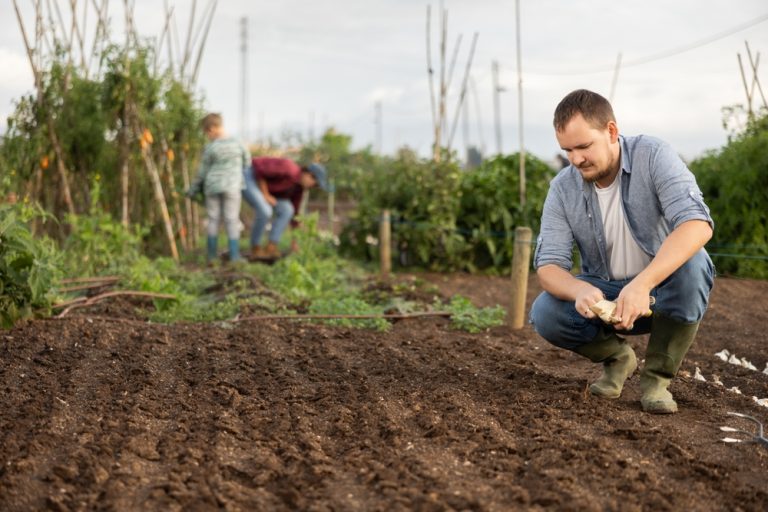
September can make gardeners spend their money on things the garden never asked for. Garden centers fill up with colorful plants, bags of mysterious amendments, shiny tools, and products promising to solve problems that might disappear on their own once cooler weather settles in. But September also gives gardeners a chance to save. A little…
Your Fall Garden Could Be Cheaper to Start Than Your Spring Garden
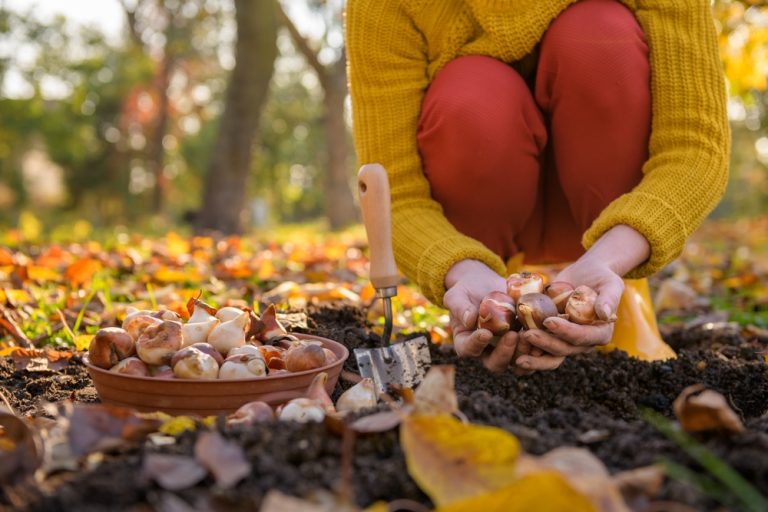
Spring gets all the gardening glory, but fall has a sneaky advantage: it can cost less to get growing. The season favors vegetables that handle cooler weather, many of which grow beautifully from inexpensive packets of seed rather than trays of pricey transplants, heat-loving plants, and all the gear that comes with them. That difference…
7 Garden Plants You Should Stop Fertilizing as Summer Ends
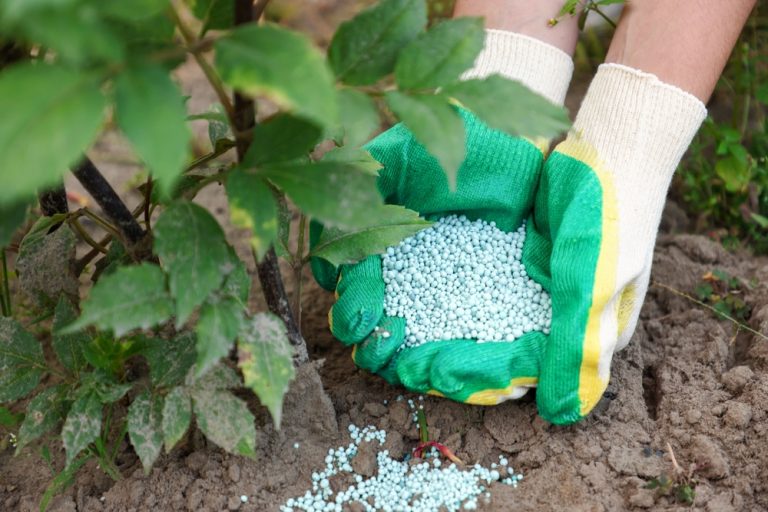
Fertilizer is like the garden equivalent of a helpful snack. A little boost seems harmless, especially when plants still look green and productive, but late-summer feeding can sometimes encourage exactly the kind of growth a plant does not need heading into cooler weather. For several common garden plants, August and early September mark the point…
Should You Keep Watering Your Garden the Same Way Once September Arrives?
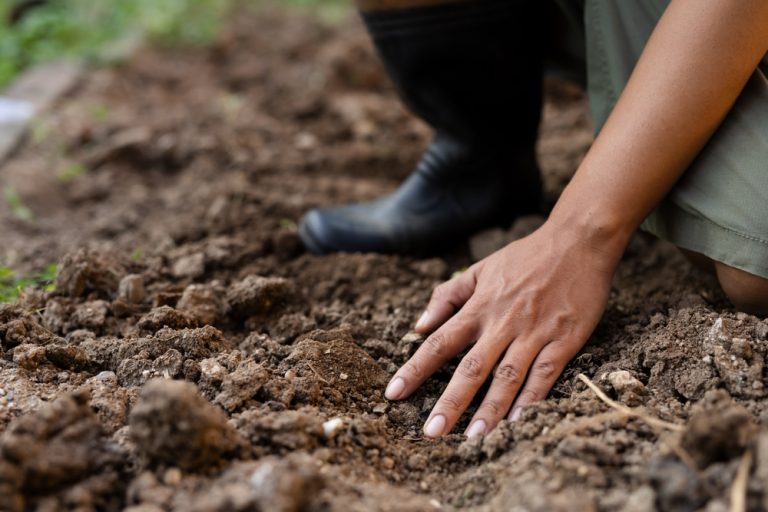
September can fool a gardener into watering the garden exactly as they did in July. The calendar says summer has nearly packed its bags, but the soil may still dry quickly on warm afternoons, especially around thirsty vegetables, newly planted perennials, and containers. As temperatures gradually cool and daylight shortens, plants generally lose water more…
9 Vegetables You Can Still Plant in September for a Fall Harvest
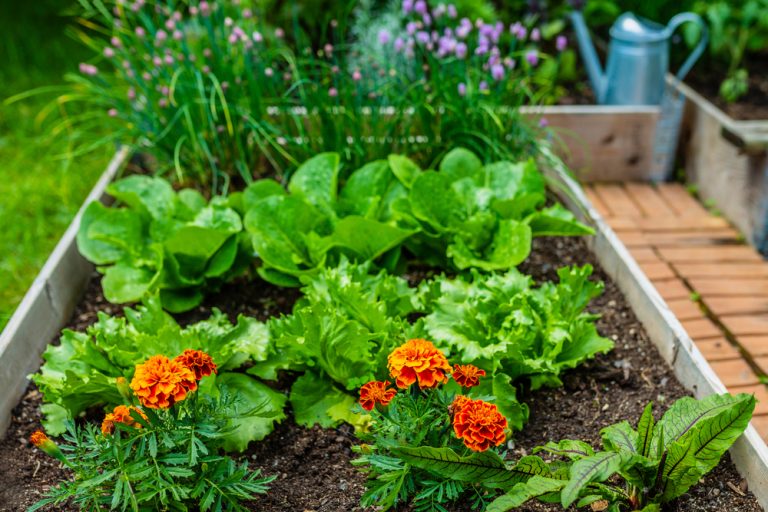
September does not mean the vegetable garden has packed its bags for the year. In many areas, gardeners can still plant a surprisingly good lineup of cool-season vegetables and harvest them before winter arrives. This involves choosing crops that handle cooler temperatures and matching planting dates to the local first frost date. Some vegetables grow…