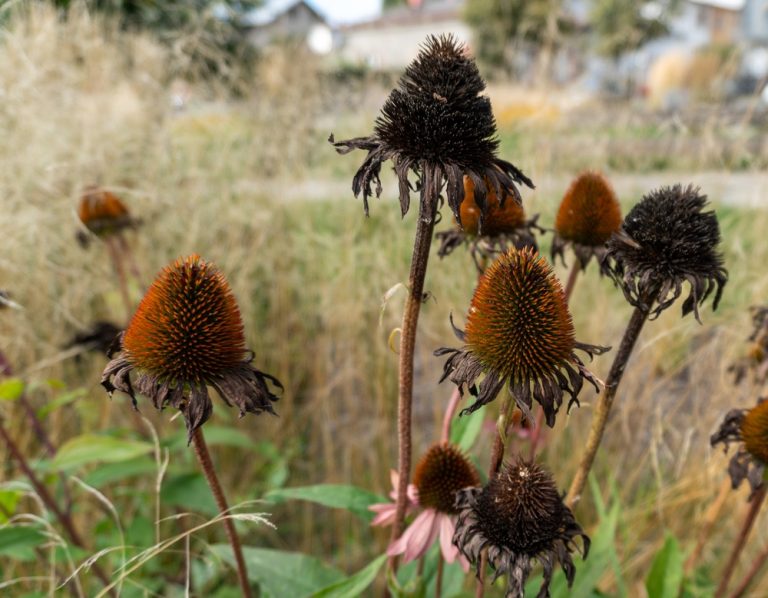
The flower may look finished, but the gardening value might not be finished at all. Those crispy brown flower heads hanging from your plants can contain perfectly good seeds that you can collect, store, and use to grow another round of flowers next year without buying another packet. Seed saving turns one season of flowers…
pollinator garden
Understanding Native Plants That May Lower Watering Needs Over Time
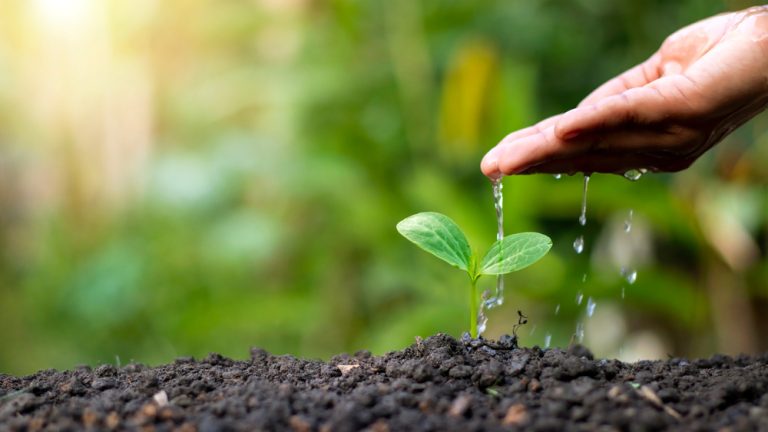
Native plants can make a noticeable difference in how much attention a landscape needs, especially once their roots settle into the soil. The trick lies in choosing species that naturally fit the local climate, soil, moisture patterns, and growing conditions rather than assuming every native plant behaves like a drought specialist. That distinction matters. A…
7 Ways to Make a Garden More Useful After Sunset
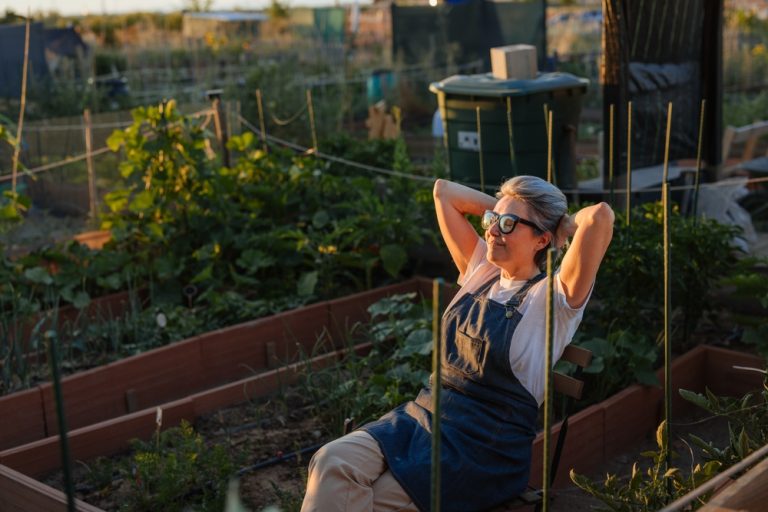
A garden does not have to clock out when the sun disappears. With a few smart additions, the same patch of soil that produces tomatoes, flowers, herbs, and leafy greens during the day can become a comfortable place to relax, entertain, cook, or simply enjoy the cooler evening air. The trick involves designing for nighttime…
7 Plants That Offer Seeds Birds Can Eat Through Fall
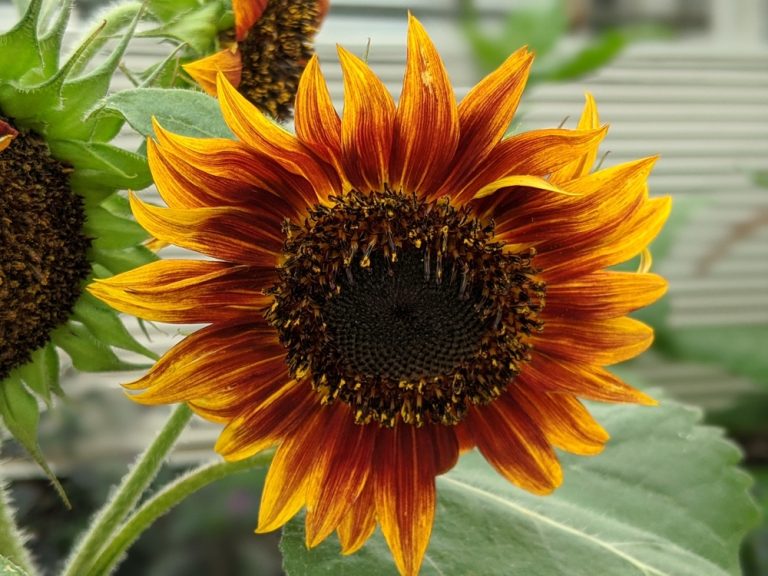
A garden can keep feeding birds long after the last bee disappears from the flowers, and the trick often involves doing absolutely nothing. Instead of cutting every faded bloom to the ground, gardeners can leave mature seedheads standing so finches, sparrows, chickadees, and other seed-eating birds can pick through them as fall progresses. Cornell Lab…
Why Are Gardeners Growing Borage for More Than Its Flowers?
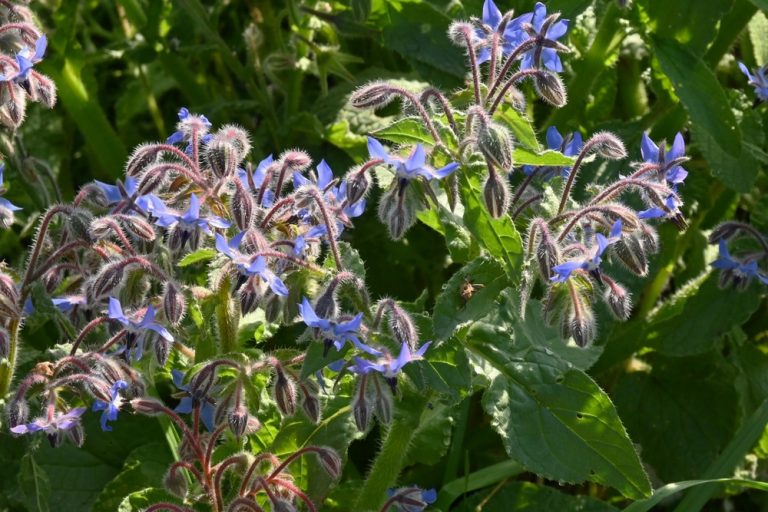
Borage earns plenty of attention for its star-shaped blue flowers, but gardeners have discovered that those pretty blossoms represent only part of the plant’s appeal. This old-fashioned herb can attract pollinating insects, add cucumber-like flavor to the kitchen, fill awkward garden spaces, and even reseed itself for another appearance next season. That makes borage, or…
Why Are Gardeners Adding Keystone Plants to Ordinary Backyards?
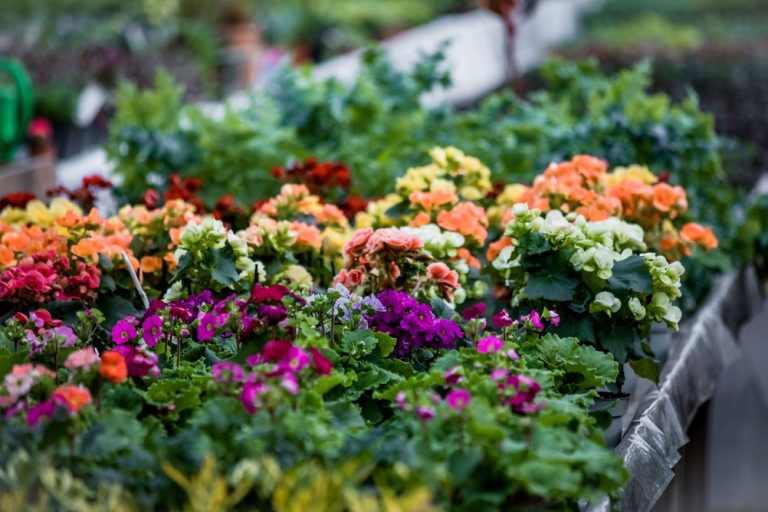
A quiet gardening revolution has taken root in ordinary backyards, and keystone plants sit at the center of it. These special native plants can turn a simple patch of grass, a flower bed, or a few containers into a welcoming stop for butterflies, birds, and beneficial insects. Gardeners add keystone plants because they offer more…
Why Are More Gardeners Designing Around Evening Use?
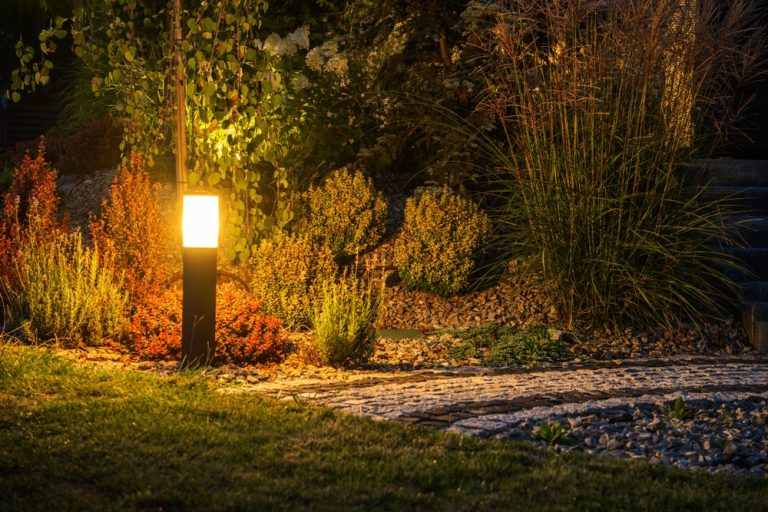
The modern garden no longer shuts down when the sun slips below the horizon. More homeowners now plan flower beds, patios, pathways, and plant choices around the hours after dinner, turning ordinary backyards into comfortable outdoor living spaces that stay inviting well into the evening. That shift makes perfect sense. Daytime often disappears into work,…
Why Are More Gardeners Choosing Plants With Multiple Uses?
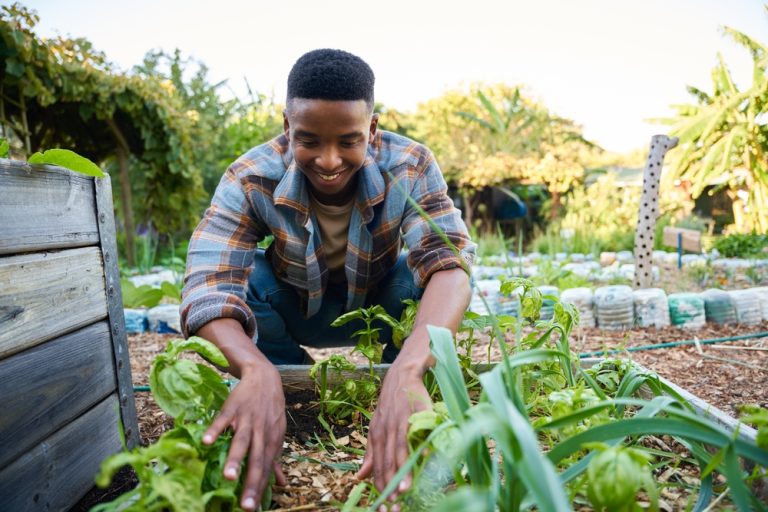
Gardens have started working a little harder these days. A single plant no longer earns praise just because it looks pretty. Many gardeners now look for varieties that can decorate a flower bed, flavor dinner, feed pollinators, and even help neighboring plants all at the same time. That shift has changed the way people shop…
Are Old-Fashioned Flowers Making a Comeback in Modern Gardens?
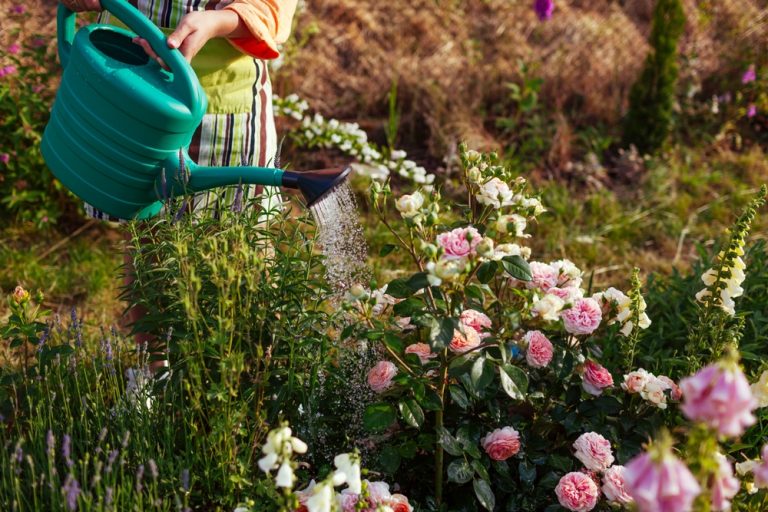
Old-fashioned flowers have stepped back into the spotlight, and today’s gardens look better because of it. Gardeners now hunt for fragrant blooms, rich colors, and timeless favorites that filled family gardens decades ago instead of chasing every flashy new hybrid that appears on store shelves. That shift makes perfect sense. Many classic flowers offer beautiful…
Are Self-Seeding Flowers a Smart Choice for Frugal Gardeners?
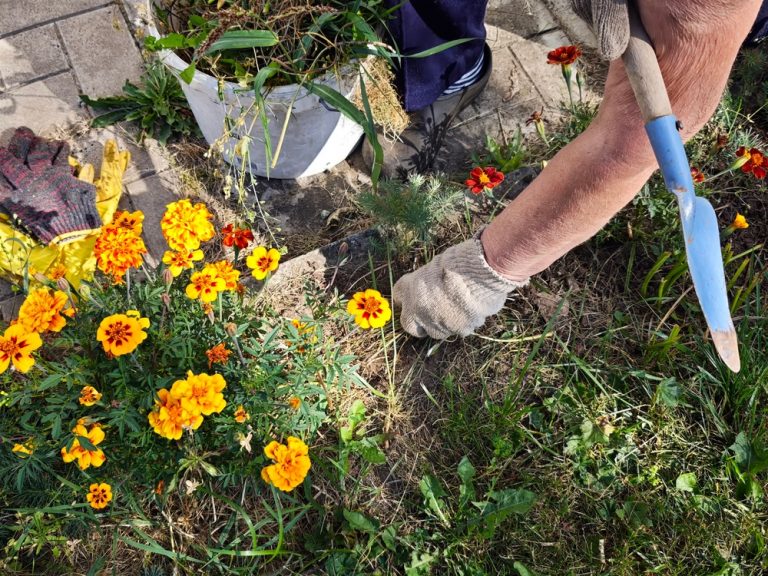
A packet of flower seeds can feel like a tiny investment with a surprisingly long return. Choose the right self-seeding flowers, let a few blooms finish their natural cycle, and next year’s garden may begin filling itself in without another trip to the garden center. That sounds like a frugal gardener’s dream, and sometimes it…